Advertisement
NTSA schools’ speed limit order: How to check if your speedometer is accurate
26th August, 2026 01:05 PM
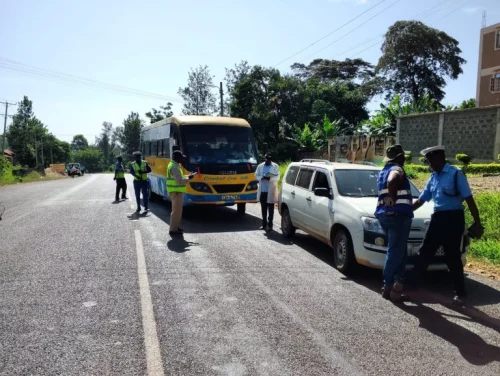
As schools reopen and traffic increases around learning institutions, motorists are being reminded to take extra care when driving near areas where children cross, walk, or board school transport.
The National Transport and Safety Authority (NTSA) has directed motorists to maintain a maximum speed of 30 km/h in school zones, saying the lower speed gives drivers more time to notice children, react to sudden movements and stop safely.
Why the speedometer matters
A driver may believe they are travelling at 30 km/h because that is what the dashboard shows, but the actual speed of the vehicle can sometimes be slightly different.
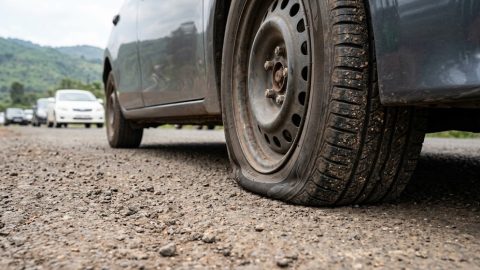
Speedometers can become inaccurate because of factors such as tyre size, tyre pressure, wear and changes made to a vehicle. This means drivers should not automatically assume that the figure displayed on the dashboard is perfectly accurate.
The easiest way to establish whether a speedometer is giving a reliable reading is to have the vehicle checked by a qualified mechanic or during a professional vehicle inspection.
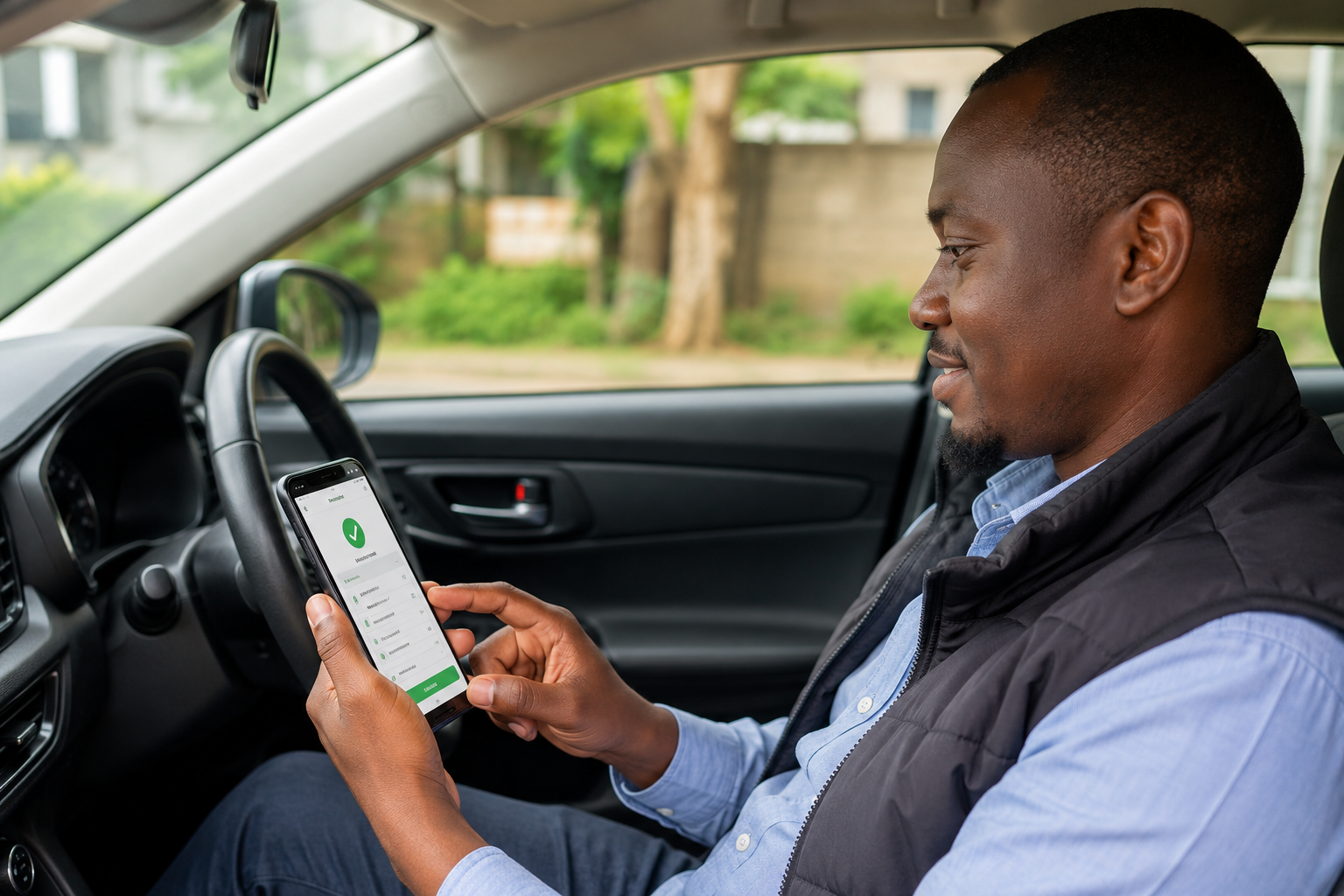
A driver can also compare the dashboard reading with a reliable GPS-based speed reading while travelling on a safe and open road. If there is a consistent difference between the two readings, the vehicle should be checked rather than relying on guesswork.
Check the tyres before checking the speed
Tyres can affect how a vehicle’s speed is measured. Changing the original tyre size or fitting tyres with a significantly different diameter can affect the relationship between wheel rotation and the speed displayed on the dashboard.
Motorists should therefore make sure the vehicle is fitted with the correct tyre size recommended for it and that the tyres are properly inflated.
A faulty speedometer should not be ignored, particularly for motorists who regularly drive through school zones. Knowing the exact speed becomes even more important when the difference between staying within the limit and exceeding it can be just a few kilometres per hour.
Do not rely on the dashboard alone
The new school-zone directive is not only about watching the speedometer. Drivers approaching schools should slow down early, remain alert and look out for children crossing or walking close to the road.
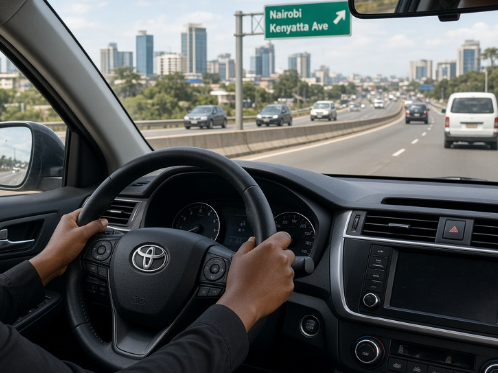
According to NTSA, lower speeds give motorists additional time to see a child, react and bring the vehicle to a stop. The authority has also continued to emphasise the importance of functional speed limiters for vehicles used to transport learners.
School transport vehicles are also expected to meet other safety requirements, including having valid inspection documents, insurance, properly maintained brakes and tyres, working lights and mirrors, and seat belts for children.
A simple check that can prevent a problem
Motorists who are unsure about their speedometer should have it inspected instead of trying to estimate its accuracy while driving.
This is particularly useful for drivers who have recently changed tyres, repaired the dashboard or noticed unusual readings from the speedometer.
With school traffic expected to remain busy, keeping the vehicle in good condition and respecting the 30 km/h school-zone limit can make the journey safer for both motorists and learners.