Advertisement
How to eat like a local in any African city you visit
08th May, 2026 02:20 PM
The hotel restaurant will not disappoint you, exactly. The eggs will arrive on time. The bread will be wrapped in a little cloth napkin.
But it will also cost three times too much, taste like it was made for nobody in particular, and leave you with the quiet, nagging feeling that the real city is happening somewhere just outside the window – and that you are missing it entirely.
It is. And you are.
Eating well while travelling in Africa is less about research and more about orientation.
Once you understand how food actually moves through an African city, who cooks it, where they sell it, and at what hour, the best meals become surprisingly easy to find.
Start at the market, always
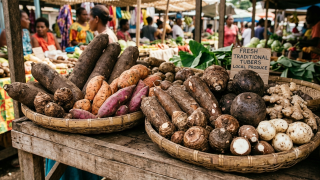
Every African city organises itself around at least one serious market, and that market will tell you more about local food culture in one morning than a week of restaurant menus ever could.
You are not going to the market to buy groceries. You are going to see what people are actually eating – which grains, which greens, which cuts of meat, which fruits are piled highest and cheapest.
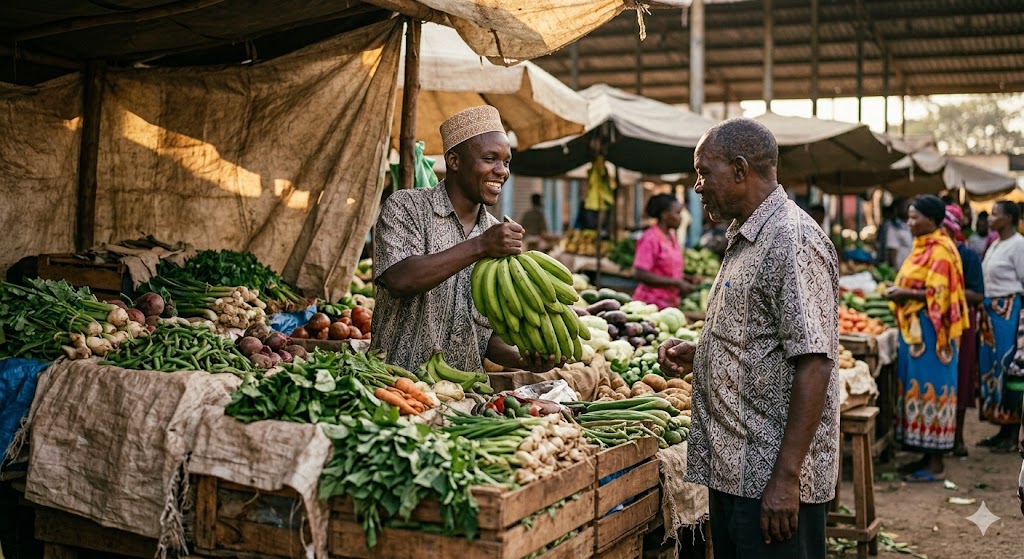
That produce tells you what belongs in the food here, and it gives you a mental map before you start ordering.
Follow the women cooking just outside the market gates.
They are feeding the traders, the porters and the hawkers, which means the food is fast, hot, filling, and priced for people who eat there every single day.
The kibanda method and tips from locals
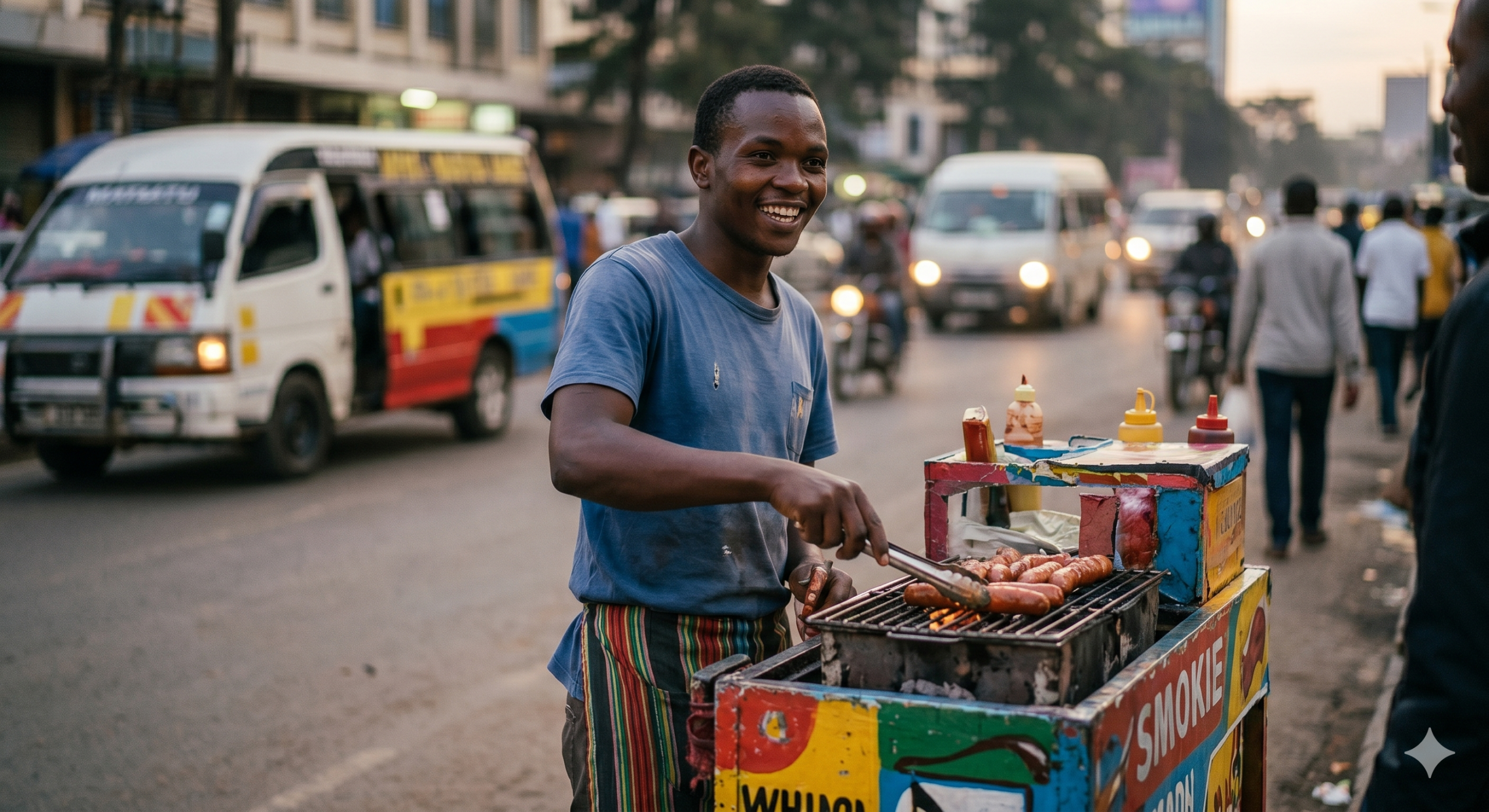
A kibanda (a small roadside food stall or simple eatery) is the basic unit of real eating across much of the continent, even where the word itself is not used.
In Dakar they might call it something else. In Addis Ababa too, and many other cities. But it exists.
What you are looking for is a small, permanent setup with a limited menu, a steady lunch crowd of office workers and bodaboda riders, and a proprietor who has clearly been doing this for years.
The tell is the plastic chairs. If the chairs are mismatched and many of them are already occupied by 12:30pm, sit down.
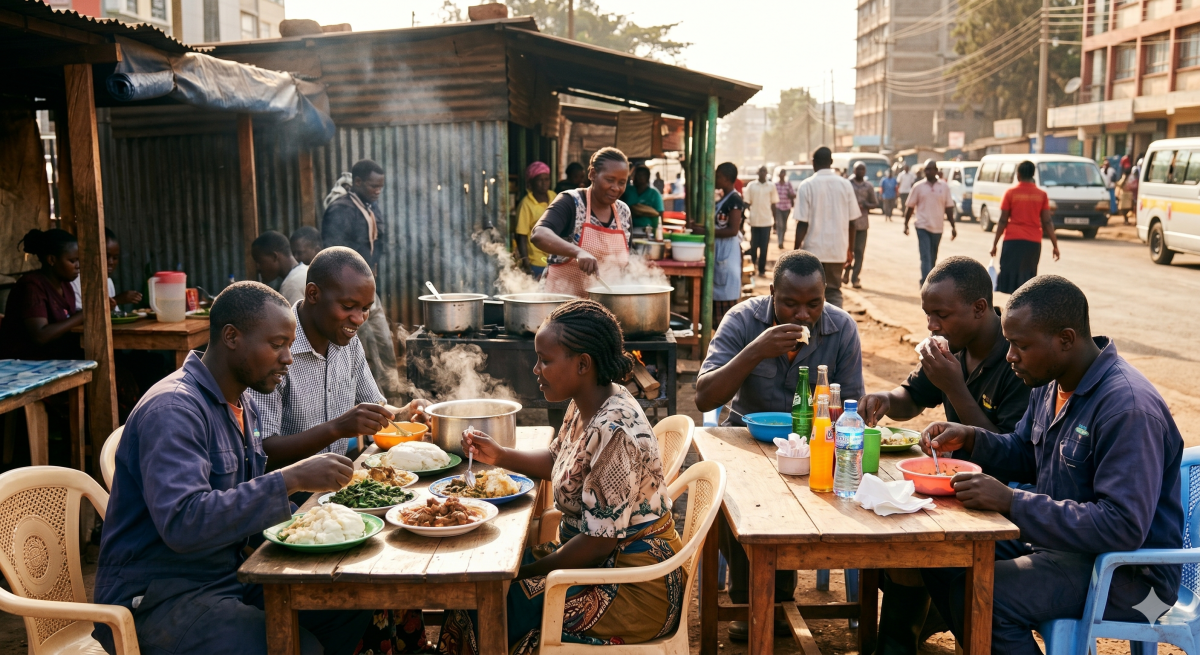
The other tool in your kit is simpler still: ask. Not the hotel concierge, who will send you somewhere with tablecloths and a tourist markup.
Ask the person at your accommodation’s front desk where they eat lunch.
Ask your taxi or ride-hailing driver where their mother’s cooking reminds them of. Ask a market trader what they ate for breakfast that morning.
Locals do not recommend bad food to strangers; it reflects on them.
The answer you get will rarely be a restaurant with a name and a Google Maps pin. It will be directions. “Turn left at the blue wall. Look for the woman with the green umbrella.”
Follow those directions. That is almost always where the meal is.