Advertisement
Beyond the title fight: Kenyan boxing still battles for survival
23rd June, 2026 05:48 PM

As Kenya’s Joshua Wasike prepares to face Zambia’s Antony Banda for the Commonwealth cruiserweight title on Friday, June 26, 2026, attention is firmly fixed on what promises to be one of the biggest professional boxing contests staged in the country in recent years, amid amateur events that have taken over the ring by storm in recent days.
Yet beyond the excitement surrounding the bout lies a bigger story the struggle for survival and growth of professional boxing in Kenya.
For decades, boxing has produced some of Kenya’s most celebrated sporting figures. From the glory days of Philip Waruinge and Robert Wangila to a new generation of fighters seeking international recognition, the sport has consistently generated talent despite operating with limited resources.
Unlike football, athletics and rugby, boxing has often existed on the margins of corporate sponsorship and public attention. Many professional fighters train under difficult conditions, earn inconsistent incomes and face uncertain futures once their careers come to an end.
Struggling sustainability
While Kenya continues to produce boxers capable of competing at continental and international levels, experts say the absence of strong commercial structures has slowed the sport’s development.
Professional boxing relies heavily on regular competitions, athlete support systems, television exposure and investment. Without these elements, promising fighters frequently struggle to build careers capable of supporting them financially.
The upcoming Commonwealth title fight reflects both the progress and limitations of the local boxing industry. On one hand, hosting a championship contest featuring regional champions demonstrates Kenya’s ability to organise high-profile professional events. On the other, such occasions remain relatively rare compared to more established boxing nations.
Joshua Wasike enters the fight carrying significant expectations. The reigning East and Central African champion has steadily built a reputation as one of Kenya’s leading professional fighters. Victory against the experienced Banda would not only enhance his own career prospects but could also raise Kenya’s profile within international boxing circles.
For local fans, the fight represents an opportunity to showcase Kenyan talent on a larger stage.
However, industry stakeholders argue that one successful event alone cannot transform the sport.
Future of boxing
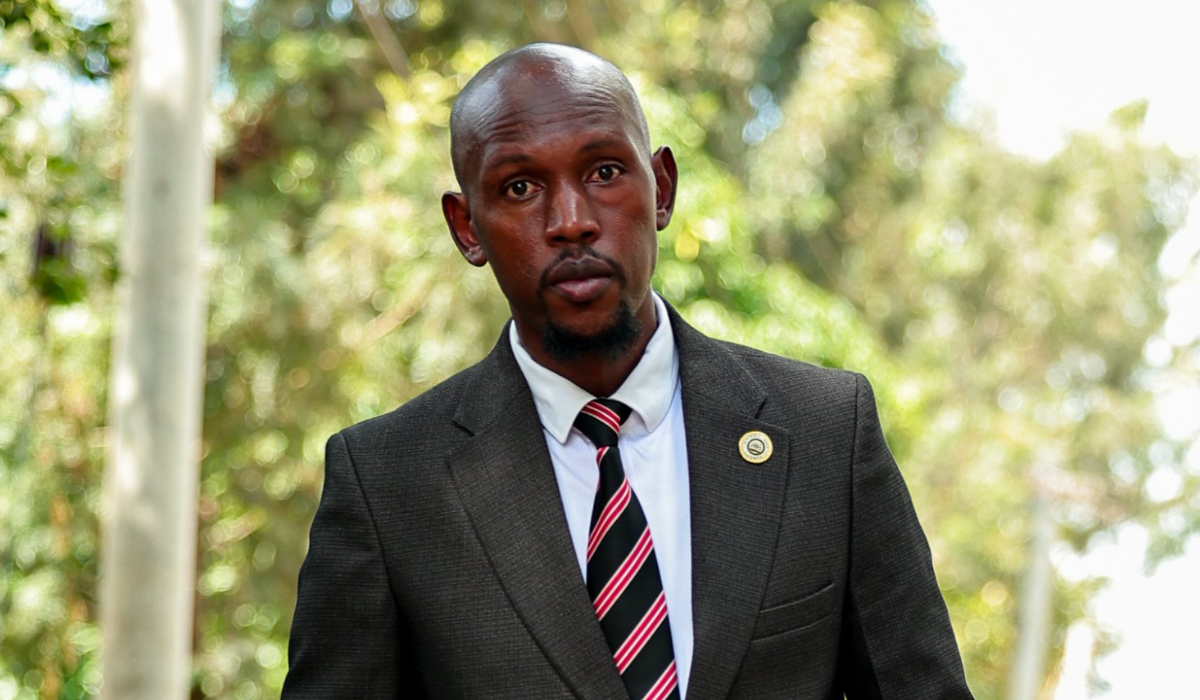
According to Marvin Obuya, Head of Boxing at Kalakoda Promotions, the future of boxing depends on creating opportunities for athletes beyond individual contests.
“We are thrilled to have Empire FX on board as a partner. Their support will not only enhance the experience for our fighters but also help us reach a broader audience. Together, we can elevate the sport of boxing in Kenya and inspire the next generation of athletes,” he said.
His remarks reflect a broader concern within the industry: attracting and retaining young talent.
Many aspiring boxers face difficult choices between pursuing the sport and seeking more stable sources of income. Without adequate financial support, some abandon promising careers before reaching their full potential.

Sports analysts note that Kenya’s boxing sector also suffers from limited media coverage compared to other sports. As a result, many athletes struggle to build personal brands capable of attracting sponsors and generating commercial opportunities. The situation contrasts sharply with athletics, where elite performers benefit from established sponsorship structures and international visibility.
Signs of change
Recent years have seen increased efforts by promoters to organise professional fight nights and attract wider audiences. Social media has also provided fighters with new platforms to engage supporters and market themselves directly.
These developments have helped generate renewed interest in the sport, particularly among younger audiences.
For boxing to achieve sustainable growth, however, experts say investment must extend beyond headline events. Training facilities, athlete welfare programmes, youth development initiatives and financial literacy support remain critical areas requiring attention.
The Wasike-Banda showdown therefore represents more than a title fight. It serves as a reminder of both the potential and the challenges facing Kenyan boxing.
As fighters step into the ring on Friday night, they will compete for victory, rankings and championship honours. But the sport itself is engaged in a different contest, one aimed at securing the resources, recognition and support needed to thrive in an increasingly competitive sporting landscape.
Whether Kenyan boxing can win that fight remains to be seen. What is certain is that the journey will require far more than a single championship bout.
This comes even as media personality Oga Obinna continues to give rookie bookers a platform to showcase their talents amid increased scrutiny.