Advertisement
How to drink water properly
10th May, 2026 10:50 PM
Water is one of the simplest things the human body needs, yet many people consume it the wrong way.
Some wait until they feel extremely thirsty, while others quickly finish an entire bottle within minutes believing it is healthier.
In reality, how you drink water matters almost as much as the amount you drink.
The body functions best when hydration happens gradually and consistently throughout the day.
Why body needs hydration
Blood is made largely of water. It transports oxygen, nutrients, hormones, and minerals to every part of the body.
When water enters the system slowly, the body gets enough time to absorb and distribute it properly through the bloodstream and tissues.
This process supports:
- Better circulation
- Stable body temperature
- Healthy digestion
- Improved brain function
- Proper kidney activity
Small amounts taken regularly allow the body to maintain balance naturally instead of struggling with sudden overload.
Problem with drinking water too much
Many people finish a large bottle of water within five or ten minutes, especially after exercise or long hours without drinking.
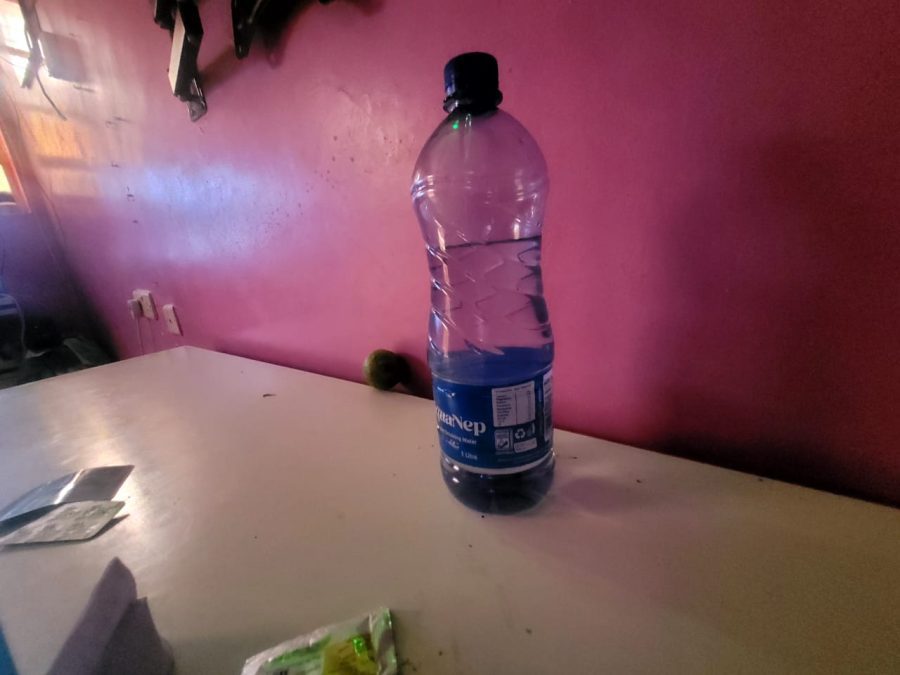
While this may temporarily reduce thirst, much of the water may pass through the body too quickly before being fully utilized.
The kidneys can only process a certain amount of water efficiently within a short time. Excess water is often rapidly removed through urine.
This is why drinking huge amounts at once may not provide lasting hydration.
Why fast water intake can be risky
Taking excessive water too quickly can dilute important minerals in the bloodstream, especially sodium.
In rare but serious situations, this imbalance may affect muscle function, energy levels, and even brain activity.
Some people may experience:
- Bloating
- Nausea
- Frequent urination
- Headaches
- Temporary discomfort
Athletes and people working under intense heat should also avoid extreme water loading without replacing electrolytes.
The best way to drink water
The body responds better to rhythm and consistency. Instead of flooding the stomach occasionally, hydration should flow gently across the day.
Helpful habits include:
- Drinking small to moderate amounts every one or two hours
- Taking water before feeling intense thirst
- Sipping slowly rather than swallowing large amounts rapidly
- Increasing intake gradually during hot weather or exercise
- Drinking water alongside balanced meals
Morning hydration is also important because the body loses water during sleep through breathing and sweating.
Does clear urine mean perfect hydration?
Not always. Extremely clear urine throughout the day may sometimes suggest overhydration. Healthy hydration often produces light yellow urine rather than completely transparent urine all the time.
The goal is balance, not excess.
Conclusion
Water supports nearly every system inside the body, from the brain and heart to muscles and skin.
But hydration works best when it moves in a calm, steady pattern rather than sudden extremes.
The body was designed to absorb and use water gradually. Slow, consistent intake allows blood circulation, organs, and cells to work smoothly and efficiently throughout the day.
Sometimes, the healthiest habits are not about doing more, but about allowing the body to move naturally in its own quiet rhythm.