Advertisement
How to make your home work for your chronotype
08th June, 2026 03:58 PM
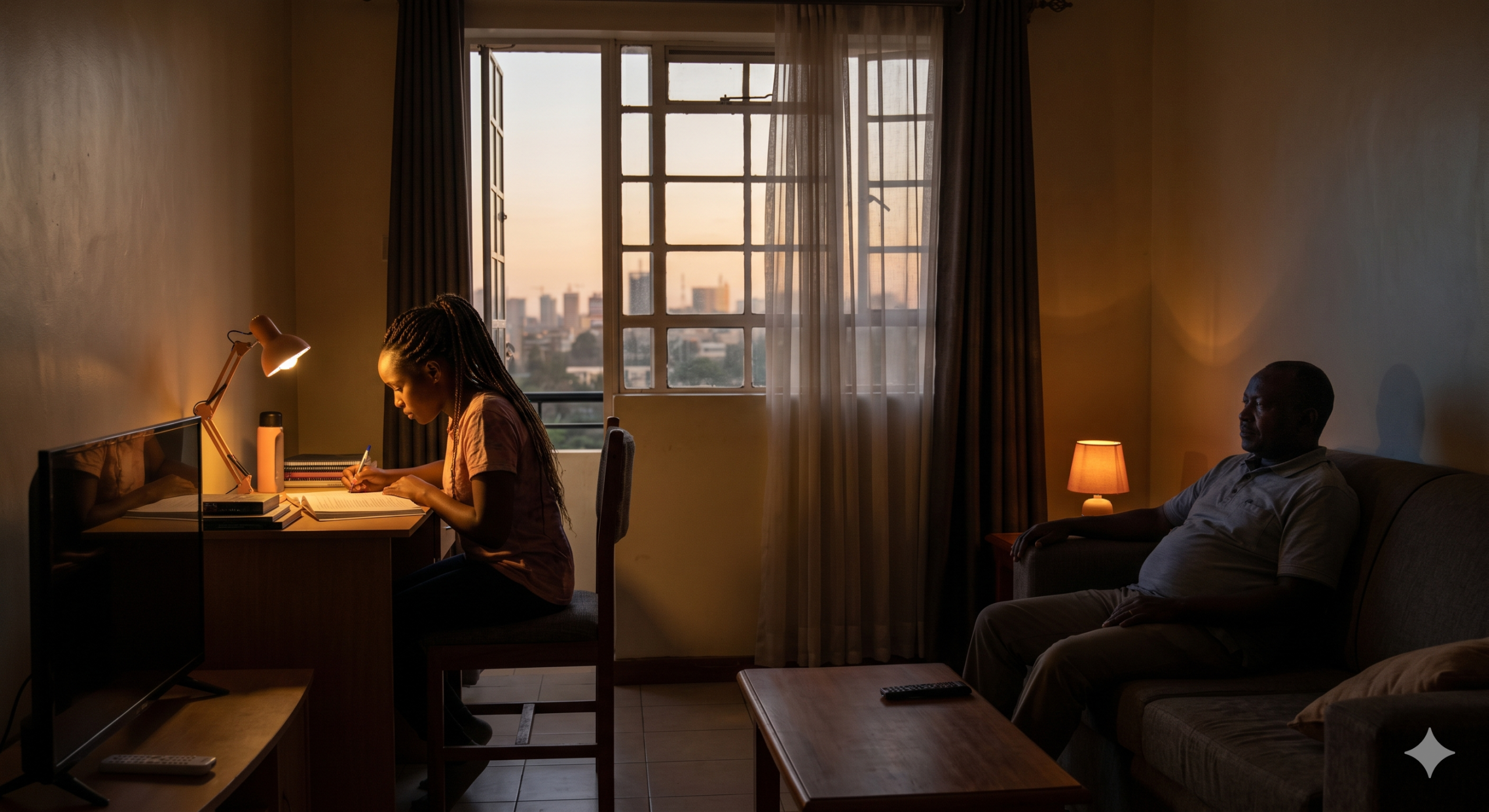
Not everyone in your household wakes up to the same internal alarm. One person is up at 5 a.m. feeling sharp; another does not hit their stride until well after noon.
This isn’t laziness or lack of discipline – it is chronotype, the biological wiring that determines when your body naturally wants to sleep and wake up.
In a typical Nairobi household, where a parent leaving for an early morning commute shares a flat with a student who studies late or a freelancer whose best work happens at midnight, different chronotypes under one roof can quietly create daily friction.
The good news is that your home environment can do a lot of the heavy lifting. A few deliberate adjustments to light, sound, and space go a long way.
Sort out the lighting first
Light is the most powerful signal your body clock responds to, and it works differently depending on your type.
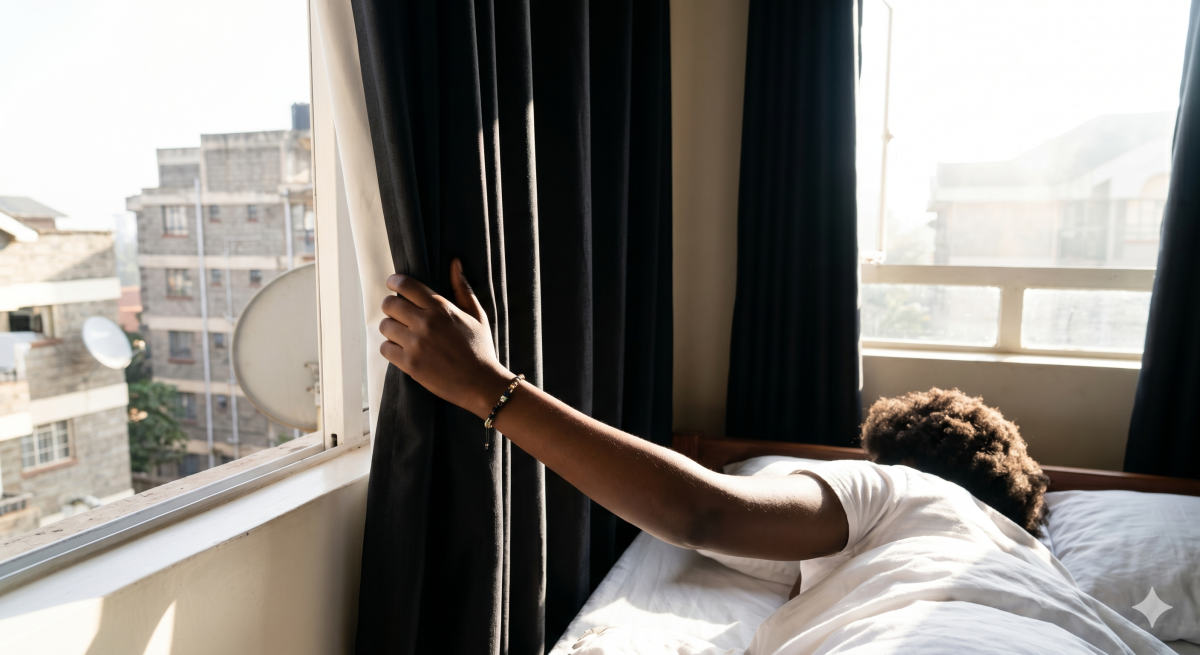
For natural night owls who need to be functional in the morning (for a 7 a.m. start at the office, say), the priority is bright light exposure as early as possible.
Open curtains fully the moment you wake up, or position your breakfast spot near a window.
Research published in PLOS ONE confirms why this matters: scientists found that spending time in dim indoor conditions “not only results in a later phase of their biological clock but also increases interindividual differences in circadian phase angle of entrainment and preferred sleep timing.”
In other words, low-light environments push night owls even later. Bright morning light nudges the clock earlier.
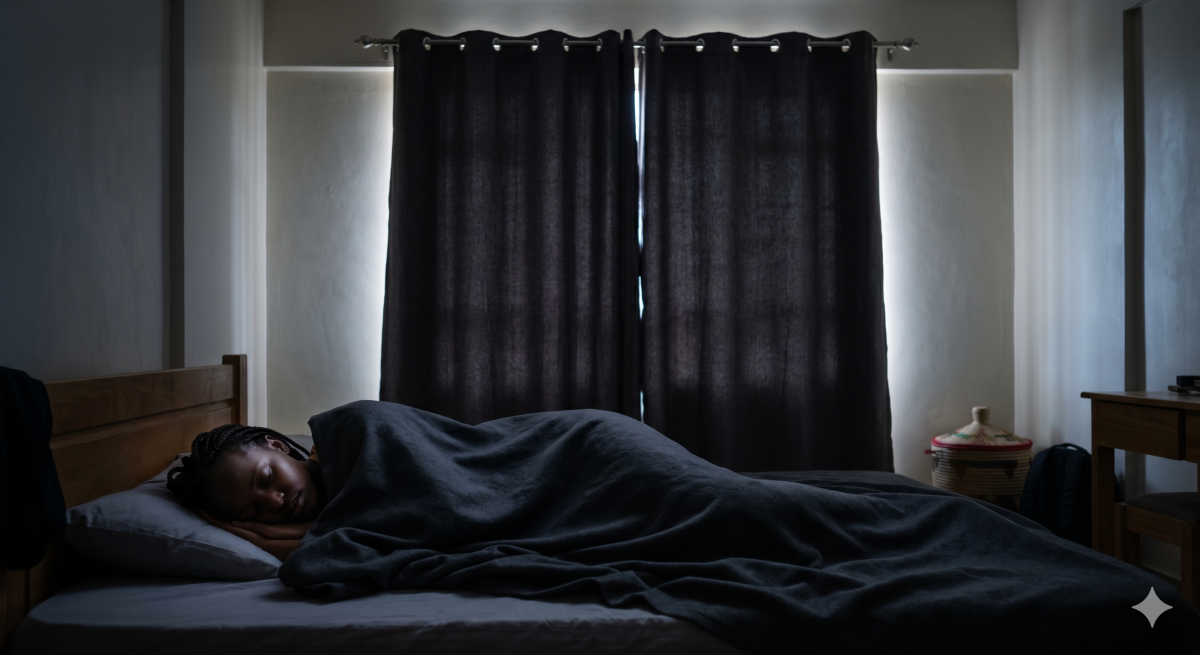
For early risers sharing a bedroom with a late sleeper, blackout curtains are worth the investment. They let the night owl sleep past sunrise without the early bird having to tiptoe around darkness.
In the evening, the night owl benefits from warm, dim lighting. Swap out bright white LEDs in the sitting room for warm-toned bulbs or a side lamp, and keep screens away at least an hour before their actual intended bedtime.
Manage sound and the kitchen
Sound is the other major variable.
The early riser making tea at 5:30 a.m. does not have to be loud: a quiet electric kettle, organising frequently used items at the front of the cupboard so there is no clattering around, and closing the kitchen door if the layout allows it all reduce disruption for anyone still sleeping.
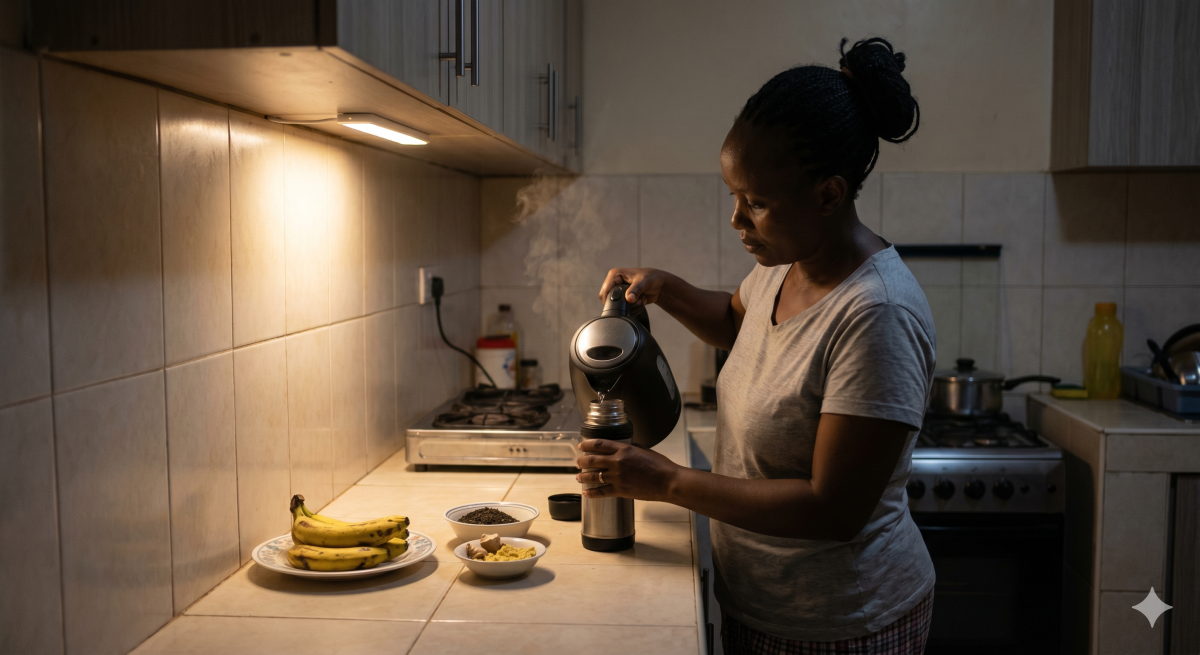
On kitchen timing, households with genuinely different chronotypes often eat at different times, and that is fine.
Stock grab-and-go breakfast options (fruits, groundnuts, pre-cut vegetables) that the early riser can access without cooking, while the night owl eats their main meal later.
Keeping the kitchen neutral and prepped for both schedules removes the small daily negotiations that add up to real irritation over time.
Your home cannot change your biology. But it can stop fighting it.