Advertisement
How to make a small affordable housing unit look twice as big
11th June, 2026 02:53 PM
As more Kenyans explore affordable housing opportunities, one concern often comes up: space.
While affordable housing units are designed to maximise functionality and keep homeownership within reach for more people, many first-time homeowners worry that their living spaces may feel too small.
The good news is that a compact home does not have to feel cramped.
Interior designers and real estate experts agree that a few strategic changes can make a small affordable housing unit feel significantly larger, brighter and more comfortable without requiring a major renovation.
Let natural light do the work
One of the fastest ways to make any room appear larger is to increase natural light.
Heavy curtains can make a room feel closed off, while sheer curtains or light-colored blinds allow more sunlight to enter.
Natural light helps eliminate dark corners and creates the illusion of a bigger space.
For affordable housing homeowners, maximising existing windows can make a noticeable difference without spending a lot of money.
Choose lighter paint colours
Colour plays a major role in how large a room feels.
Light shades such as white, cream, beige and soft grey reflect more light, making walls appear farther apart.
Dark colours, while stylish, tend to absorb light and can make a room feel smaller.
A fresh coat of paint is often one of the most cost-effective upgrades homeowners can make in an affordable housing unit.
Invest in multifunctional furniture
Space is valuable in any home, especially in smaller apartments and affordable housing developments.
Furniture that serves more than one purpose can help reduce clutter and free up valuable floor space.
Examples include beds with built-in storage, foldable dining tables, storage ottomans and sofa beds.
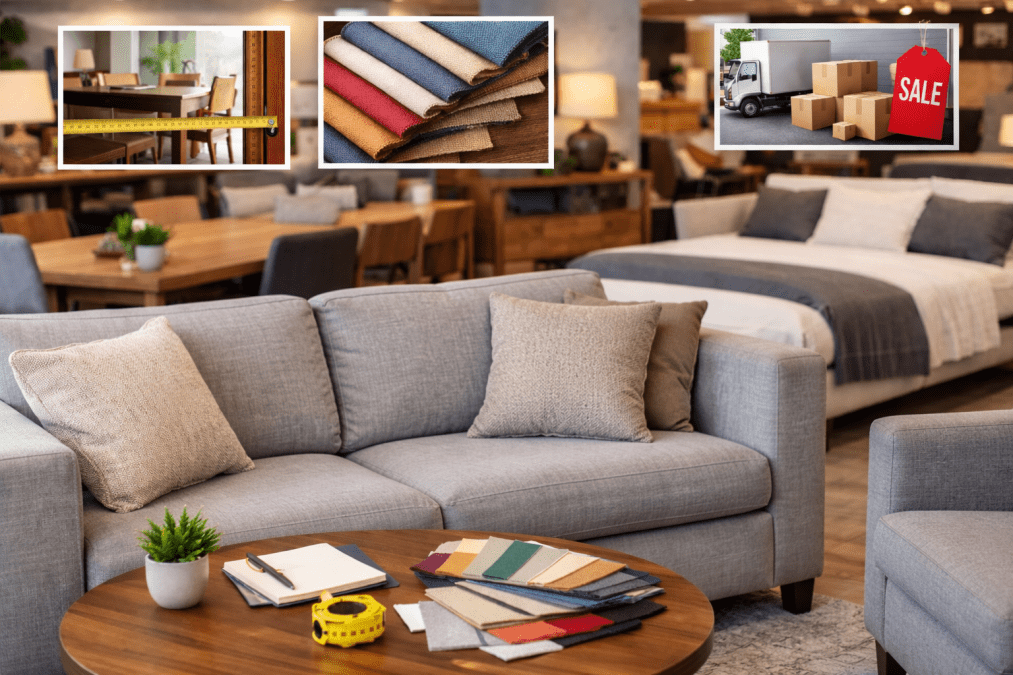
Before purchasing furniture, homeowners should measure rooms carefully to avoid overcrowding their living areas.
Use mirrors strategically
Mirrors are a classic design trick for making rooms appear larger.
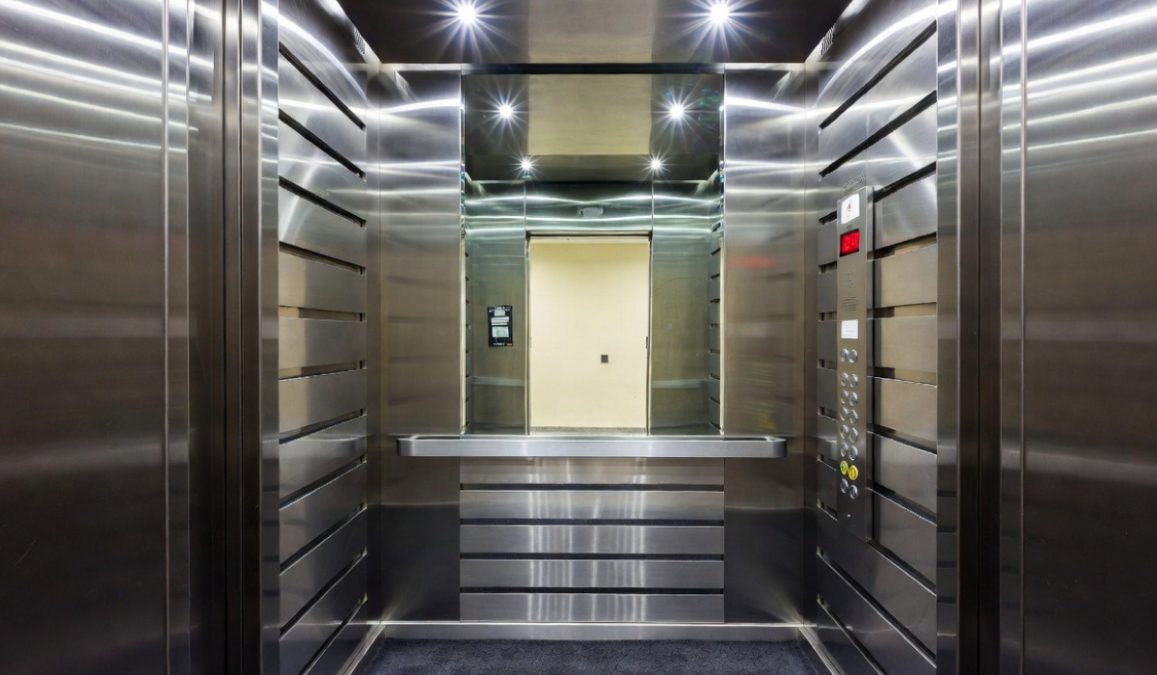
When positioned opposite a window, a mirror reflects both light and views, creating the impression of additional space.
Large mirrors can be particularly effective in living rooms, bedrooms and hallways.
For homeowners looking to improve their affordable housing units on a budget, mirrors offer one of the highest visual returns for the money spent.
Declutter and simplify
Many homes feel smaller not because of their size, but because they contain too many items.
Removing unnecessary furniture, decorations and household items can instantly make a room feel more open.
Experts recommend keeping surfaces clear and using hidden storage wherever possible.
A minimalist approach is particularly effective in affordable housing units, where every square metre matters.
Think vertically
When floor space is limited, homeowners should make use of wall space.
Floating shelves, wall-mounted cabinets and vertical storage systems help keep items organised without taking up valuable room on the floor.
Vertical design not only improves storage but also draws the eye upward, making ceilings appear higher and rooms feel larger.
Keep furniture off the walls
Many people assume pushing furniture against the wall creates more space.
In reality, leaving a small gap between furniture and walls can create depth and improve the flow of a room.
This simple design technique often makes living spaces feel less crowded and more inviting.
Choose the right-sized furniture
Bigger is not always better.
A large sectional sofa may look impressive in a showroom but can overwhelm a smaller living room.
Instead, homeowners should select furniture that matches the scale of the space.
Real estate professionals often note that well-proportioned rooms tend to feel larger and more comfortable than rooms filled with oversized furniture.
Create visual continuity
Consistent flooring and colour schemes help rooms feel connected.
Using similar colours throughout an affordable housing unit can reduce visual interruptions and create a seamless look.
This design approach encourages the eye to move naturally through the home, making the overall space appear larger.