Advertisement
Hii imeenda kabisa! How rising fuel prices affect long-distance relationships
15th May, 2026 07:10 AM

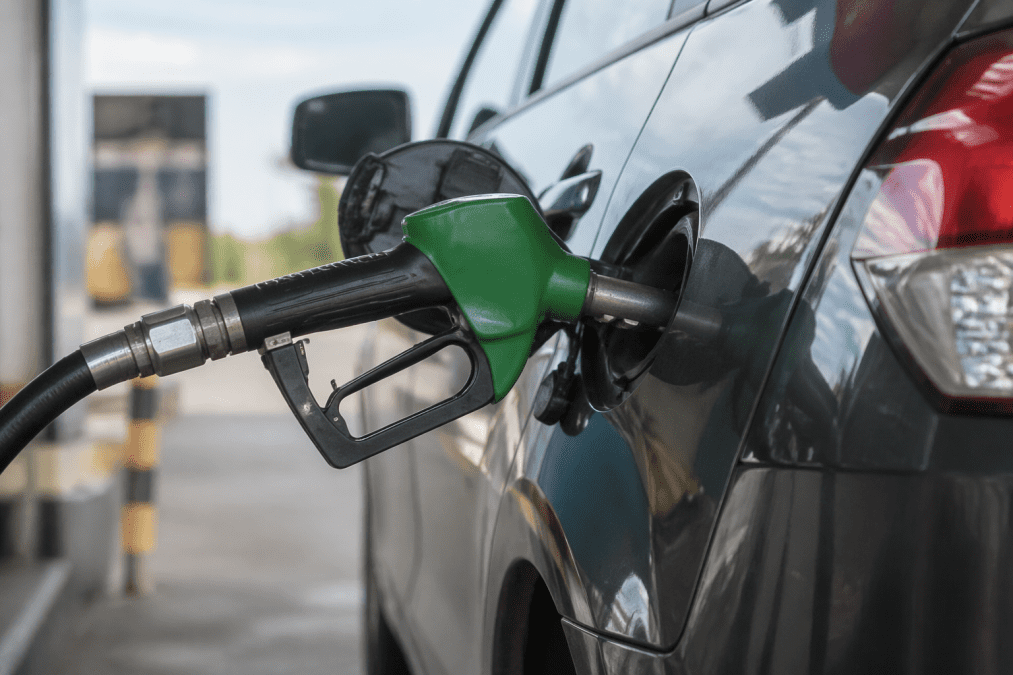
Fuel price increases announced by the Energy and Petroleum Regulatory Authority (EPRA) often feel like a transport issue, but the ripple effect goes far beyond the pump.
For instance, where long-distance relationships rely heavily on buses, matatus, and lorries powered mainly by diesel, even a small hike in fuel costs quietly changes how couples connect, visit, and maintain trust.
Rising fares are making visits less frequent
Diesel is the backbone of long-distance transport. When its price increases by even a few shillings, transport operators adjust fares almost immediately.
A Ksh 46 rise in diesel may seem like a technical update, but on the ground, it translates into higher bus fares between towns and cities.
For couples living apart, this means fewer visits. What used to be a monthly trip becomes a carefully planned journey.
Some partners start postponing travel, waiting for “better times” that rarely come.
Over time, reduced physical connection can create emotional distance, especially when communication is not strong.
Budget pressure changes how couples communicate
Higher fuel prices do not just affect transport. They affect everything linked to energy costs.
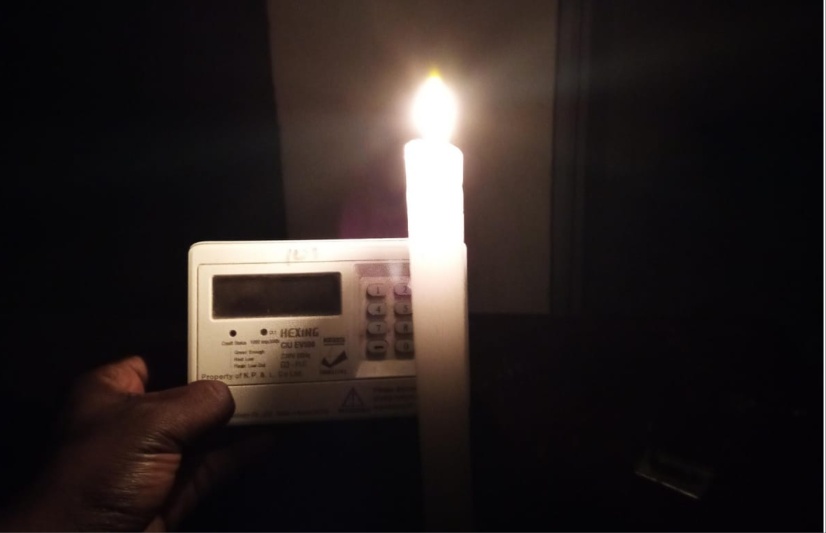
Electricity tokens and monthly bills often rise indirectly because diesel is also used in power generation and logistics.
When electricity becomes more expensive, households adjust by reducing usage. In some homes, lights are switched off earlier or power usage is rationed.
For long-distance couples relying on video calls, late-night conversations, or regular charging of devices, this becomes a challenge.
A missed call due to a dead phone or unstable electricity may look small, but repeated over time, it can create misunderstandings.
Trust issues grow when communication reduces
Long-distance relationships rely heavily on consistency. When fuel prices rise and travel becomes expensive, communication patterns change. Calls become shorter, messages are delayed, and visits are less frequent.
This gap often creates room for suspicion. One partner may start questioning why calls are missed or why responses are slow.

In some cases, unstable electricity supply or load shedding makes it harder to stay online, but without context, the other partner may interpret silence differently.
Trust issues rarely begin with big events. They often grow from small, repeated gaps in communication, which rising fuel and energy costs can unintentionally create.
Emotional strain from financial pressure
Fuel price increases also affect personal budgets. When transport costs rise, individuals often reduce spending in other areas such as leisure, gifts, or planned visits.
This can make relationships feel less “alive” because shared experiences become fewer.
Some couples start prioritising basic survival costs over relationship expenses like travel or dates.
Over time, emotional strain builds as partners try to balance love with financial pressure.
Electricity costs and the hidden relationship gap
Fuel not only affects transport. It also influences electricity production and distribution costs.
When electricity tariffs rise, or tokens run out faster, households experience more frequent power interruptions or rationing.
For couples in different locations, this can disrupt routine communication.
A partner might go offline unexpectedly due to power cuts or a lack of tokens, leading to unanswered messages.
In a world where instant replies are often expected, such gaps can easily be misinterpreted.
Rising fuel prices in Kenya go far beyond transport economics. They quietly reshape how people connect, communicate, and maintain long-distance relationships.
Higher fares reduce visits, electricity costs disrupt communication, and financial pressure increases emotional strain.
For many couples, the challenge is not just distance but the rising cost of staying connected in a fuel-driven economy.