Advertisement
What to eat before and after your workout for maximum gain
28th May, 2026 09:47 AM
If you’ve ever trained on an empty stomach and hit a wall halfway through, or finished a workout and eaten nothing for two hours afterwards, you’ve already felt the difference food timing makes.
Sports nutrition sounds technical, but what it mostly says is this: carbohydrates fuel your effort, and protein fixes the damage. The interesting part is that some of the most effective foods for both jobs are also some of the most affordable things you’ll find in a Kenyan kitchen.
Before you train: give your body something to run on
Your muscles run primarily on glycogen – stored carbohydrate that depletes as you exercise.
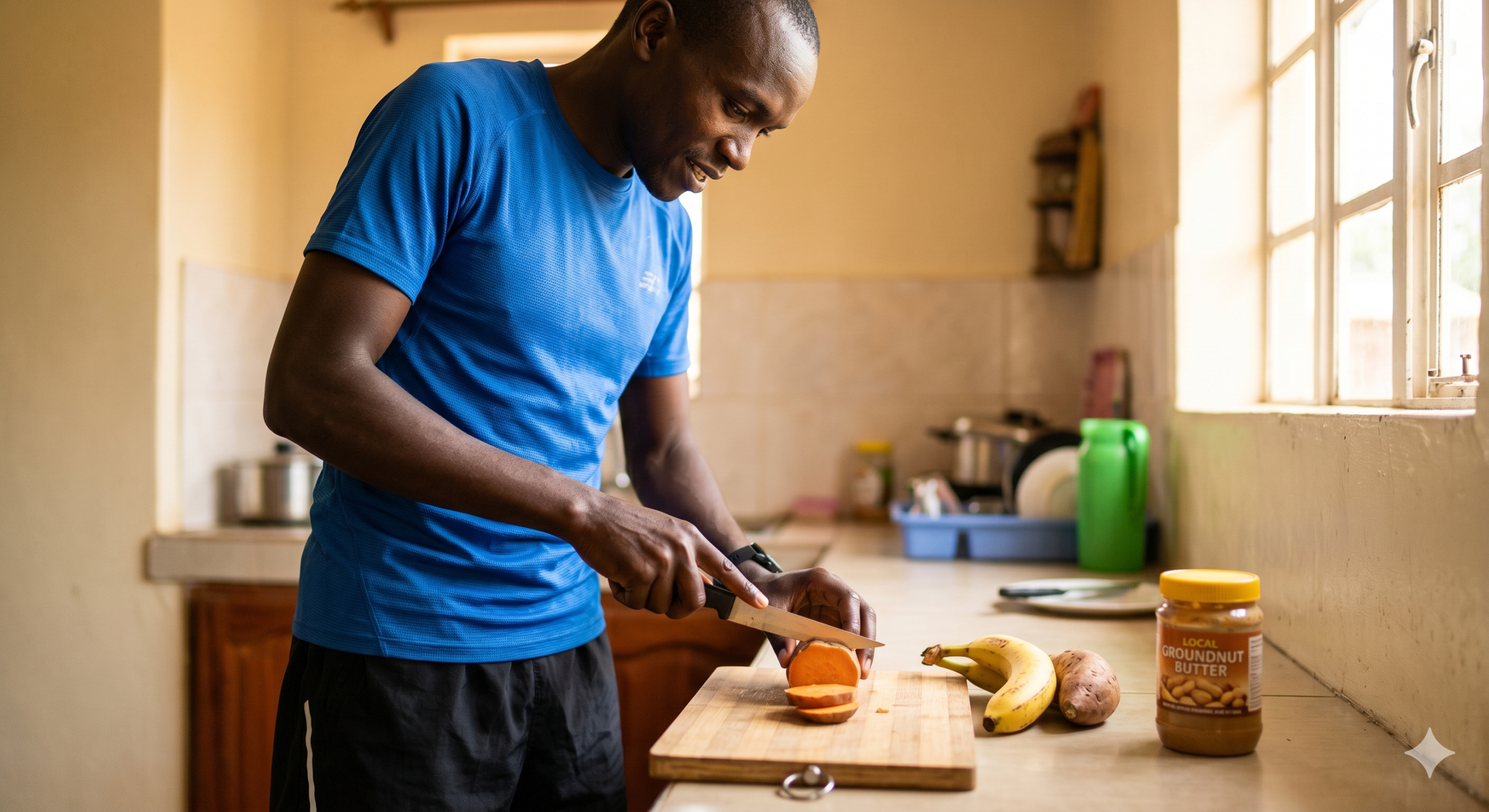
Eating a carbohydrate-rich meal one to two hours before training tops those stores up so your body has fuel when it needs it. A medium-sized sweet potato, boiled or roasted, is an ideal pre-workout option.
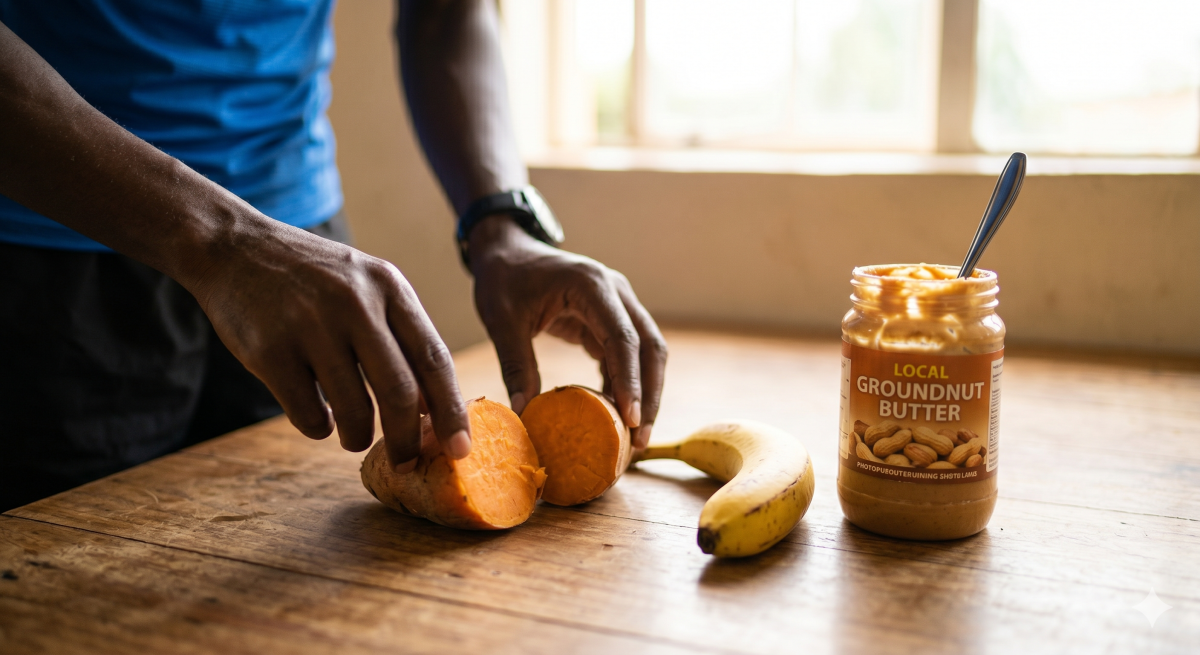
It digests at a steady pace, releases energy gradually, and won’t leave you feeling heavy mid-session.
If you’re heading out in the morning and want something quicker, a ripe banana with a tablespoon of groundnut butter works well. The banana provides fast-release carbohydrates while the groundnut butter adds fat and a small amount of protein to sustain you through the session.
For those heading to evening training after a full day, a moderate portion of rice or ugali with a light accompaniment covers the same ground.
The general rule: keep pre-workout meals carbohydrate-forward and easy on heavy fats. A large fatty meal right before training slows digestion and can cause real discomfort once you get moving.
After you train: repair and replenish
This is where protein earns its place. A 2025 review published in Sports Medicine found that “carbohydrate ingestion is essential for glycogen replenishment, especially within the initial hours post-exercise,” and that protein is equally critical for muscle repair, with evidence supporting the combination of both for the best recovery outcomes. In practical terms, two or three eggs with a glass of mala is a near-perfect post-workout meal.
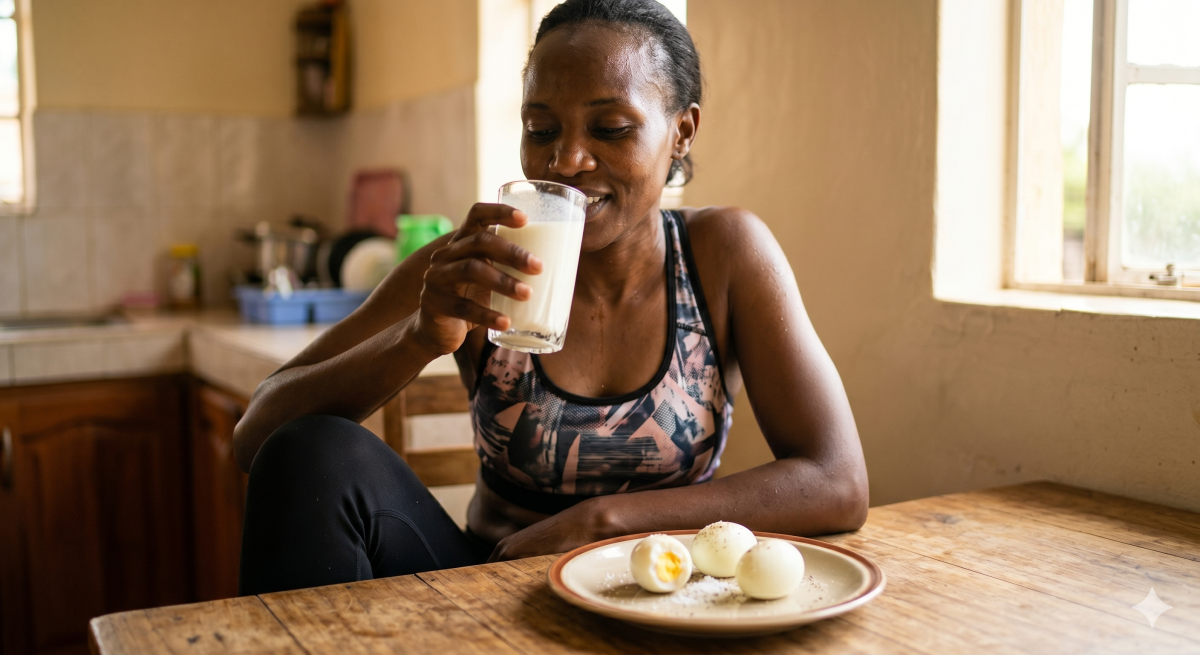
Eggs provide complete protein with all essential amino acids; mala delivers additional protein, natural probiotics, and the fluid your body has lost. The pairing is inexpensive, widely available, and nutritionally well-matched to what the research recommends.
If you train in the evening and want something lighter, uji wa wimbi (finger millet porridge) with milk is another strong option: gentle on the stomach, and rich in the recovery nutrients your muscles are waiting for.
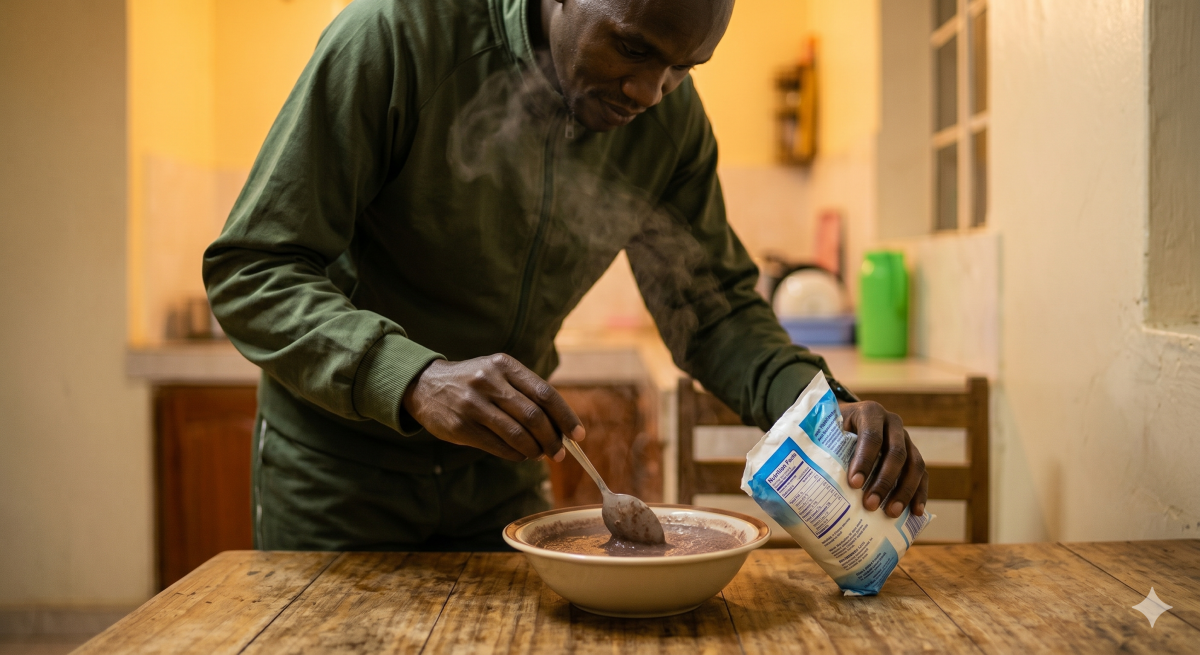
You don’t need to eat the moment you step off the treadmill, but the first two hours after training matter. That is when your body is most receptive, and what you put in during that window sets the pace for how well you show up for the next session.