Advertisement
Understanding Thyroid disorders: Causes, warning signs, and treatment
15th June, 2026 10:28 AM

The thyroid gland is a small butterfly-shaped organ located at the front of the neck, but its role in the body is enormous. It produces hormones that help regulate metabolism, heart rate, body temperature, growth and energy levels.
When the thyroid produces too much or too little hormone, it can affect nearly every organ in the body.
According to the health expert, thyroid disorders are among the most common endocrine conditions globally, affecting millions of people of all ages. Early diagnosis and treatment can help individuals manage symptoms and maintain a healthy quality of life. The thyroid may be small, but it has a powerful influence on how the body functions every day.
Types of Thyroid disorders
Several conditions can affect the thyroid gland.
Hypothyroidism: This occurs when the thyroid does not produce enough hormones. The body’s processes slow down, leading to symptoms such as fatigue, weight gain and feeling cold.
Hyperthyroidism: This happens when the thyroid produces too much hormone, causing body functions to speed up. It may result in weight loss, rapid heartbeat and nervousness.
Goitre: A goitre is an enlargement of the thyroid gland. It can occur with normal, low or high thyroid hormone levels.

Thyroid Nodules: These are lumps that develop within the thyroid gland. Most are non-cancerous, although some require further investigation.
Thyroiditis.This refers to inflammation of the thyroid gland, which can temporarily affect hormone production.
Thyroid Cancer: Although less common than other thyroid disorders, thyroid cancer can develop when abnormal cells grow within the gland.
Causes of Thyroid disorders
The causes vary depending on the condition. Common causes include: Autoimmune diseases such as Hashimoto’s thyroiditis and Graves’ disease, iodine deficiency or excess iodine intake, thyroid gland inflammation, genetic factors and family history, certain medications, radiation exposure to the neck area, and congenital thyroid disorders present at birth
Signs and symptoms
Symptoms depend on whether the thyroid is underactive or overactive.
Symptoms of Hypothyroidism include the following,
Persistent fatigue, weight gain, dry skin, constipation, depression, memory problems, sensitivity to cold, slow heart rate
Symptoms of Hyperthyroidism
Unexplained weight loss, rapid or irregular heartbeat, excessive sweating, anxiety, and irritability. Tremors, difficulty sleeping, increased appetite, sensitivity to heat
Other Symptoms can include
Swelling in the neck, hoarseness, difficulty swallowing, visible enlargement of the thyroid gland
Risk factors
Some individuals face a higher risk of developing thyroid disorders.
Risk factors include:
Family history of thyroid disease, female gender, age above 60 years, autoimmune conditions, previous thyroid surgery, pregnancy and the postpartum period, exposure to radiation, and iodine deficiency.
Diagnosis and tests
Doctors use several methods to diagnose thyroid disorders.
The first one is a physical examination. A healthcare provider may check for swelling or enlargement of the thyroid gland. Another factor includes blood tests, which include: Thyroid Stimulating Hormone (TSH), Free T4, Free T3, Thyroid antibody tests
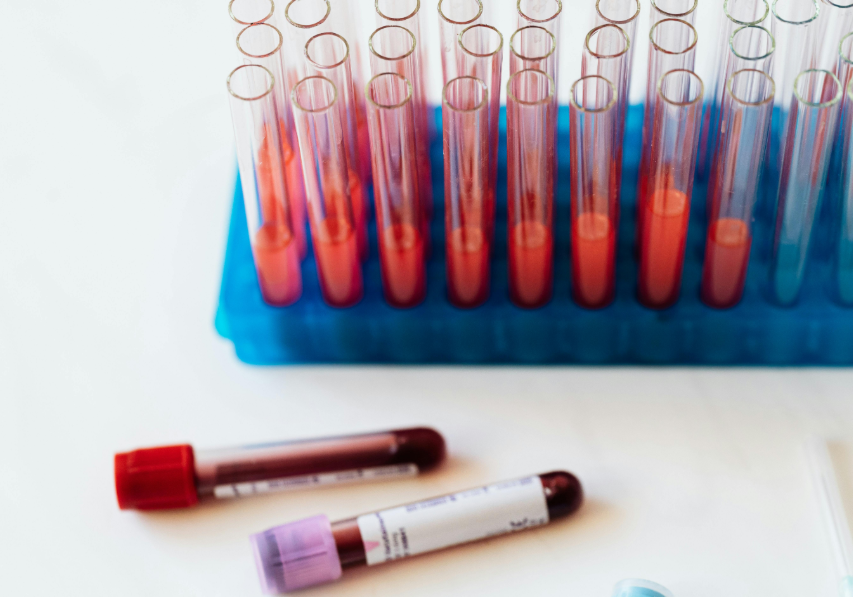
Imaging tests are also another way to test. They include Thyroid ultrasound, Thyroid scan, and radioactive iodine uptake test. Finally, there is a biopsy test, which includes a fine-needle aspiration biopsy performed to assess suspicious thyroid nodules.
Management and treatment
Treatment depends on the specific disorder.
Treatment for Hypothyroidism
The condition is commonly managed using thyroid hormone replacement medication to restore normal hormone levels.
Treatment for Hyperthyroidism
Management may involve: Anti-thyroid medications, Radioactive iodine therapy, Surgery in selected cases
Treatment for Goitre and Nodules
Small nodules may only require monitoring, while larger or suspicious growths may need surgery.
Treatment for Thyroid Cancer
Treatment can include surgery, radioactive iodine therapy and long-term monitoring.
Regular follow-up appointments are important to ensure hormone levels remain balanced.
How to prevent Thyroid disorders
Not all thyroid disorders can be prevented, especially those linked to genetics or autoimmune diseases. However, certain measures may help reduce risk.

Consume adequate iodine through a balanced diet. Attend routine medical check-ups. Avoid unnecessary radiation exposure. Follow prescribed medication instructions carefully. Seek medical attention when symptoms appear. Maintain a healthy lifestyle with regular exercise and proper nutrition
Is there a cure?
Some thyroid disorders can be cured, while others require lifelong management.
Hyperthyroidism may be permanently treated through surgery or radioactive iodine therapy. Certain cases of thyroid cancer can also be cured when detected early and treated appropriately.
Hypothyroidism, however, is often a lifelong condition. While it may not be completely cured, it can be effectively controlled through daily medication, allowing individuals to live normal and healthy lives.
Understanding thyroid disorders and recognising early warning signs can make a significant difference. Prompt diagnosis, proper treatment and regular monitoring remain the best ways to protect thyroid health and prevent complications.