Advertisement
Why standing up too fast makes you feel dizzy sometimes
11th August, 2026 11:51 AM
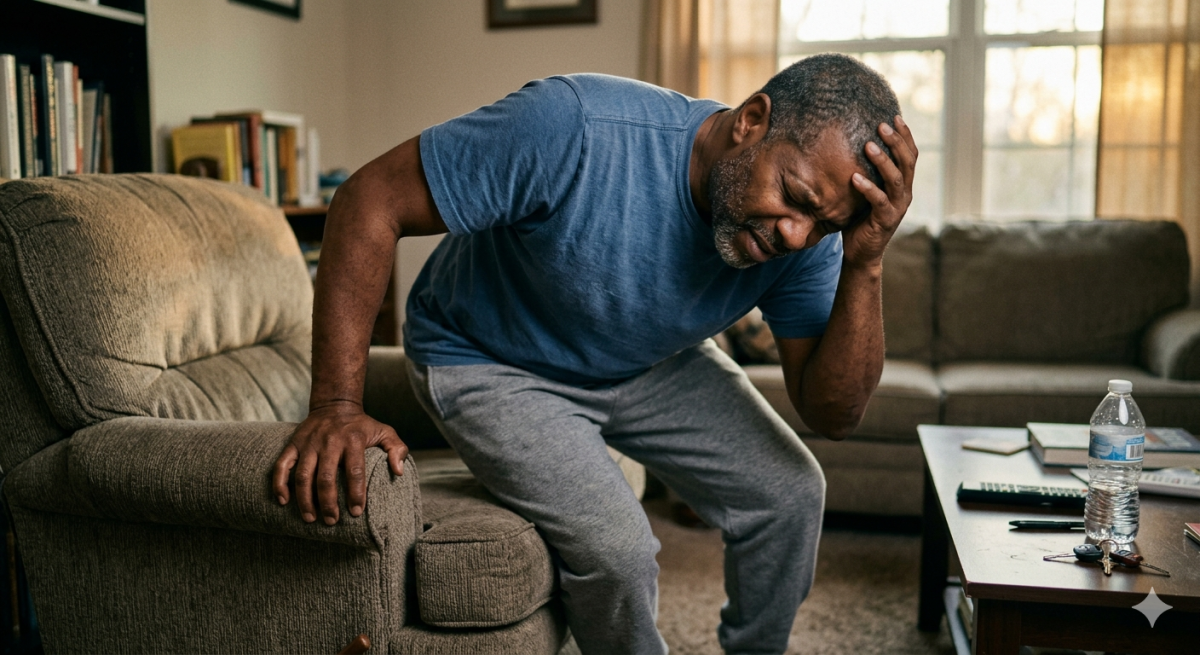
You may be seated for some time, get up quickly and suddenly feel light-headed, weak or as if the room is moving. In some cases, your vision may become blurry or dark for a few seconds before returning to normal.
While the feeling can be unsettling, it is often linked to the way the body adjusts blood pressure when a person changes position.
What happens when you stand
When a person stands from a sitting or lying position, gravity causes some blood to move towards the legs and lower part of the body. This temporarily reduces the amount of blood returning to the heart.
The body normally responds quickly. Blood vessels tighten, and the heart beats faster to help maintain blood pressure and ensure that enough blood continues reaching the brain.
According to Mayo Clinic, this adjustment can sometimes be too slow, causing a temporary fall in blood pressure known as orthostatic, or postural, hypotension.
The resulting reduction in blood flow to the brain can make someone feel dizzy or light-headed. The sensation usually lasts only a short time and may disappear after sitting or lying down again.

Dehydration can make it worse
Not drinking enough fluids can increase the chances of feeling dizzy after standing. When the body loses more fluid than it takes in, such as through heavy sweating, vomiting or diarrhoea, blood volume can decrease.
This means the body has less circulating fluid to maintain blood pressure when a person changes position.
According to MedlinePlus, dehydration is one of the factors that can contribute to light-headedness, particularly when someone gets up quickly after sitting or lying down.
The problem may also be more noticeable after spending a long time in bed, standing for extended periods or being exposed to heat.
Medicines and health conditions can play a role
Occasional dizziness does not necessarily mean that someone has a medical condition. However, repeated episodes can sometimes be linked to medicines or an underlying health problem.
Some medicines used to treat high blood pressure and heart conditions can lower blood pressure. Other conditions affecting the heart, nervous system or the body’s ability to regulate blood pressure may also contribute to postural hypotension.
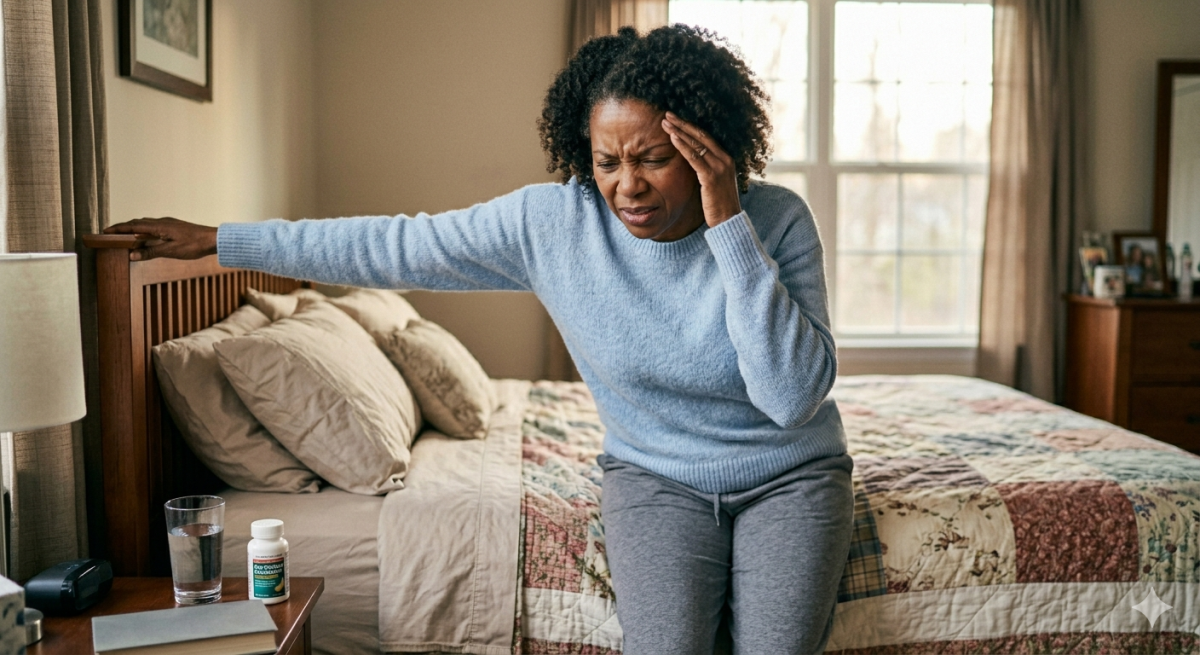
Older adults are more likely to experience orthostatic hypotension because the body’s blood-pressure regulation mechanisms can become less responsive with age.
When dizziness should not be ignored
A brief dizzy spell that happens occasionally may not be a cause for concern. However, frequent episodes deserve medical attention, especially if they are becoming more common.
Fainting, repeated falls, chest pain, difficulty breathing, severe headache, weakness, confusion, slurred speech or changes in vision alongside dizziness require prompt medical assessment.
For someone who regularly feels dizzy after standing, it can help to rise slowly rather than suddenly. Sitting on the edge of the bed for a moment before standing can give the body time to adjust.
If dizziness starts, sitting or lying down can also reduce the risk of falling.
Standing up quickly may seem like a harmless everyday action, but the brief dizzy spell is a reminder that the body needs a moment to adjust to changes in position. When the episodes become frequent or are accompanied by other symptoms, it is important to find out what is causing them rather than simply ignoring them.