Advertisement
Why you get goosebumps when you’re cold or scared
28th August, 2026 12:54 PM
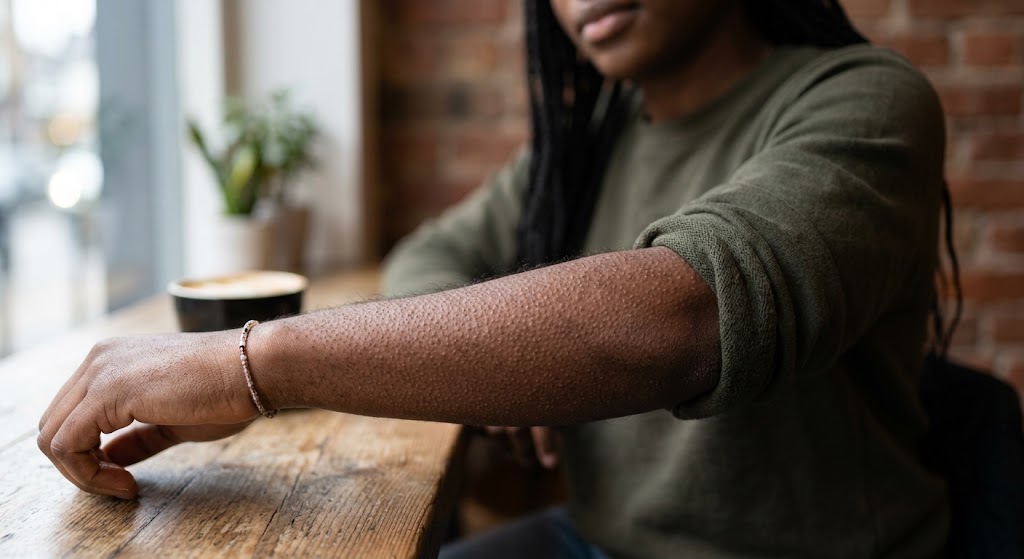
You may notice tiny bumps appearing on your arms when you step into cold weather, hear an unexpected noise, or watch a frightening scene. Sometimes they appear without any obvious reason and disappear just as quickly.
Known medically as piloerection, goosebumps are a normal, involuntary reaction controlled by the nervous system. They are not a disease and, in most situations, do not require treatment. The reaction is simply one of the ways the body responds to changes in temperature and strong emotions.
Why cold weather causes goosebumps
When the body senses cold, it begins making adjustments to protect its core temperature. Tiny muscles attached to hair follicles contract, causing the hairs on the skin to stand upright. This creates the familiar rough, bumpy appearance.
Goosebumps can occur when the skin is exposed to cold air. The reaction is linked to the body’s attempt to conserve heat, although it is much more useful in animals with thick fur than it is in humans.
The human body has relatively little hair, so goosebumps do not provide significant insulation. Instead, they are largely a leftover response from an older biological mechanism.
Cold can also trigger shivering, which is different from goosebumps. Shivering involves rapid muscle contractions that generate heat, while goosebumps mainly involve the small muscles surrounding hair follicles.
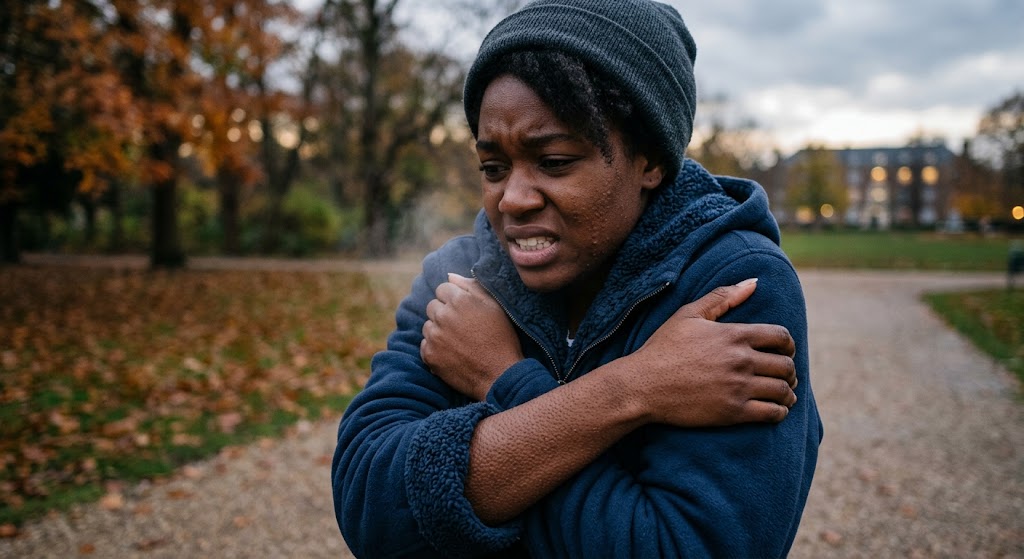
Fear can trigger the same reaction
Goosebumps are not only caused by cold temperatures. Strong emotions such as fear, shock, excitement and even certain powerful experiences can produce the same reaction.
According to the Cleveland Clinic, the sympathetic nervous system is responsible for the body’s fight-or-flight response. When the brain senses danger or a sudden threat, this system becomes active and prepares the body to react.
As part of this response, tiny muscles at the base of the hair follicles contract, causing the hairs to stand up and producing goosebumps.
This explains why someone can suddenly develop goosebumps while watching a scary film, hearing an unexpected sound or experiencing an intense emotional moment, even when the surrounding temperature has not changed.
What happens inside the body
Goosebumps are only one part of a larger response. When fear or stress activates the sympathetic nervous system, the heart rate and breathing can increase as the body prepares to respond.
The sympathetic nervous system can also redirect blood flow and activate other changes that help the body deal with a stressful situation.
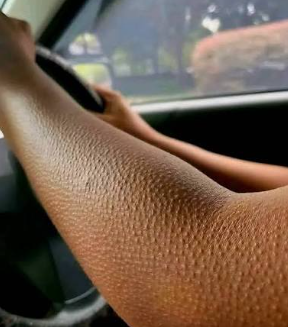
Once the brain determines that there is no longer a threat, the body’s response gradually settles. The tiny muscles around the hair follicles relax and the skin returns to its normal appearance.
What should you do when goosebumps appear?
If goosebumps are caused by cold, the simplest response is to warm yourself. Moving into a warmer environment, putting on additional clothing or using a blanket can help the body regain a comfortable temperature.
If they appear because of fear or stress, taking slow breaths and moving away from the stressful situation can help the body settle. Once the nervous system returns to its resting state, the goosebumps should normally disappear on their own.
There is no need to rub, scratch, or press the affected skin. Goosebumps are an automatic response, so trying to force them away is generally unnecessary.
When should you be concerned?
Occasional goosebumps are usually harmless. However, they can sometimes occur alongside chills, particularly when the body is fighting an infection.
Chills may occur with infections and can be accompanied by fever. If goosebumps occur together with persistent fever, severe shaking, confusion, difficulty breathing or other concerning symptoms, medical advice should be sought.