Advertisement
Chapati-making machine: How many pieces can it make in one hour?
28th August, 2026 12:08 PM
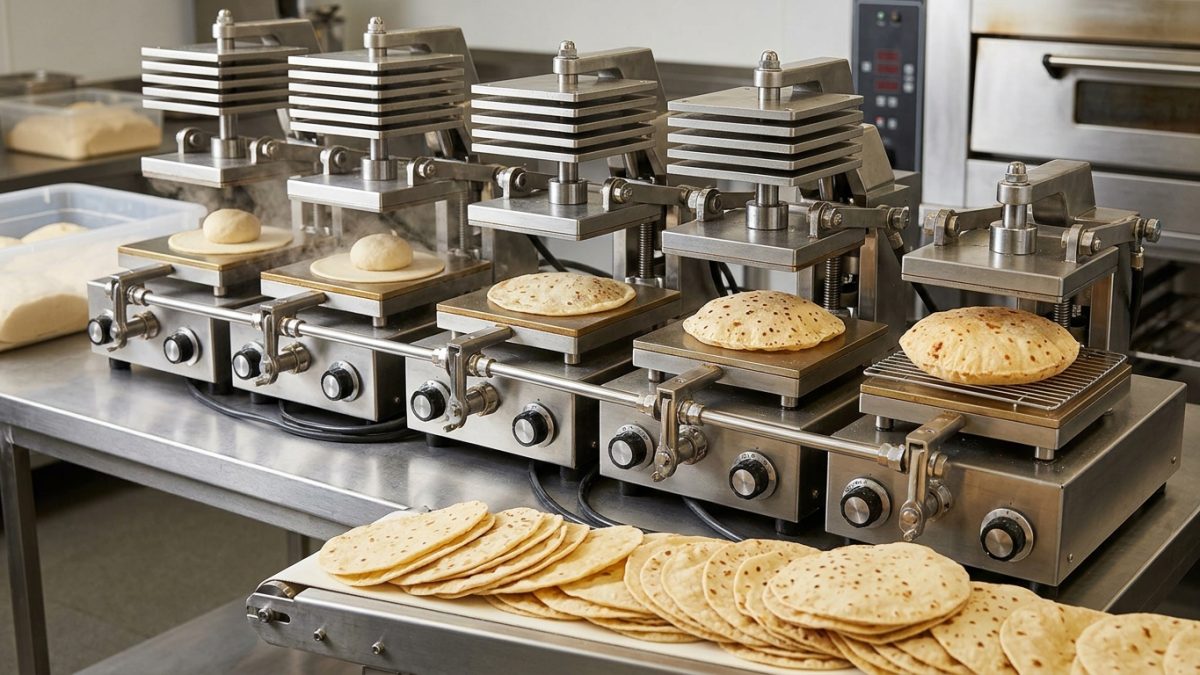
A new chapati-making machine installed at Toi Primary School has brought a different approach to preparing one of Kenya’s most popular foods, with the machine capable of producing up to 2,000 chapatis in an hour.
The machine is part of the Dishi na County school feeding programme and is expected to help increase the variety of meals served to learners in Nairobi public schools.
But how does a machine produce thousands of chapatis in such a short time, and what happens between the dough and the finished chapati?
From dough to chapati
Unlike traditional chapati preparation, where dough is divided, rolled, and cooked one piece at a time, an automatic machine combines several of these stages into one continuous process.
The dough is first prepared separately before being fed into the machine. Depending on the machine design, the dough is divided into portions of a similar size and weight.
The portions are then pressed or passed through rollers to create thin, round pieces. The thickness and size can be adjusted according to the required chapati.
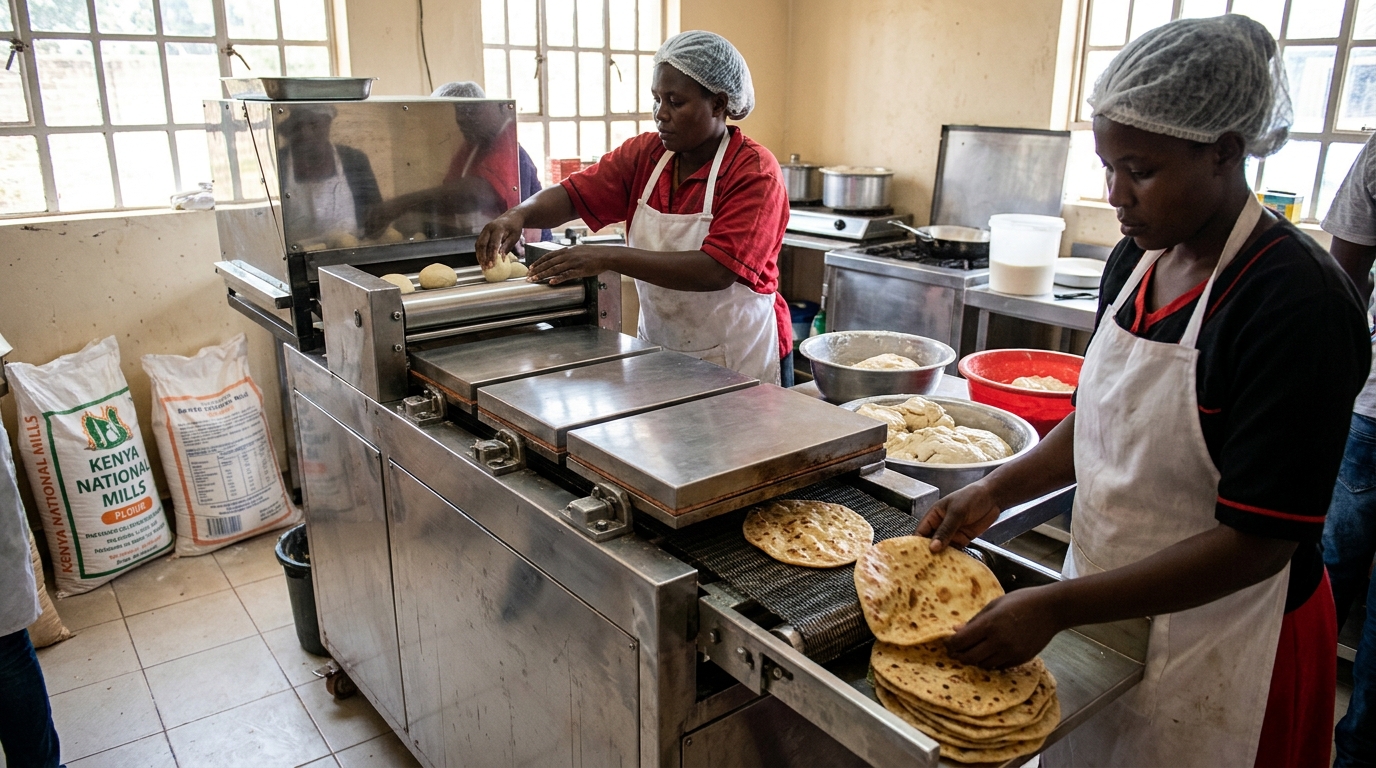
This is one of the main differences from making chapati by hand. Instead of having someone roll each piece individually, the machine performs the shaping continuously as the dough moves through the production line.
Some systems use a series of rollers to flatten the dough before a cutting mechanism forms uniformly sized round pieces.
How the machine cooks the chapati
Once the dough has been shaped, it moves along a conveyor into the cooking section. Commercial chapati machines commonly use several heating stages. The first stages cook the chapati on different sides, while another stage helps it puff before it leaves the machine.
The conveyor keeps the chapatis moving through the heated sections at a controlled speed. This allows several chapatis to be at different stages of cooking at the same time.
Some automatic machines use a three-stage baking system consisting of roasting the first side, cooking the second side, and finally puffing the chapati. The finished chapatis then move towards the collection area.
How long does it take to make one chapati?
The machine at Toi Primary has a stated capacity of up to 2,000 chapatis per hour. This translates to roughly 33 chapatis every minute when operating at full capacity. In simple terms, that means a new chapati can come out of the production line about every two seconds on average.
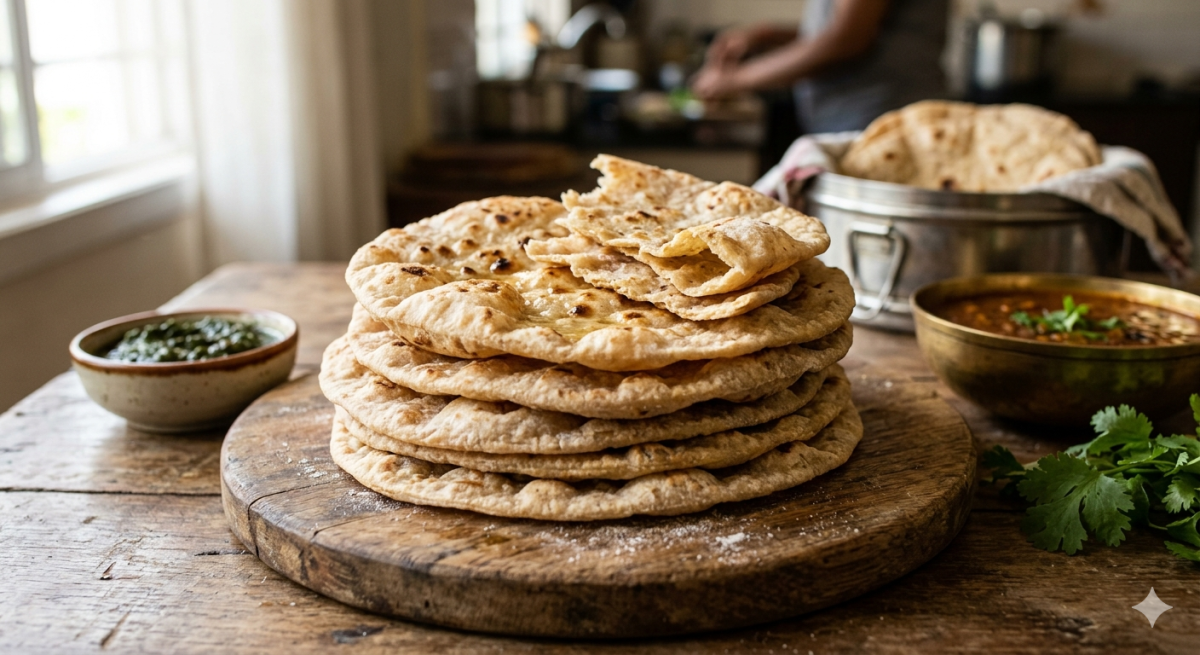
However, the two-second figure should not be understood as the time taken for one chapati to pass through the entire machine. The process works continuously, with many chapatis being prepared and cooked at different stages at the same time.
According to technical information from commercial chapati machine manufacturers, automated systems can combine dough portioning, pressing, baking and puffing into one production line.
Why the machine matters to school feeding
The installation comes as Nairobi expands the Dishi na County programme. The programme currently serves more than 324,000 learners, with chapatis set to be provided to schools according to a coordinated timetable.
The machine therefore changes the scale at which chapatis can be prepared. Making hundreds or thousands of chapatis manually would require considerable time, space and labour. With an automated system, the kitchen can prepare large quantities while maintaining a more consistent size and cooking process.
A different way of making a familiar food
Chapati has traditionally been associated with hands-on preparation, from kneading the dough to rolling each piece and cooking it in a pan. The machine does not change the basic ingredients used to make chapati. Instead, it changes how the food moves from prepared dough to the plate.
At full capacity, 2,000 chapatis an hour means the Toi Primary kitchen can handle large-scale production that would be difficult to achieve through manual preparation alone.