Advertisement
Eating without thinking? Why mindless snacking is becoming a growing concern
21st August, 2026 01:27 PM

For many people, snacking has become such a normal part of the day that it can happen almost automatically. A packet of crisps during a work break, biscuits while scrolling through social media or a sugary drink during a long commute may not feel significant on its own.
However, when these habits become frequent and disconnected from actual hunger, they can contribute to unhealthy eating patterns.
When eating becomes automatic
Mindless snacking often happens when people eat while distracted, stressed, bored or simply because food is easily available. Unlike eating in response to hunger, this behaviour can involve consuming food without paying attention to portions, taste or fullness.
Modern lifestyles can make the habit even easier. Long working hours, constant screen use and the widespread availability of convenient snacks mean food is often within reach. Social media can also expose people to endless food content, from restaurant promotions to short videos featuring tempting meals.

The problem is not that snacks are inherently unhealthy. Rather, it is the lack of awareness surrounding why, when and how much someone is eating.
Emotions can play a major role in mindless eating. Stress may encourage someone to reach for comfort foods, while boredom can make eating feel like an easy source of entertainment.
The cycle can become difficult to notice. A person may eat because they feel tired, continue eating while watching television and later realise they were never particularly hungry.
Over time, repeated snacking can increase overall calorie intake, particularly when the foods involved are high in sugar, salt or fat. It may also make it harder for people to recognise their body’s natural hunger and fullness signals.
Making eating more intentional
Breaking the habit does not necessarily mean eliminating snacks. Instead, becoming more conscious about eating can make a difference. Taking a moment to ask, “Am I actually hungry?” can help distinguish physical hunger from boredom, stress or habit.
Eating without screens, serving snacks into a bowl instead of eating directly from the packet and paying attention to fullness can also encourage more mindful choices.
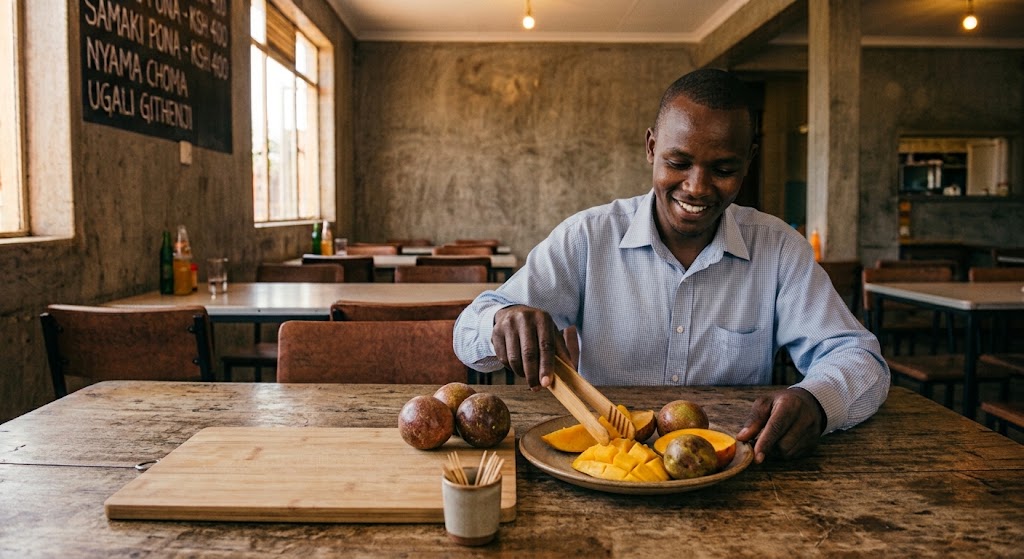
Ultimately, the goal is not to make eating stressful or restrictive. It is to develop greater awareness around food. In a world where distractions are everywhere, simply slowing down long enough to notice what, why and how much we are eating could be an important step towards healthier habits.