Advertisement
Understanding the difference between HPV infection and cervical cancer
17th July, 2026 06:23 PM
Many people mistakenly believe that testing positive for the Human Papillomavirus (HPV) means they have cervical cancer. However, HPV infection and cervical cancer are not the same thing.
Understanding the difference is essential because it can reduce fear, encourage HPV vaccination and motivate women to seek regular cervical cancer screening.
According to the World Health Organization (WHO), cervical cancer is one of the most preventable forms of cancer through HPV vaccination, regular screening and timely treatment of precancerous changes.
What Is HPV?
HPV, or Human Papillomavirus, is a group of more than 200 related viruses, some of which are spread through skin-to-skin sexual contact. It is one of the most common viral infections worldwide.
The WHO estimates that almost all sexually active people will be infected with HPV at some point in their lives, often without knowing it because the infection usually causes no symptoms.
In about 90% of people, the body’s immune system clears the virus naturally within one to two years without causing any health problems.
What Is Cervical Cancer?
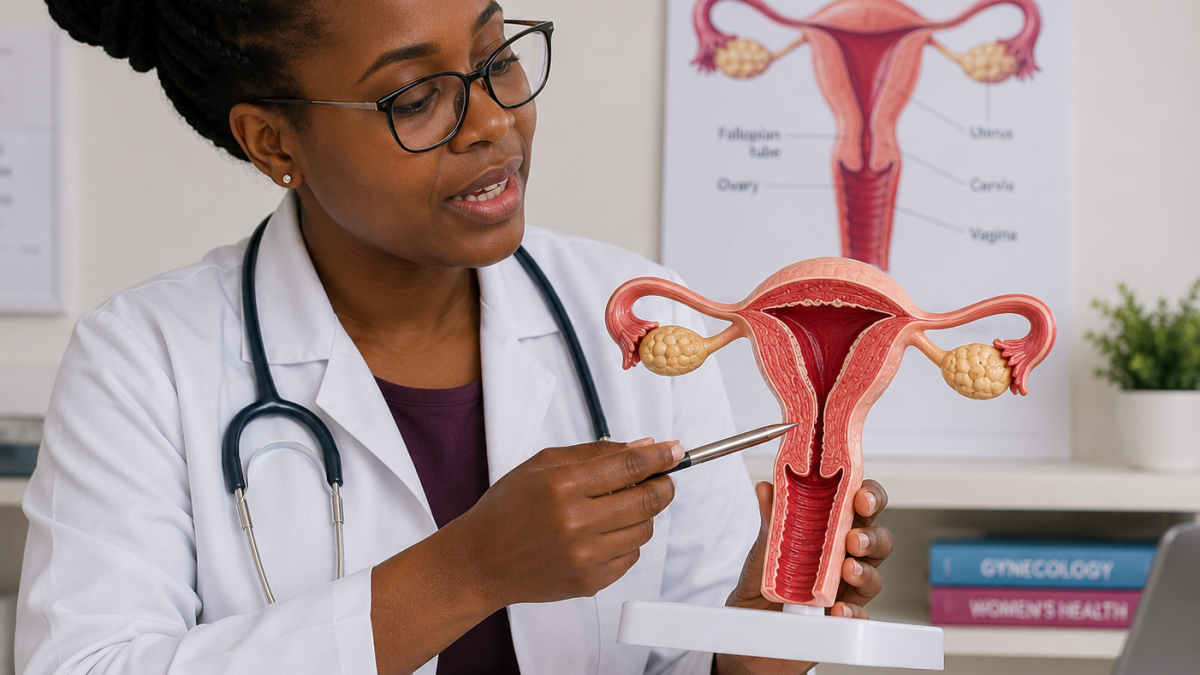
Cervical cancer develops in the cervix the lower part of the uterus that connects to the vagina. Unlike HPV infection, cervical cancer does not develop immediately after someone is infected.
Instead, cervical cancer occurs when a high-risk HPV infection remains in the body for many years, causing abnormal cells in the cervix that may eventually become cancer if they are not detected and treated.
According to the WHO, about 95–99% of cervical cancer cases are linked to persistent infection with high-risk HPV types, particularly HPV types 16 and 18.
HPV infection does not mean you have cancer
This is one of the biggest misconceptions surrounding HPV.
Most HPV infections disappear on their own without causing any illness. Only a small proportion of infections caused by high-risk HPV types become persistent, and only some of those persistent infections progress to precancerous changes and eventually cervical cancer.
The WHO notes that this process usually takes 15 to 20 years in women with healthy immune systems. For women living with untreated HIV or other conditions that weaken immunity, cervical cancer can develop much faster within 5 to 10 years.
Why HPV vaccination matters
The Kenya Ministry of Health, UNICEF and the Kenya National Cancer Institute recommend HPV vaccination as one of the most effective ways to prevent cervical cancer.
Kenya introduced the HPV vaccine into its routine immunisation programme to protect girls before they are exposed to the virus. The vaccine works by preventing infection from the HPV types that cause most cervical cancer cases.
The WHO recommends HPV vaccination for girls aged 9–14 years, before they become sexually active, because the vaccine provides the greatest protection when given before exposure to HPV.
UNICEF has continued to support Kenya’s school-based HPV vaccination programme by working with the Ministry of Health to improve vaccine access and raise awareness among parents, teachers and communities.
Screening is still important
Receiving the HPV vaccine does not eliminate the need for cervical cancer screening later in life.
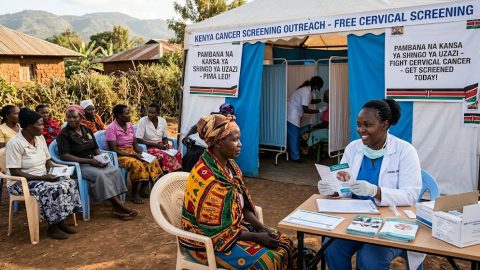
According to the WHO and the Kenya National Cancer Institute, screening can detect abnormal cervical cells before they become cancer. When these changes are identified early, treatment can prevent cervical cancer from developing.
Women should follow the screening recommendations provided by healthcare professionals, even if they received the HPV vaccine as children.