Advertisement
The long-term health effects of neglect in older adults in Kenya
17th July, 2026 04:26 PM
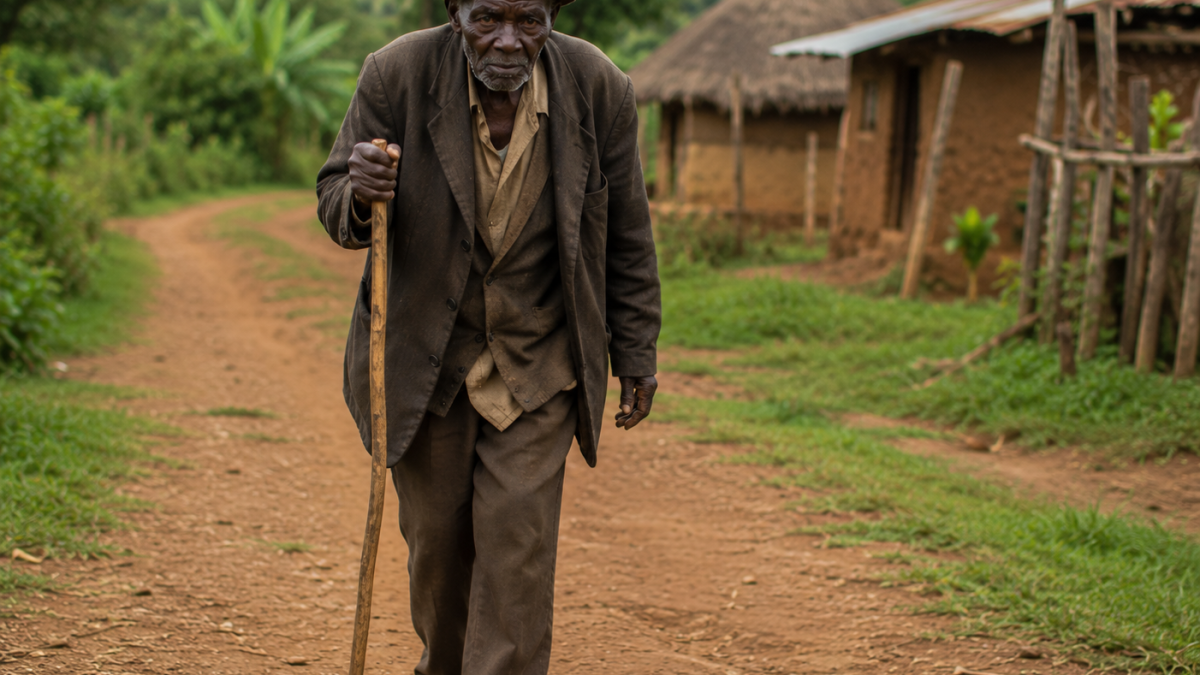
As Kenya’s population ages, the well-being of older persons is becoming an increasingly important public health issue. While many older Kenyans receive love and support from their families, others experience neglect a form of abuse that often goes unnoticed.
Neglect occurs when an older person is denied basic needs such as food, clean clothing, medical care, shelter, emotional support or protection. Over time, this can have devastating effects on both physical and mental health.
According to the World Health Organization (WHO), elder abuse includes neglect, physical, emotional, sexual and financial abuse. Globally, around one in six people aged 60 years and older experience some form of abuse each year, with neglect being one of the recognised forms.
The abuse of older people, also known as elder abuse, is an intentional act, or failure to act, by a caregiver or another person in a relationship involving an expectation of trust that causes harm to an adult 60 years and older.
“Around 1 in 6 people 60 years and older experienced some form of abuse in community settings during the past year. Rates in institutional settings, such as nursing homes and long-term care facilities, are higher still, with 2 in 3 staff reporting that they have committed abuse in the past year,” WHO states.
Even if rates remain constant, the absolute number of older people experiencing abuse is predicted to increase as the global population of older people increases.
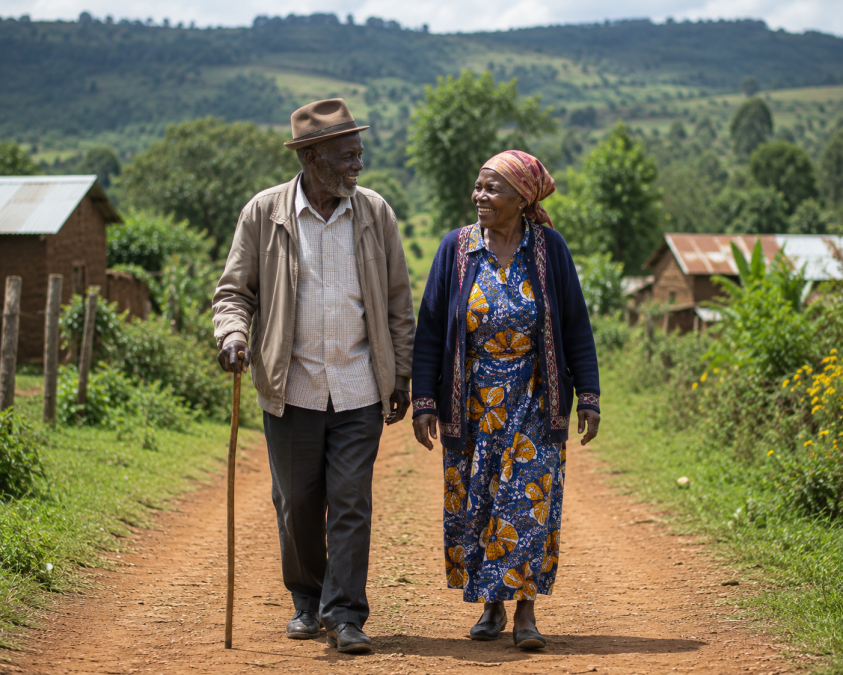
Poor physical health and chronic illness
Neglect can worsen existing medical conditions such as diabetes, hypertension, arthritis and heart disease. Older adults who miss medical appointments, fail to take prescribed medication or lack access to nutritious meals are more likely to experience complications that require emergency treatment or prolonged hospital stays.
Poor nutrition is another major concern. Without regular, balanced meals, older people are at greater risk of malnutrition, weakened immunity and slower recovery from illness or injury. Dehydration, which is common among neglected older adults, can also increase the risk of confusion, kidney problems and infections.
Increased risk of falls and disability
Many older people require assistance with daily activities such as bathing, dressing or moving around safely. When these needs are ignored, the risk of falls rises significantly.
Falls can lead to fractures, reduced mobility and long-term disability. For many older adults, recovering from a broken hip or other serious injury can take months and may permanently reduce their independence.
Depression and loneliness
Neglect affects emotional health just as much as physical health. Older adults who are isolated or ignored may develop depression, anxiety and feelings of worthlessness. Loneliness has also been linked to poor sleep, reduced appetite and declining physical health.
In Kenya, changing family structures, rural-to-urban migration and demanding work schedules have reduced the amount of time some families spend with ageing relatives. While many families continue to provide excellent care, some older adults are left alone for long periods with little social interaction.
Abuse of older people can lead to serious physical injuries and long-term psychological consequences, increased risk of nursing home placement, use of emergency services, hospitalization and premature death.
On 15 June 2022, World Elder Abuse Awareness Day, WHO and partners published “Tackling abuse of older people: five priorities for the UN Decade of Healthy Ageing (2021–2030)”.
At the time the United Nations Decade of Healthy Ageing 2021–2030 provided a unique chance for a step change in the way abuse of older people is tackled.
The document offers an opportunity to address abuse of older people in a more concerted, sustained and coordinated way and to reduce the number of older people worldwide who experience abuse.