Advertisement
Jet lag: What crossing time zones does to the body
15th July, 2026 04:36 PM
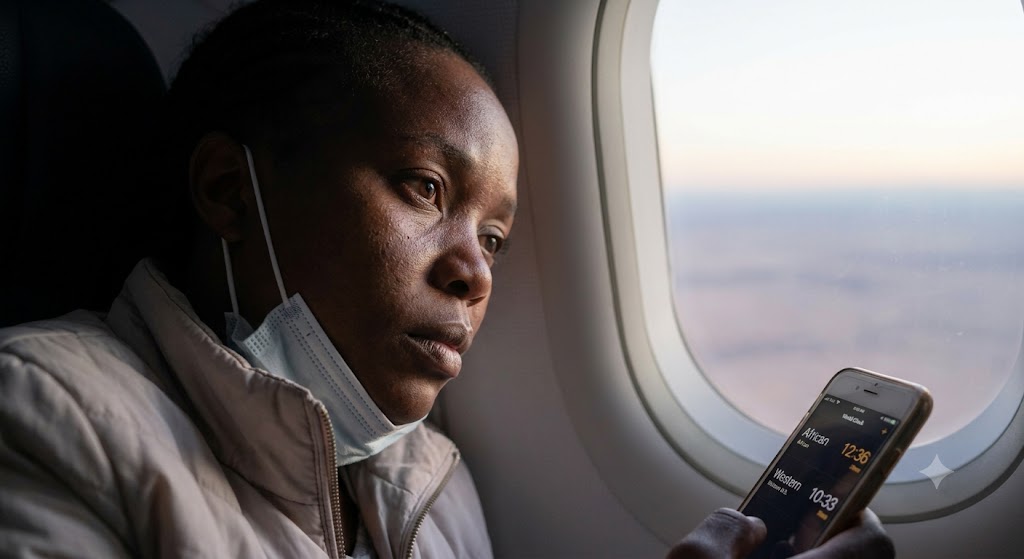
Have you ever landed in a new country excited to explore, only to find yourself completely exhausted during the day but wide awake at midnight? This is the reality of jet lag.
It happens because your body runs on an internal clock that does not instantly adjust when you change locations. This internal master clock is controlled by a tiny area in your brain called the suprachiasmatic nucleus. It keeps your sleep, waking, and digestion in sync with your home time.
If you fly from Nairobi to Paris, the time difference is only one hour. Because this shift is small, your body adjusts quickly, and you will barely feel any jet lag. However, flying from Nairobi to Los Angeles means crossing ten time zones.
Since the human body clock typically adjusts at a rate of only one day per time zone, it will take about ten days to feel completely normal again on that trip.
Resetting your sleep clock
Fortunately, you can help your body catch up faster. The most effective way to reset your biological clock is to use natural sunlight strategically.
Because bright light stops your body from making the sleep hormone melatonin, getting outside at the right time is crucial. If you travel west, evening sunlight helps by delaying your sleep cycle. If you are flying east, morning light advances your clock to help you wake up earlier.

You can also use melatonin supplements to speed up this process. In a review published in April 2002, researchers confirmed that “melatonin is remarkably effective in preventing or reducing jet lag”.
Taking a small dose of 0.5 to 5 milligrams close to your bedtime at your destination tells your brain it is time to sleep. In Kenya, you can find quality melatonin supplements at local pharmacies starting from around Ksh1,500.
What to avoid on your next flight
While light and melatonin are proven to help, other popular habits can actually make your jet lag worse. Many travellers try to fight daytime sleepiness with cup after cup of strong coffee, or they drink alcohol at night to force themselves to sleep.
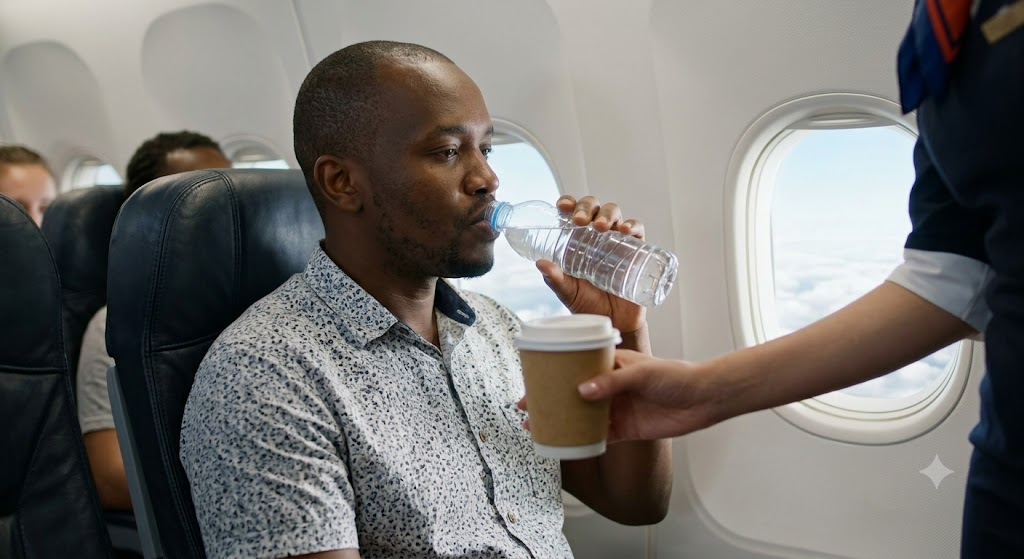
These shortcuts do not reset your body clock. Instead, they dehydrate you and disrupt your natural sleep cycles. To bounce back quickly, skip the extra caffeine and alcohol, drink plenty of water to fight the dry cabin air, and let light and melatonin do the heavy lifting.