Advertisement
Web of billions: How Spider-Man became the most heroic franchise in Hollywood
04th August, 2026 06:27 PM
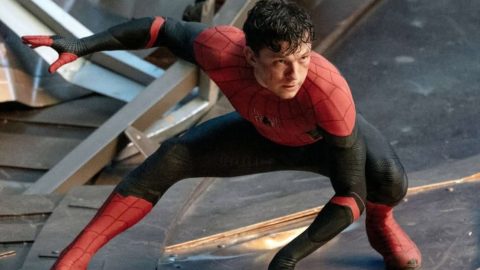
A year ago, the superhero-industrial complex looked like it was on the wane. All three of Marvel’s big movies for 2025 underperformed to some degree or another, outgrossed by DC’s newest reboot of Superman – which itself made less than any number of previous-regime DC movies, and was followed up by this summer’s Supergirl, a costly bomb.
It looked as if the age of heroes might be coming to an end, and only seemed fitting that the next big Avengers movie was subtitled Doomsday (and had resigned itself to sharing a release date with the IMAX-grabbing release of a third Dune movie).
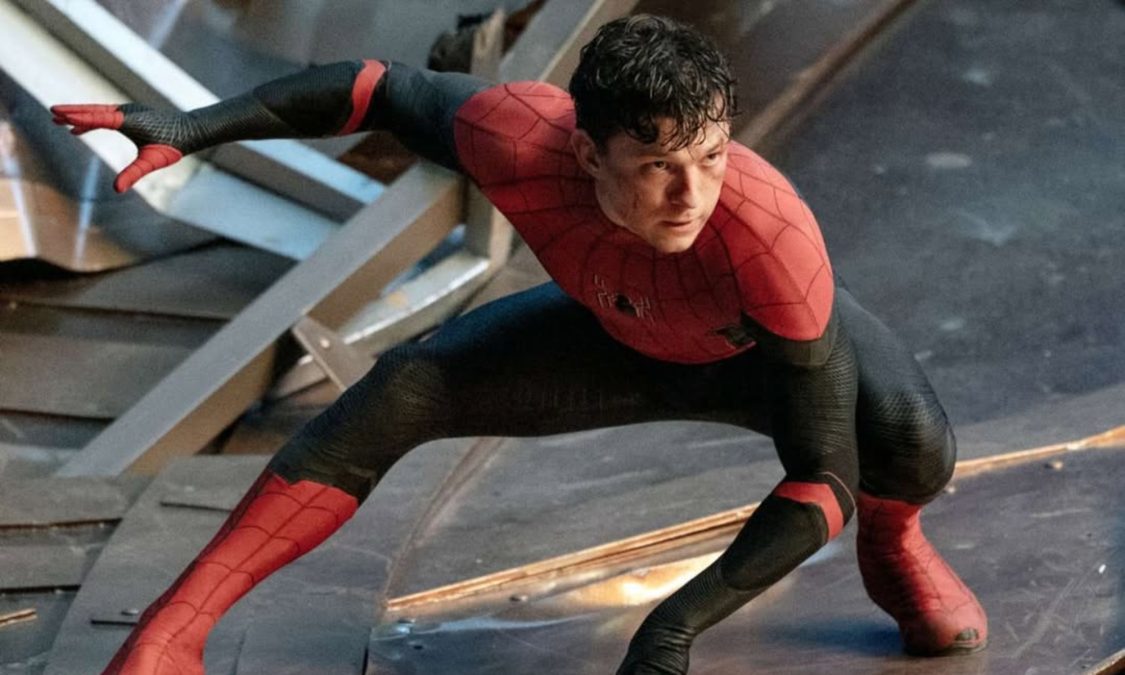
Spider-Man: Brand New Day, the fourth solo film starring Tom Holland as the third live-action iteration of the character in the past 25 years, was always expected to do well at the box office this summer. Its predecessor, 2021’s Spider-Man: No Way Home, was the first movie since Covid to post 2010s-style numbers.
At the same time, it seemed like an anomaly, given its advantage of two additional Spider-Men, as previous stars Tobey Maguire and Andrew Garfield returned for an unexpectedly moving curtain call to their versions of Peter Parker. Still: The (relatively) lower-grossing movies that sent those past Peters packing made a substantial amount of money, too, so there was a general understanding that Spider-Man would be a perennial favourite and Brand New Day would do accordingly well.
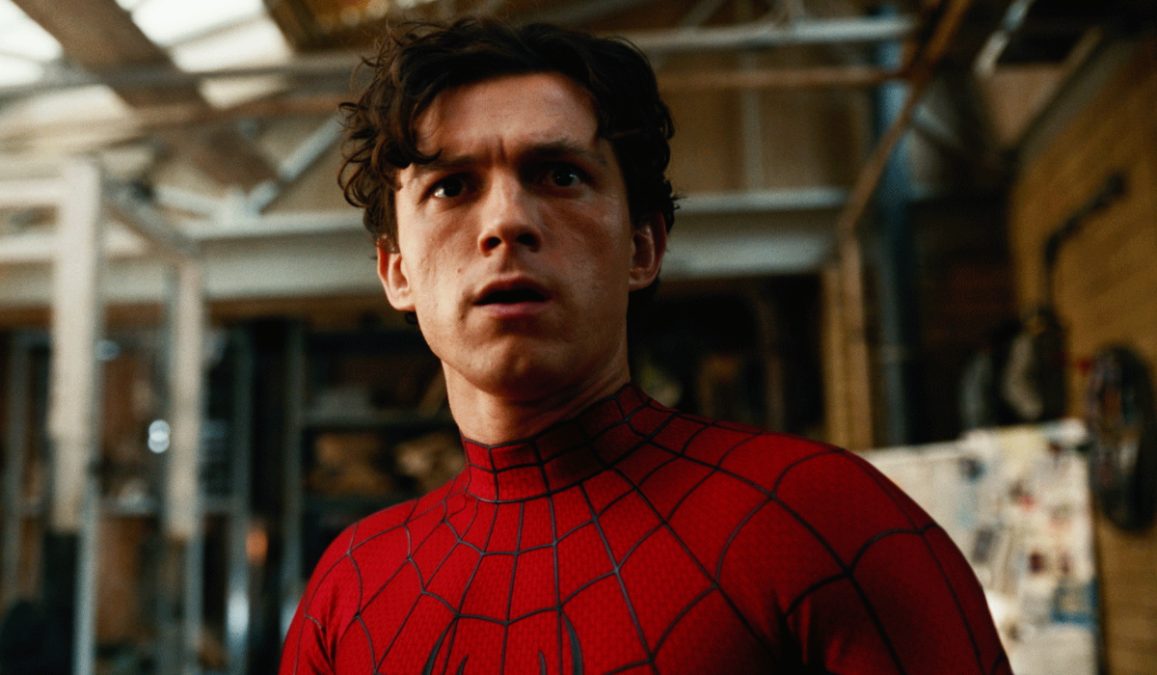
Yet a few months ago, hardly anyone predicted that it would swoop so far as the all-time opening weekend record in North America, outgrossing Avengers: Endgame with $360m (Ksh47 billion) and coming in a strong second worldwide, making nearly a billion dollars within four days. What’s more, Brand New Day is keeping pace with a movie that was an all-in team-up event, also sold as a de facto finale.
Most of it focuses on the six core Avengers who first assembled in the 2012 smash (plus Ant-Man, Captain Marvel and Rocket Raccoon), but its climax features appearances from just about every major MCU character brought back from the dead, including Holland’s Spidey.
Certainly takes advantage of that same wide cinematic universe
Brand New Day certainly takes advantage of that same wide cinematic universe, with supporting parts for the Hulk (Mark Ruffalo), the new Black Widow (Florence Pugh), the Punisher (Jon Bernthal), and one major figure from Marvel comics. But that mystery character’s identity wasn’t part of the ad campaign to keep the movie’s surprise intact, and the Punisher is from a few Marvel TV shows – not exactly a blockbuster-level draw. No, it’s safe to say that Brand New Day is breaking records – it will become the biggest movie of the year in a matter of days – because of Spider-Man himself.
That means the character, not actor Tom Holland (though his version is obviously popular). Spidey has been posting numbers like this longer than any single movie star: Combined with the surprise success of an X-Men movie two years earlier, Spider-Man ’02 kicked off a superhero-movie craze – and due respect to Professor X and his noble mission of mutant-human brotherhood, but the Raimi film pulled in well over twice as much. It was a sign that he was attracting audiences beyond the comics-fan faithful, even – cue the nerd sweats – girls!
It’s probably an oversimplification to chalk Spider-Man’s enduring cinematic appeal to a female audience, not least because all three live-action Spider-Man series centre a male point of view, unswervingly make the female lead a love interest for Peter Parker, and ignore all of the super-powered women in this corner of comics lore; only the animated Spider-Verse movies get into Ghost Spider, Spider-Woman and so on. (It would also be unfair to deny the existence of female comics fans, excited to see Spider-Man on screen.)
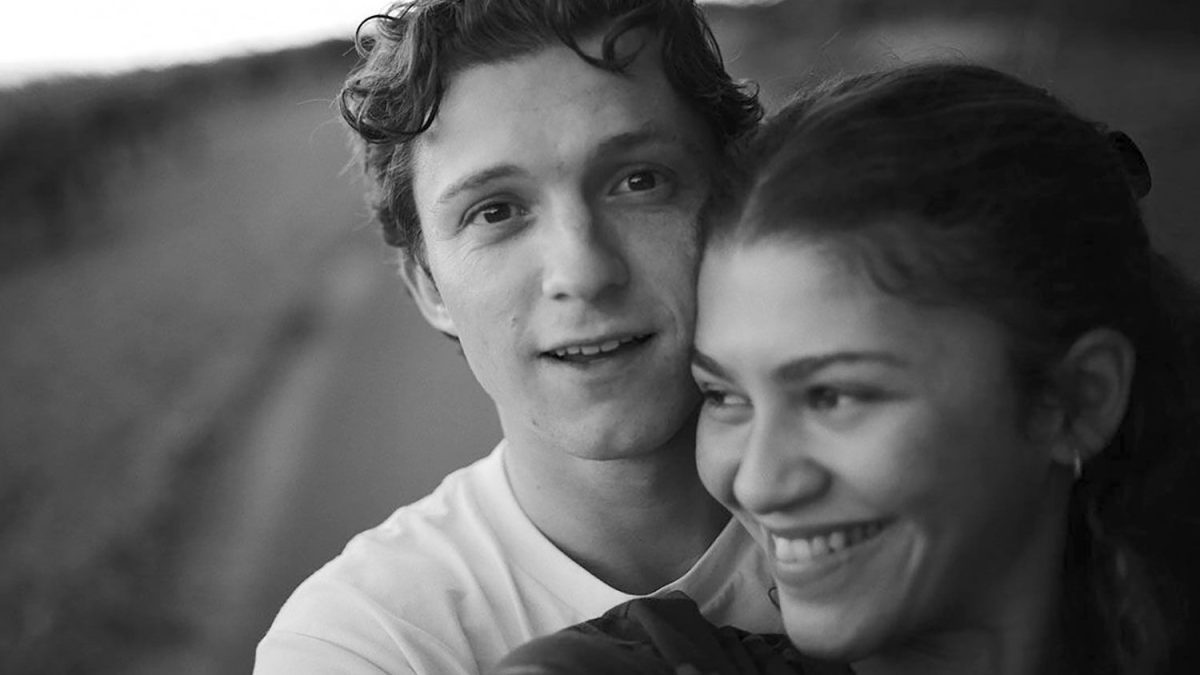
But while Kirsten Dunst’s Mary Jane from the Raimi films does play like a damsel frequently in distress – she’s climactically endangered for three movies in a row, and Raimi’s take on gender roles is not exactly forward-thinking – she does have her own hopes, dreams and disappointments. Her feelings are a big part of what drives the emotional core of the much-maligned, underrated Spider-Man 3, just as Peter’s feelings for her drive the action for the first film. In the new movies, the evolving relationship between Peter and MJ (Zendaya, Holland’s real-life spouse) is rarely far from the centre of the film.
Hell, the obvious affection between Garfield’s Spider-Man and Emma Stone’s Gwen Stacy is just about the only thing that makes the abruptly curtailed Amazing Spider-Man movies watchable (and the comics-accurate death of Gwen at the end of the second film probably helped doom it with audiences; it’s a colossal and unearned-feeling downer to kill off your superstar female lead in just the second film).
It doesn’t feel like a coincidence that all three live-action Spider-Man actors dated their co-stars at some point; these are superhero movies that reboot and reconfigure and recast, but never fully dispense with romance. At first, that was very much part of the MCU at large; the first two Iron Man movies run on screwball-adjacent byplay between Tony Stark (Robert Downey Jr) and Pepper Potts (Gwyneth Paltrow). But as romance leached out of the MCU following Phase One, replaced with weirdly businesslike allusions to off-screen hookups and breakups, Spider-Man remained at least a little bit lovelorn, perhaps reminding audiences of a crucial human angle missing from big-scale smash-em-ups.
It’s not just the love stories that continually draw audiences to Spider-Man, of course. The character has long resonated as a keen fusion of longtime DC titans Superman and Batman: he’s got the diverse (and potentially playful) power set like Superman, paired with a Clark Kent-like humble-nerd identity; and the relatable angst of Batman, who of course has no fantastical powers and, as such, bumps up against his human limitations. He wasn’t the first Marvel hero, but he’s probably the archetypal one, mixing in more overt teen melodrama in an era where Superman was flying further into sci-fi territory.
Adapting Spider-Man into other media has only increased his cachet; toddlers are now routinely shown Spidey and His Amazing Friends, a sort of Marvel version of Paw Patrol that gets them hooked on a version of that mythos early, via Disney+. Yet another Spider-Man advantage, though, is very much the opposite of Disney-umbrella synergy: the movie rights for the character have stayed with Sony since the first film.
That’s a big part of why there have been three different Spider-Man actors; Sony has to keep making movies to hang on to the characters. (That’s also why a whole bunch of negligible movies about tertiary Spider-verse characters like Madame Web exist.) Disney’s Marvel Studios still deserves credit for the recent successes; they produce the Holland movies, which are in continuity with their other projects. But there’s still probably some manner of negotiation in terms of their timing and, at least with Brand New Day, maybe their creative direction. Holland has told the press that his experience making The Odyssey inspired him to push for a more disciplined approach to Marvel’s assembly line. For her part, Zendaya seems to have brought in Justin Kuritzkes, screenwriter for her film Challengers, to punch up some of the character work. (He receives an “additional literary material” credit.)