Advertisement
Why knowing your family’s cancer history matters
22nd September, 2026 10:38 PM
Cancer is often discussed as something that happens unexpectedly, but your family history can provide important clues about your risk.
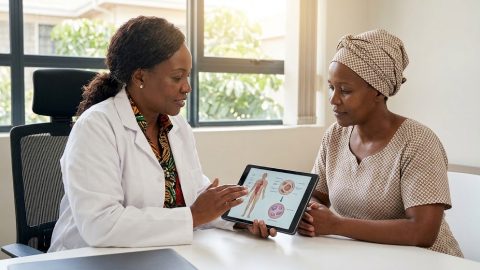
Knowing whether close relatives have had cancer can help you and your doctor understand your health risks and decide whether you may need certain screening tests or genetic counselling.
Your family history can reveal your risk
You share genes, lifestyle habits and, in some cases, environmental exposures with your relatives. This means that having certain cancers in the family can sometimes increase your own risk.
For example, having a close relative with breast, ovarian, uterine or colorectal cancer may be important information for your doctor. The risk may be of greater concern when several close relatives have had the same or related cancers, or when someone was diagnosed at a younger age.
However, having a relative with cancer does not mean you will necessarily develop the disease. The National Cancer Institute notes that family history is one of several factors that can affect cancer risk, alongside age, lifestyle and environmental exposures.
That is why knowing your family history is not about living in fear. It is about giving your doctor more information to work with.
What you should find out from your family
Start by talking to close blood relatives on both your mother’s and father’s sides of the family.
Find out who has had cancer, the type of cancer they had and approximately how old they were when they were diagnosed. Information about relatives who have died can also be useful, including their cause of death and age at death.
The CDC recommends sharing whatever family history you know with your healthcare provider, even if the information is incomplete. It can help determine which screening tests may be appropriate and when they should begin.
In some cases, a strong family history may lead a doctor to recommend genetic counselling. Genetic counsellors can assess your personal and family history and help determine whether genetic testing is appropriate.
It is also important to remember that an inherited cancer-related genetic change does not automatically mean a person will develop cancer. It can increase the risk, which is why professional assessment is important before making decisions based on genetic information.
A simple conversation with your parents, siblings, grandparents, aunts and uncles about illnesses in the family could therefore provide information that may be useful for your health today and in the future.