Advertisement
What the world’s oldest people eat
25th May, 2026 12:49 PM
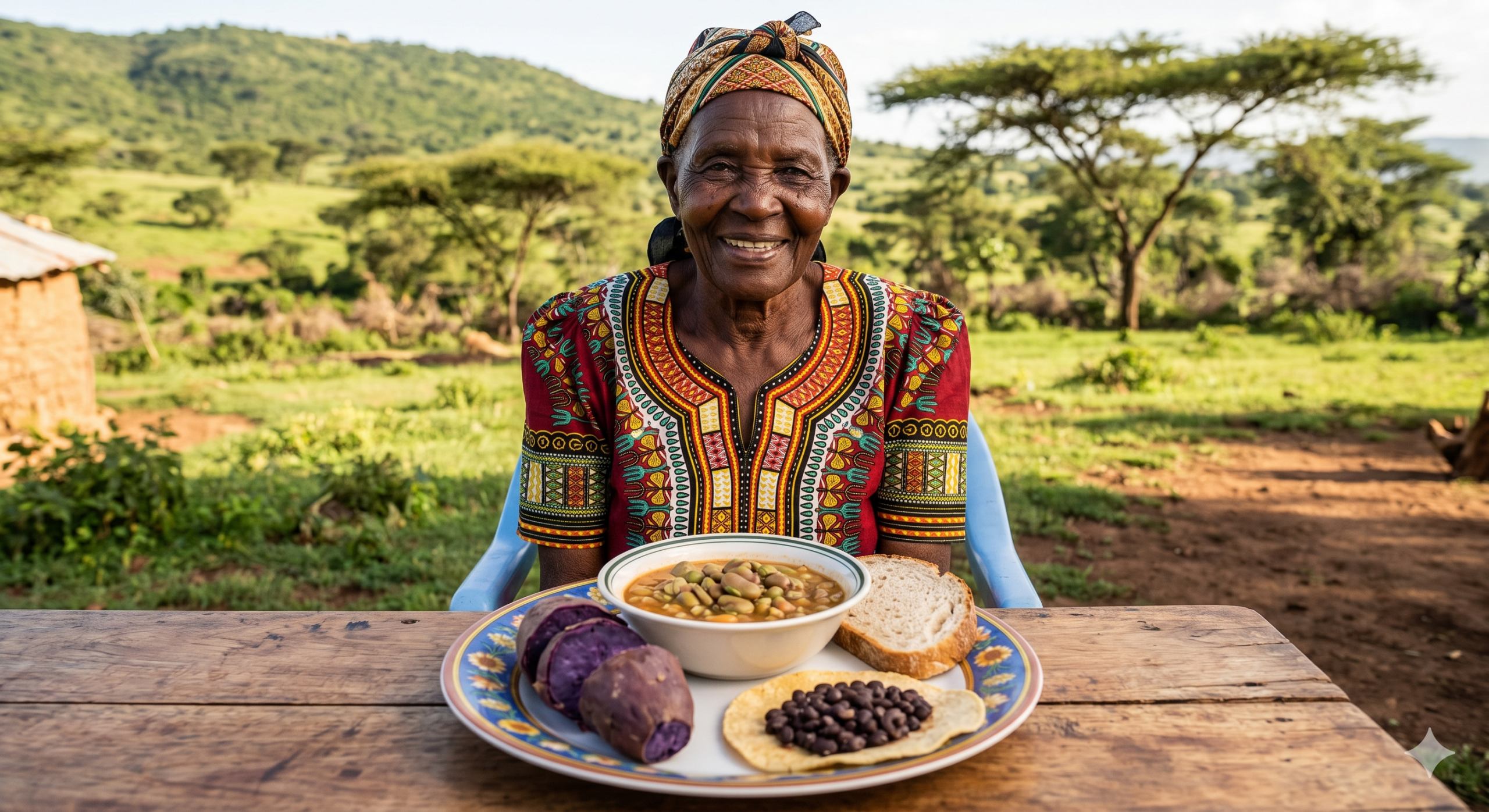
They live past 100, stay sharp, stay mobile, and mostly stay out of hospitals.
The world’s centenarians (concentrated in places like Okinawa in Japan, Sardinia in Italy, and Nicoya in Costa Rica) do not eat by modern diet-industry standards. They eat simply. And that simplicity, researchers are increasingly convinced, is the whole point.
A 2024 review published in GeroScience, which pooled findings from 34 studies on people aged 95 to 118 across multiple countries, found that “over 60 per cent consumed a diverse diet, and less than 20 per cent preferred salty food, contributing to lower mortality risks and functional decline.”
The same research noted that 78 per cent of these individuals lived in rural areas – a detail that matters because rural eating still skews heavily towards whole, local, unprocessed food.
What they consistently eat
Plant foods dominate. Legumes, vegetables, whole grains, nuts, and fresh fruit appear across almost every long-lived community studied.
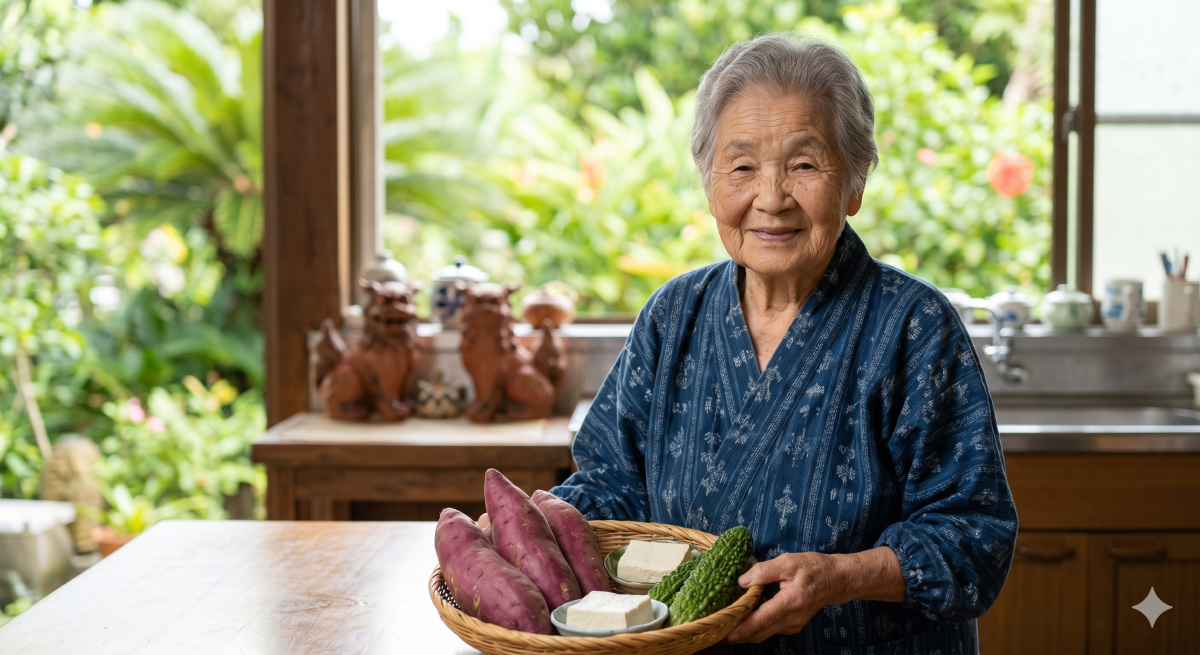
In Okinawa, the diet centres on sweet potato, tofu, bitter melon, and seaweed. In Sardinia, it is sourdough bread, fava beans, seasonal greens, and small portions of goat’s milk cheese.
Among the Seventh-day Adventist communities in Loma Linda, California (another longevity hotspot), nuts, pulses, and fruits form the core of daily meals.
A 2024 review in the Journal of Internal Medicine found that long-lived Blue Zone communities share a consistent set of habits: “plant-based eating, moderation in consumption, being physically active, and strong familial and social connections.”
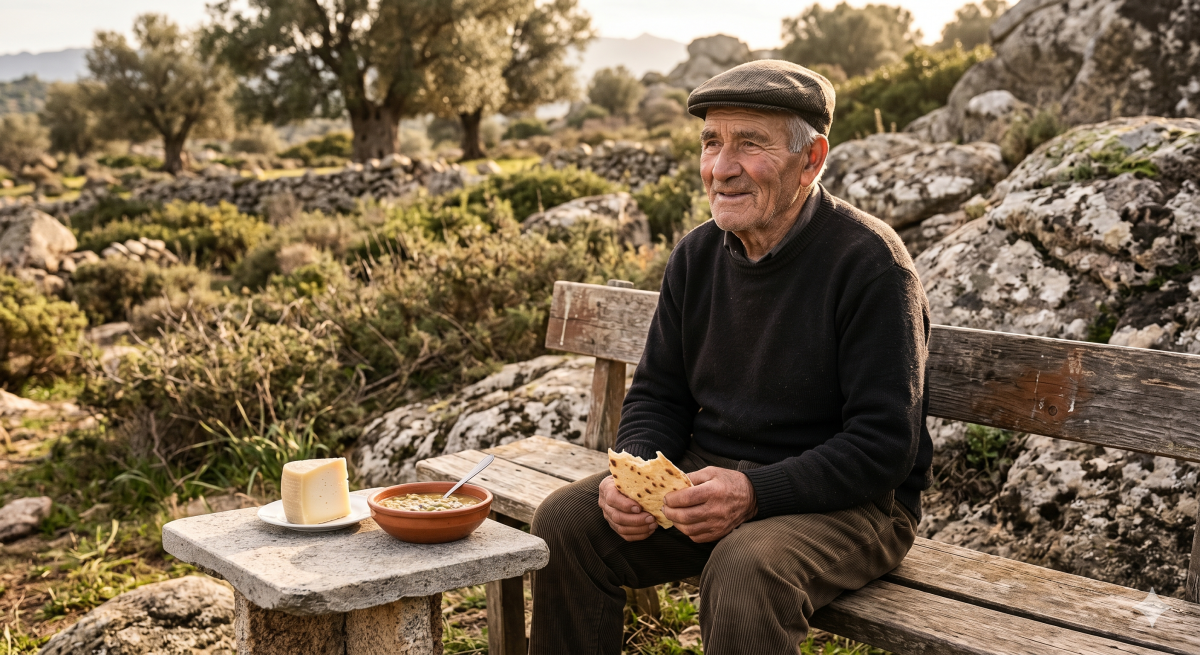
Animal protein features lightly. Fish appears more often than red meat. Dairy, where it exists, tends to be fermented (yoghurt, aged cheese) rather than liquid milk. Ultra-processed food, added sugar, and packaged snacks are largely absent.
What traditional diets already knew
There is a quiet argument in all of this against the direction of modern urban eating.
Many of the foods that centenarians rely on (fermented grains, bitter leafy vegetables, slow-cooked legumes) are foods that indigenous African, Asian, and Latin American communities have eaten for generations.
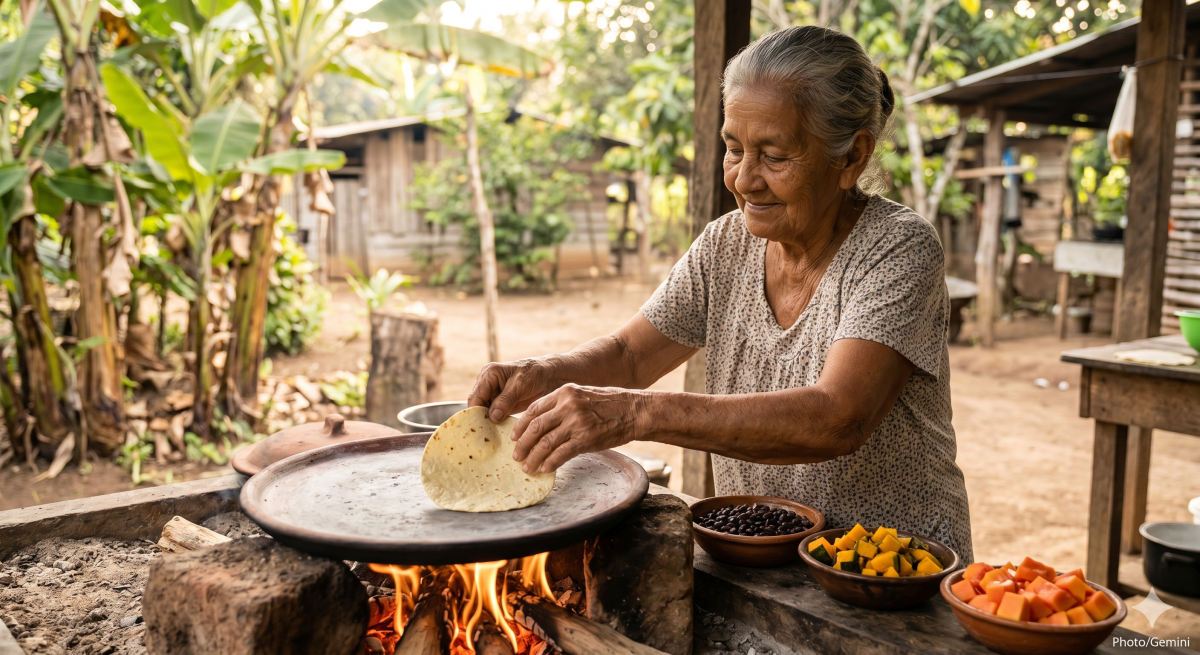
The shift to urban processed diets has not simply added convenience. In many cases, it has dismantled the nutritional architecture that supported long, healthy lives.
Sweet potato, fermented milk, organ meats eaten sparingly, leafy greens cooked in broth, all these are not exotic. In Kenya, they are not far from the table at all. The question is whether we still choose them.