Advertisement
Why Mediterranean diet works, and how Kenyans can adopt it
06th May, 2026 08:27 AM
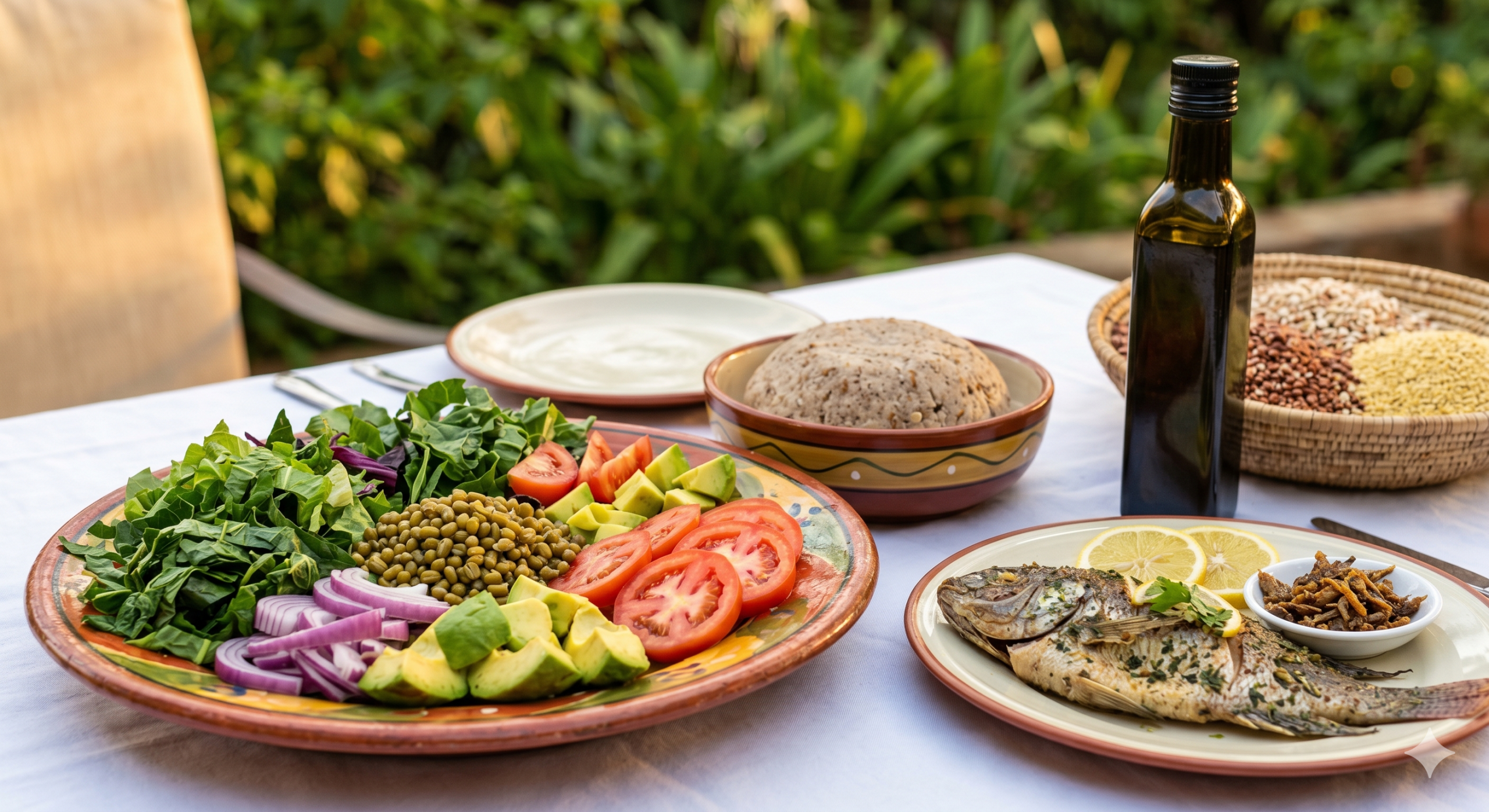
If you have spent any time on social media or wellness spaces lately, you have probably come across the Mediterranean diet.
It is showing up in nutrition podcasts, on food blogs and in weight loss conversations. But what is it, really? And does it live up to all the noise?
Short answer: yes, it does. And no, you do not need to import olive oil by the crate or develop a sudden love for pasta to follow it.
The Mediterranean diet is less a strict eating plan and more a lifestyle eating pattern drawn from the traditional food habits of countries bordering the Mediterranean Sea – think southern Italy, Greece, and Spain.
At its core, it is built on consumption of vegetables, fruits, whole grains, legumes, nuts, and healthy fats, with fish and seafood eaten regularly, dairy and poultry in moderation, and red meat kept to a minimum.
The eating style is also big on how you eat, not just what: meals are leisurely, social affairs, rarely rushed.
What the science actually says
The research behind the Mediterranean diet goes well beyond heart health, though that is where some of the strongest evidence sits.
A study published in BMC Medicine by Newcastle University researchers tracked over 60,000 people for nearly a decade and found that those who followed a Mediterranean-style eating pattern had up to a 23 per cent lower risk of developing dementia than those who did not.
This held even after accounting for genetic risk. Lead researcher Oliver Shannon concluded that “consuming a more Mediterranean-like diet could reduce the likelihood of developing dementia.”
A 2025 systematic review published in Nutrients drew similarly broad conclusions, finding that the diet “provides significant benefits in preventing and managing various chronic diseases”, from cardiovascular disease and diabetes to certain cancers and bone loss.
The diet’s anti-inflammatory properties appear to be a key driver.
Foods like olive oil, oily fish, nuts, and dark leafy vegetables are rich in compounds that dampen chronic inflammation – the slow, silent process that underlies most of today’s major non-communicable diseases.
How to eat it using East African ingredients
The Mediterranean diet is far more adaptable than it looks. You only need the principles, and not necessarily feta cheese or kalamata olives.
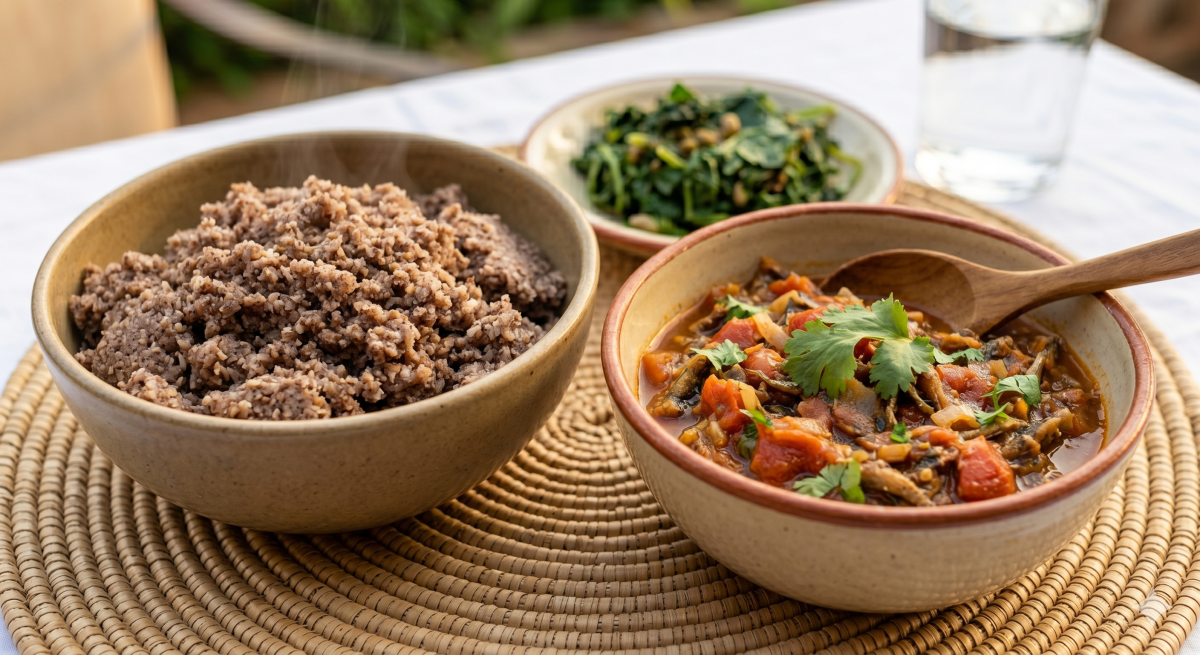
Swap refined white rice for brown rice, sorghum, millet, or ugali made from whole-grain maize flour.
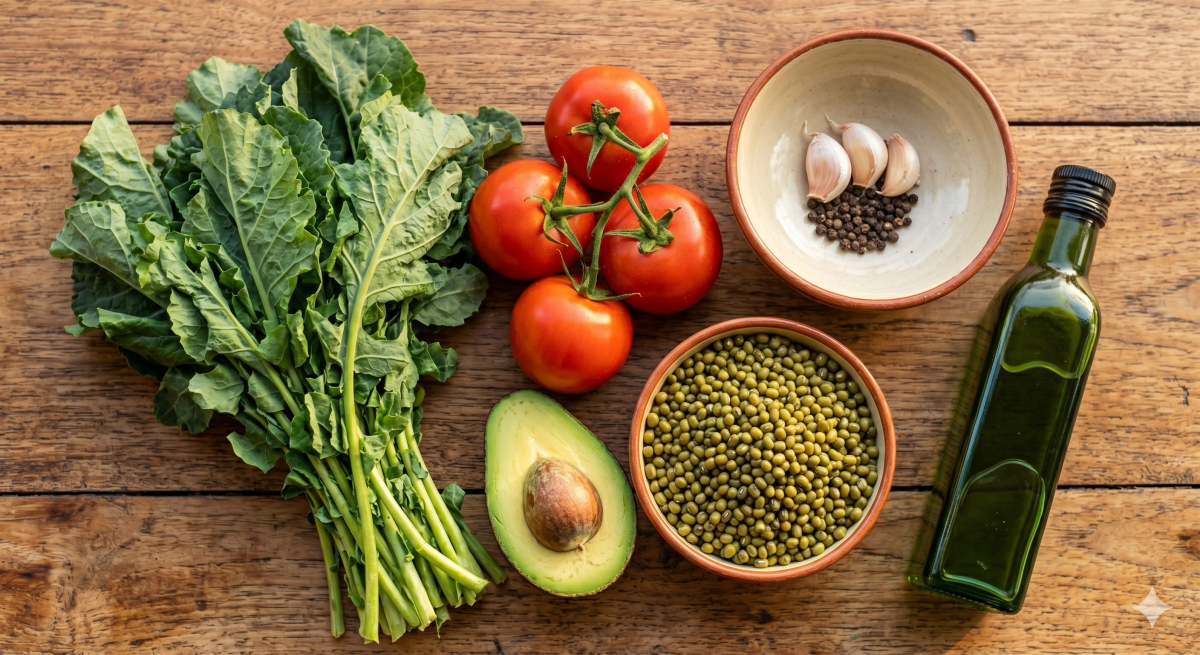
Replace imported lentils with what is already at your local market – ndengu (green grams), njahi (black-eyed beans), and kunde (cowpeas) all qualify and are nutritionally excellent.
Instead of salmon, lean on tilapia, or omena (the small, sun-dried fish from Lake Victoria, also known as dagaa), which are all rich in omega-3 fatty acids and remarkably affordable.
Olive oil is the gold standard, but avocado oil is a strong alternative. Kenya is one of the world’s top avocado producers, making it increasingly accessible.
Dark leafy greens? Sukuma wiki (kale) is arguably more nutritious than many of the greens in a traditional Mediterranean meal.
Add tomatoes, onions, and garlic – all of which are cornerstones of both East African cooking and the Mediterranean eating pattern.