Advertisement
Gut-friendly foods you should add to your diet
01st April, 2026 10:21 PM

A healthy gut is the foundation of overall well-being. It plays a key role in digestion, immunity, mental health, and even energy levels. The gut is home to trillions of microorganisms, collectively known as the gut microbiome, that help break down food, absorb nutrients, and protect the body from harmful bacteria.
To keep this system functioning optimally, it is essential to include gut-friendly foods in your daily diet.
Probiotics
One of the most important categories of gut-friendly foods is probiotics. These are live beneficial bacteria that help maintain a healthy balance in the gut. Fermented foods are excellent sources of probiotics.
Foods like yoghurt, kefir, sauerkraut, kimchi, and fermented milk products introduce good bacteria into the digestive system. Regular consumption of these foods can improve digestion, reduce bloating, and strengthen immunity.
Prebiotics
Equally important are prebiotic foods, which act as food for the good bacteria in your gut. Without prebiotics, probiotics cannot thrive. Prebiotic-rich foods include bananas, onions, garlic, leeks, asparagus, and whole grains like oats.
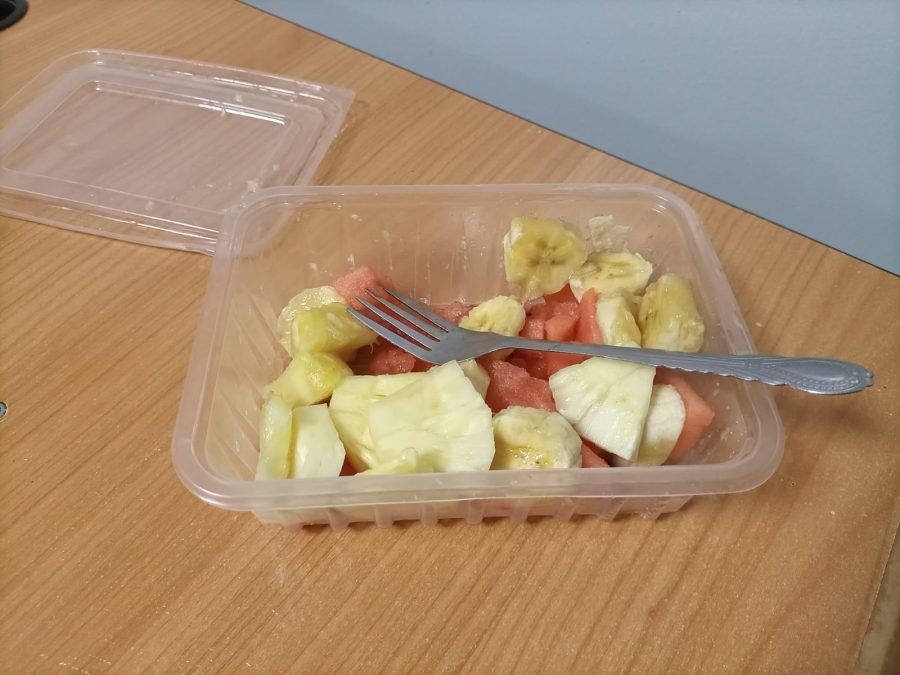
These foods contain dietary fibre that nurtures beneficial bacteria, helping them grow and function effectively.
Fibre
Fibre, in general, is essential for gut health. High-fibre foods support regular bowel movements and prevent constipation. Fruits such as apples, pears, and berries, as well as vegetables like broccoli, carrots, and spinach, are excellent sources of fibre.
Legumes such as beans, lentils, and chickpeas also provide both fibre and plant-based protein, making them a powerful addition to a gut-friendly diet.
Healthy fats
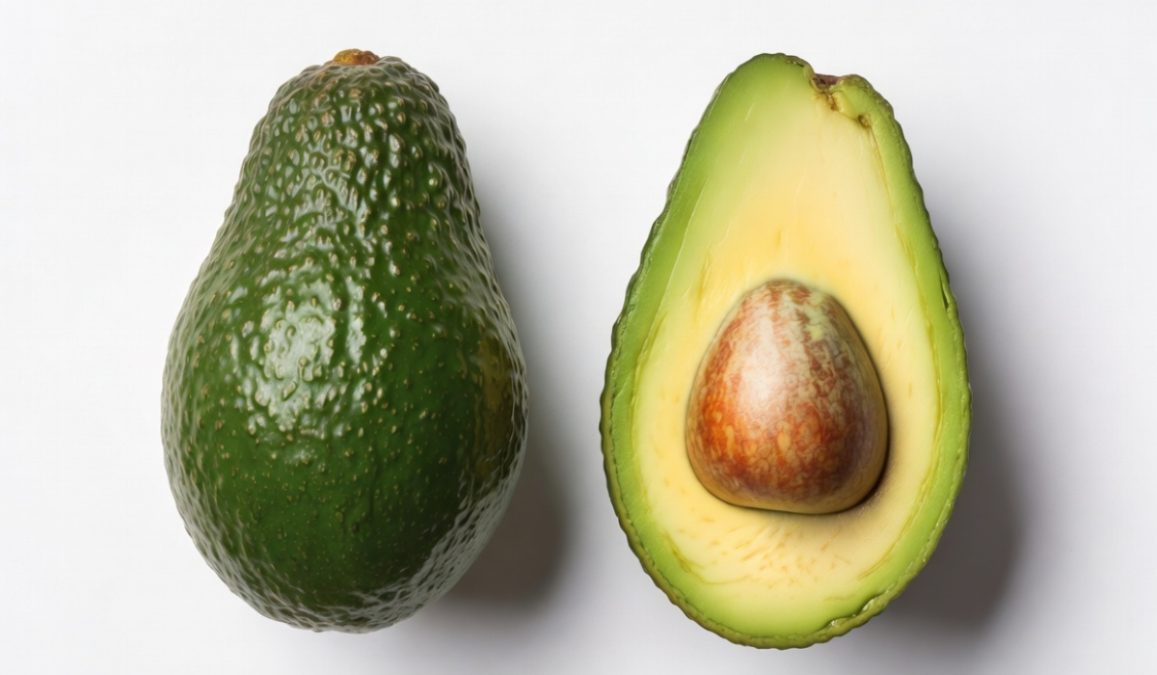
Another group of foods that benefit gut health is healthy fats, particularly those rich in omega-3 fatty acids. These fats have anti-inflammatory properties that help maintain a balanced gut environment.
Foods such as avocados, nuts, seeds, and fatty fish like salmon and sardines are great sources. Including these in your meals can support both gut and heart health.
Hydration
Hydration is often overlooked but is crucial for maintaining a healthy gut. Adequate water intake aids in food breakdown and facilitates efficient nutrient absorption. It also supports the movement of waste through the digestive tract, preventing constipation and discomfort.
While adding gut-friendly foods is important, it is equally essential to reduce foods that harm the gut.
Highly processed foods, excessive sugar, and unhealthy fats can disrupt the balance of gut bacteria and lead to digestive issues. Limiting these foods while focusing on whole, natural options can make a significant difference.