Advertisement
The best foods to help keep your blood sugar stable
09th June, 2026 10:08 AM
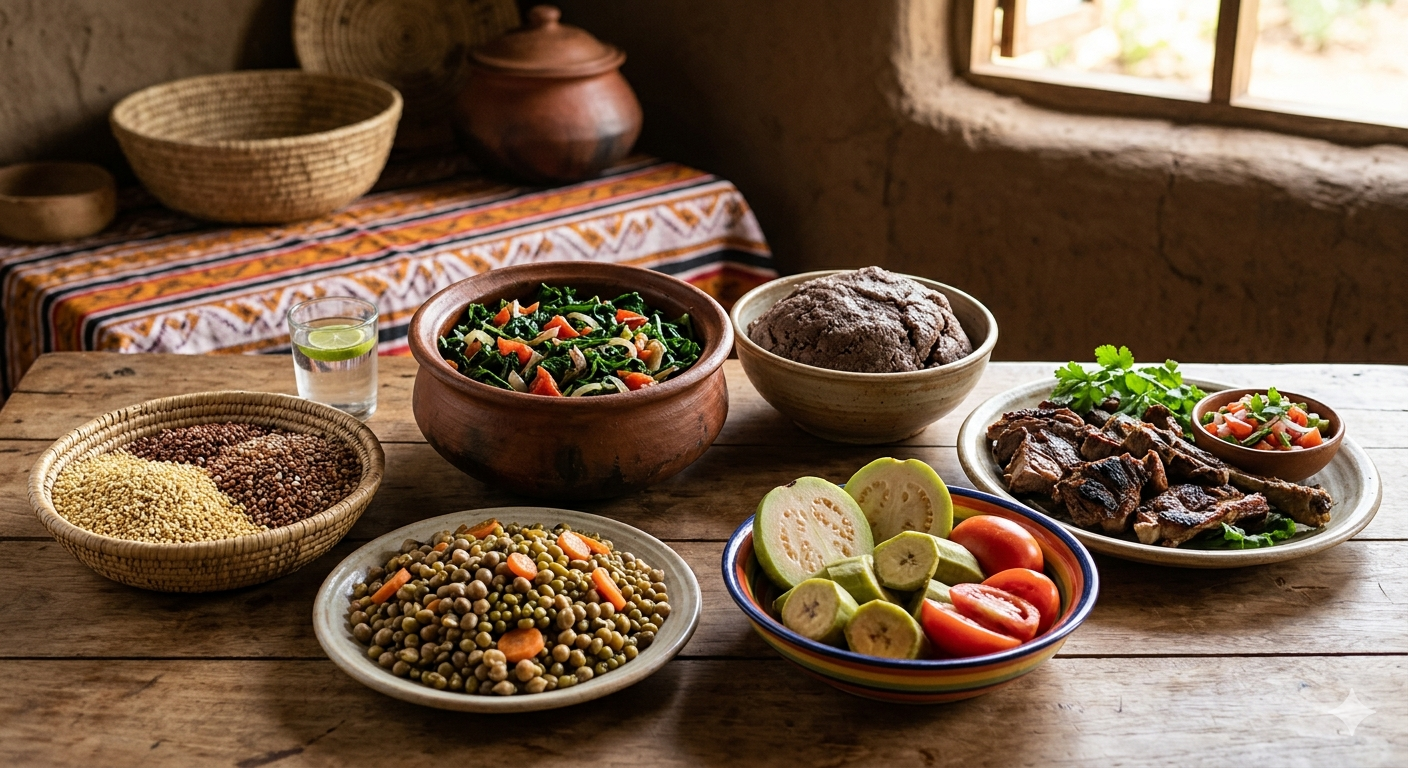
Keeping blood sugar levels stable is important for overall health, energy balance, and long-term well-being. When blood sugar rises and falls too quickly, it can lead to fatigue, cravings, and difficulty concentrating. The solution is not about cutting out entire food groups, but rather choosing foods that release energy slowly and steadily. According to the World Health Organisation, these foods are usually rich in fibre, healthy fats, and complex carbohydrates.
Whole grains for slow energy release
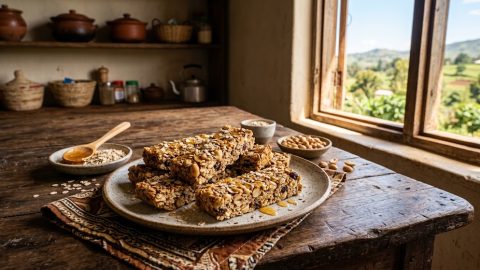
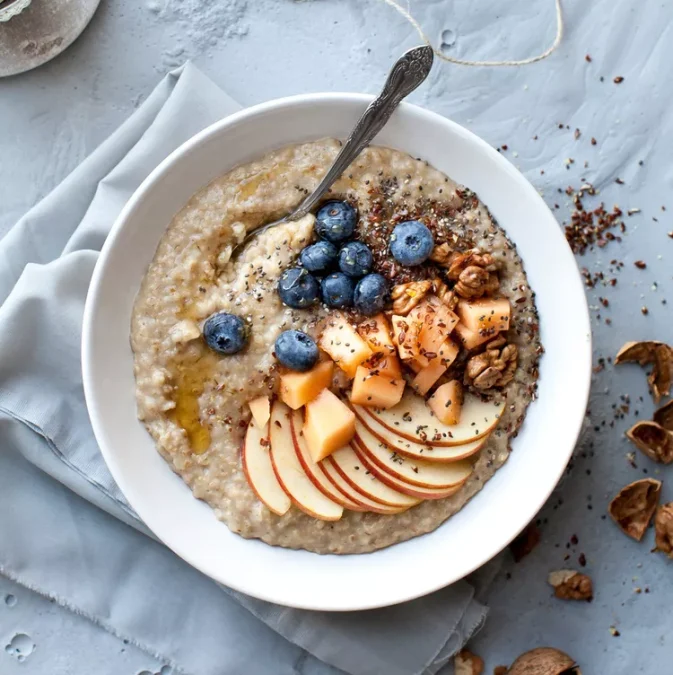
Research from the nutrition experts stated that whole grains are among the most reliable foods for maintaining stable blood sugar levels. Foods such as oats, brown rice, quinoa and whole wheat bread contain complex carbohydrates and fibre that slow down digestion. This helps prevent sudden spikes in blood glucose after meals.
Oats, in particular, are often recommended because they contain beta-glucan, a type of soluble fibre that improves glucose response and keeps one feeling full for longer. Swapping refined grains for whole grains is a simple but effective dietary adjustment.
Legumes that support steady glucose levels
Beans, lentils and chickpeas are powerful additions to a blood sugar-friendly diet. They are rich in plant-based protein and fibre, which together slow the absorption of sugar into the bloodstream.
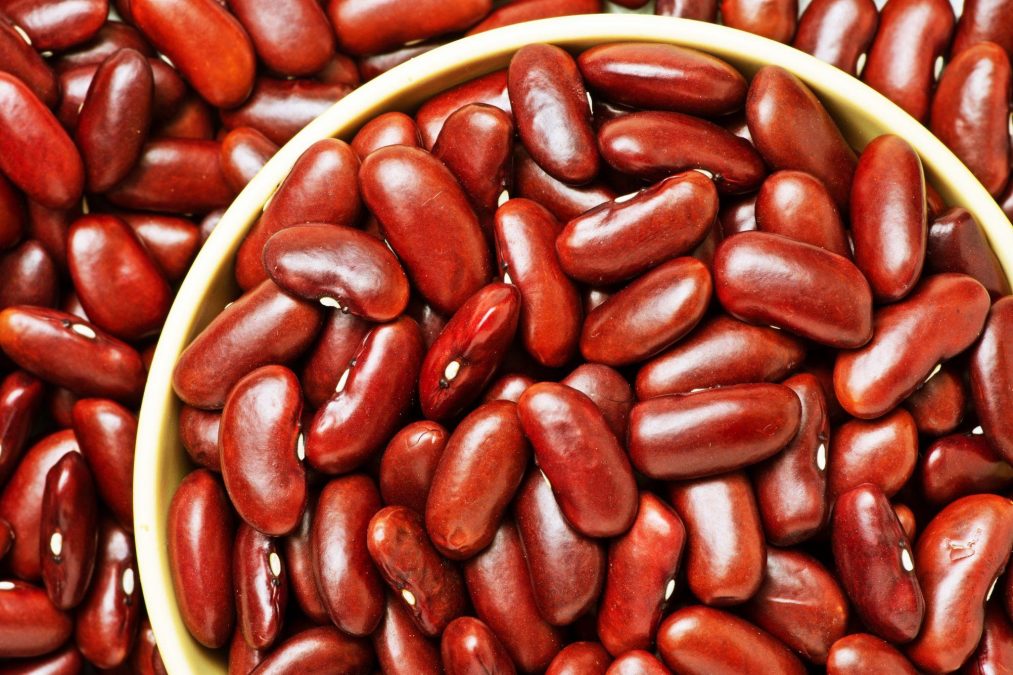
Their low glycaemic index means they release energy gradually, helping to avoid the sharp peaks and crashes associated with highly processed foods. Regular consumption of legumes is also linked to improved heart health and better digestive function.
Fruits and vegetables with natural balance
Not all carbohydrates affect the body in the same way. Fruits such as apples, berries and pears are good options because they contain fibre that helps regulate sugar absorption. Berries, in particular, are low in natural sugars compared to other fruits and are packed with antioxidants.
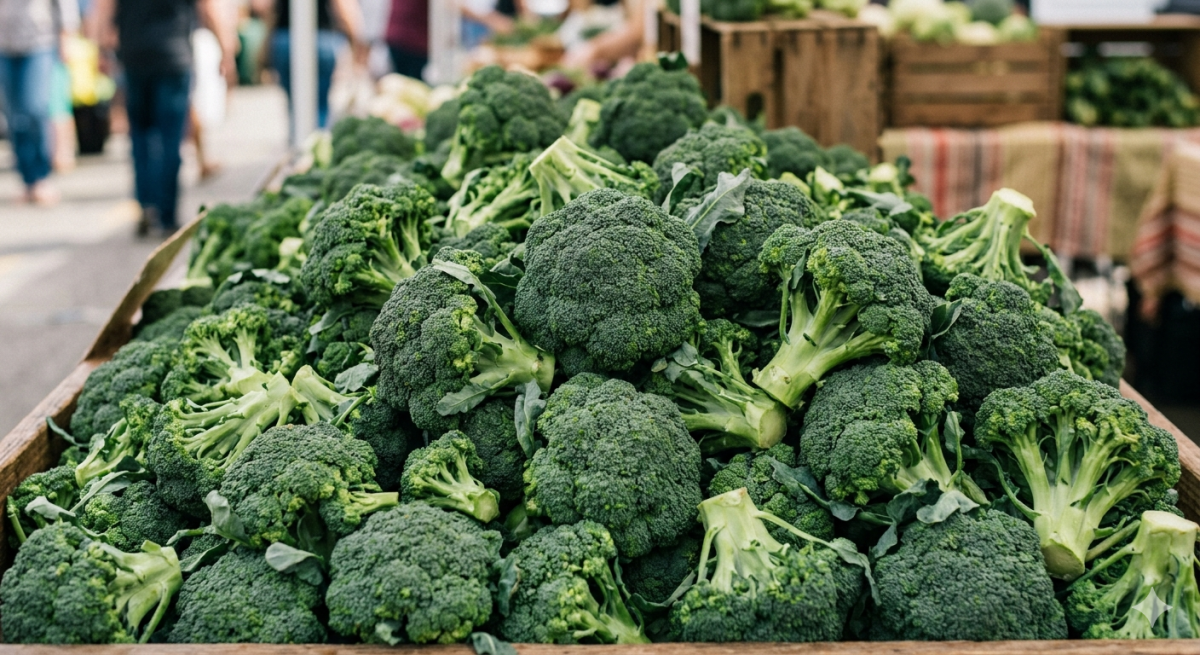
Non-starchy vegetables like spinach, kale, broccoli and cucumbers also play a key role. They are low in carbohydrates but high in fibre and nutrients, making them ideal for balancing meals and supporting overall metabolic health.
Healthy fats, proteins and smart additions
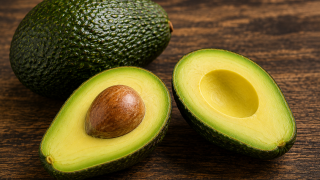
Healthy fats from avocado, nuts and seeds help slow down digestion and improve satiety. Almonds, walnuts and chia seeds are especially beneficial as they combine fibre, protein and good fats in one serving.
Unsweetened yoghurt is another useful food, providing protein and probiotics that support gut health, which is increasingly linked to blood sugar control.
Spices such as cinnamon are also often included in discussions around blood sugar management. Studies from Mayo Clinic suggest it may help improve insulin sensitivity when used as part of a balanced diet, although it should not be relied upon as a stand alone solution.
Maintaining stable blood sugar is largely about consistency and balance. Meals that combine fibre, protein and healthy fats tend to slow digestion and support steady energy levels. Simple changes, such as choosing whole grains over refined options or adding nuts to snacks, can make a noticeable difference over time.