Advertisement
Reasons why porridge or oatmeal makes you hungry faster
03rd June, 2026 09:18 AM

Porridge and oatmeal are widely considered filling breakfast options, yet some people report feeling hungry shortly after eating them. One explanation lies in how the oats are processed and prepared.
Fast-digesting oats and early hunger
Instant oats and finely milled oatmeal break down quickly in the body, leading to a faster release of glucose into the bloodstream. This can cause a short burst of energy followed by a drop, which may trigger hunger sooner than expected.
Traditional porridge made from less processed oats, such as rolled or steel-cut oats, tends to digest more slowly because of its higher fibre structure. However, when oats are overcooked or prepared with too much liquid, the texture becomes softer and easier to break down, which may reduce the feeling of fullness.
This is why two bowls of porridge made from different types of oats can have very different effects on appetite.
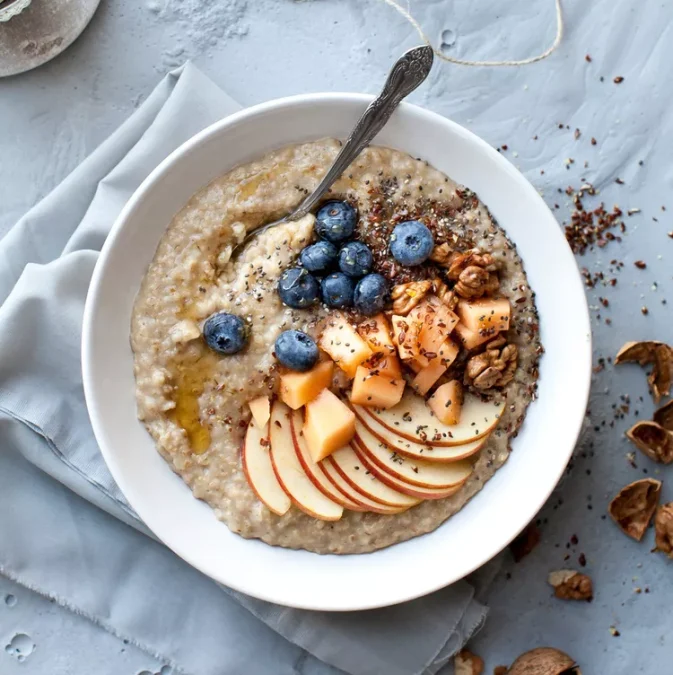
What you add to your bowl matters
Another major factor is what porridge or oatmeal is eaten with. On its own, oats mainly provides carbohydrates. While carbohydrates supply energy, they do not always keep hunger away for long if protein, fats, or additional fibre are missing.
According to a nutrition expert, a plain bowl of porridge made with water and a small portion of oats may leave the stomach quickly. In contrast, adding ingredients such as milk, yoghurt, nuts, seeds, or nut butter can slow digestion and help maintain fullness. These additions introduce protein and healthy fats, which are known to increase satiety and reduce the speed at which food leaves the stomach.

Even sweeteners can play a role. Adding sugar or honey may cause a quicker spike in blood sugar, especially when the meal is already low in protein. This can contribute to feeling hungry again, not long after breakfast. Balanced combinations tend to work better for sustained energy throughout the morning.
Individual differences and eating patterns
Not everyone responds to porridge or oatmeal in the same way. Factors such as metabolism, activity levels, sleep quality, and even stress can influence how long a meal keeps someone satisfied. Reports from the National Health Service stated that people who are physically active or who have had a long gap between meals may naturally feel hungrier sooner, regardless of what they eat.
Portion size is another important consideration. A small serving of porridge may not provide enough energy for the morning, especially for those with demanding schedules. Eating speed also matters, as the brain takes time to register fullness signals from the stomach.

Preparation style can also influence satiety. In some cases, traditional porridge made slowly with whole oats and milk tends to be more filling than quick instant oatmeal sachets. The difference often comes down to fibre content and how much the oats have been processed.
Porridge and oatmeal remain nutritious breakfast choices, but their ability to keep hunger away depends on how they are prepared, what they are paired with, and individual body needs. Choosing less processed oats and adding protein or healthy fats can make a noticeable difference in how long fullness lasts.