Advertisement
Storage mistakes that make tomatoes lose flavour faster
22nd May, 2026 03:39 PM
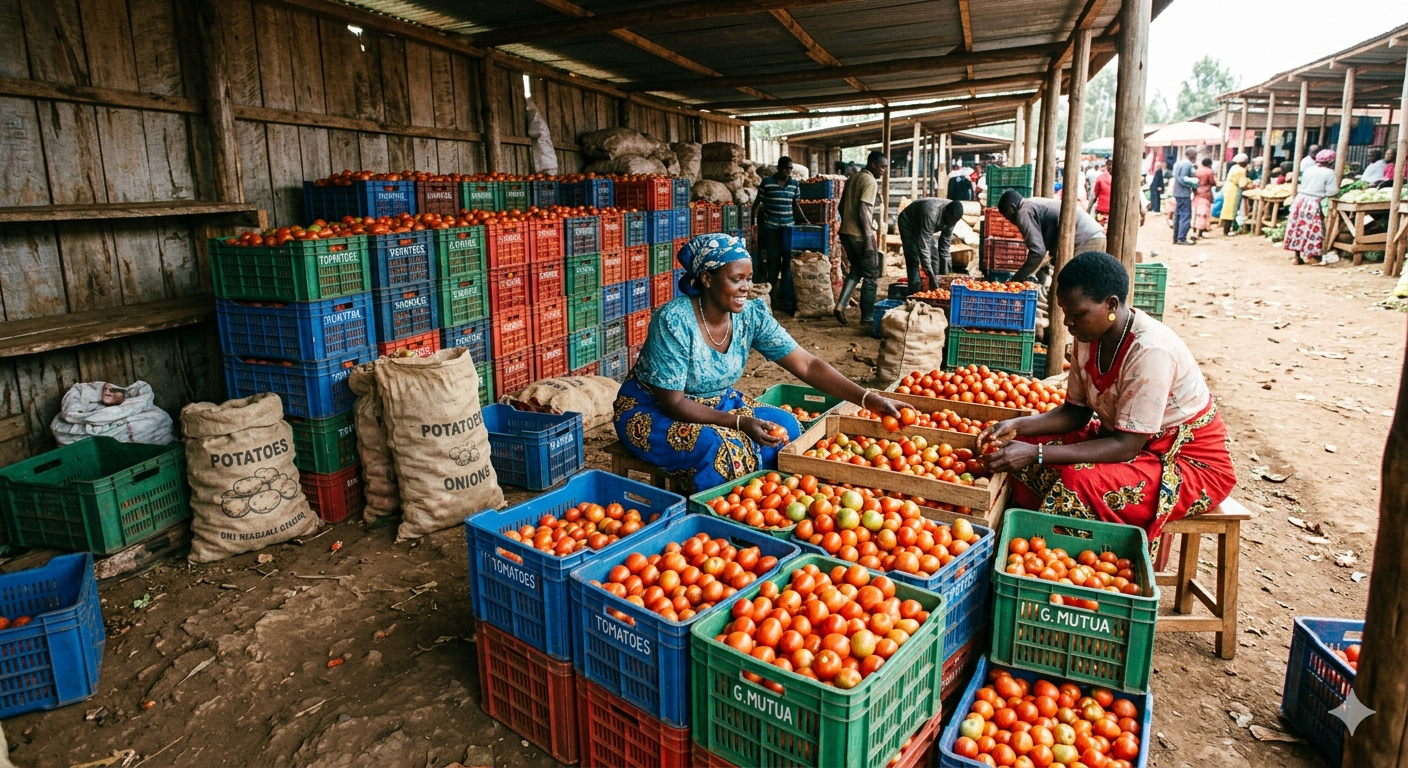
Tomatoes are among the most used ingredients in many Kenyan kitchens. Whether sliced into salads, cooked into stew, or blended into sauces, they are valued for their rich taste and freshness. But while many people buy fresh tomatoes hoping they will last longer at home, the way they are stored often does the opposite.
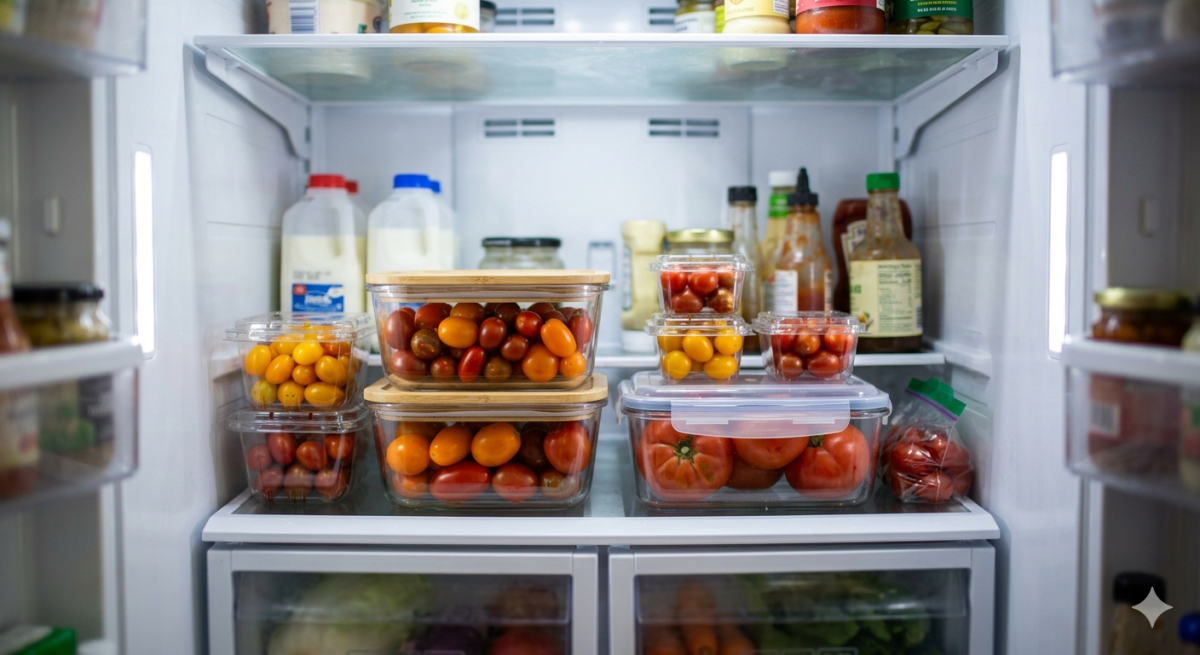
One of the most common mistakes is putting tomatoes straight into the refrigerator. While cold storage may seem like the best way to preserve food, experts say it can quickly affect the texture, smell, and flavour of tomatoes.
Why cold temperatures affect tomatoes
Tomatoes are sensitive to temperature changes because they continue ripening even after harvesting. According to information shared by the Kenya Agricultural and Livestock Research Organization, fresh produce stored under unsuitable temperatures can lose quality much faster due to interrupted ripening processes.
The cold damages the membranes inside the fruit, causing tomatoes to become mealy, watery, and less flavorful. Refrigeration slows down the natural chemical reactions responsible for aroma and sweetness.
“Cold temperatures interfere with the compounds responsible for the natural flavour and aroma of tomatoes,” a food expert noted. This explains why tomatoes removed from the fridge often feel soft on the outside but taste bland when cooked or eaten raw.
The best way to store tomatoes
Experts recommend keeping unripe or freshly bought tomatoes at room temperature, away from direct sunlight. A kitchen counter, open basket, or well-ventilated area is often enough to help them ripen naturally while maintaining their flavor.
According to advice from the Ministry of Agriculture and Livestock Development, Kenya, proper ventilation during storage helps reduce spoilage in fruits and vegetables by preventing excess moisture buildup.
Tomatoes should also be placed stem-side down. This reduces moisture loss and prevents air from entering through the stem scar, helping them stay fresh for longer.
Once tomatoes become very ripe, and there is concern they may spoil quickly, refrigeration can still help slow down rotting. However, experts advise removing them from the fridge about 30 minutes before cooking or eating so they can regain some of their natural texture and aroma.
Small habits that make a big difference
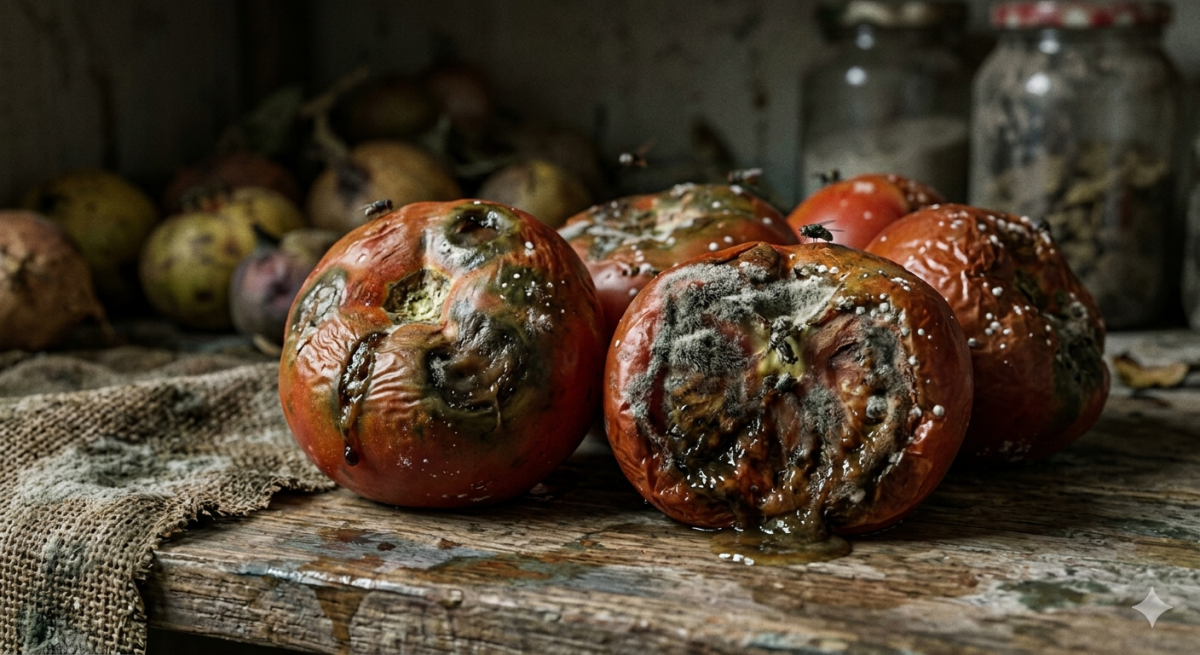
Another common mistake is storing tomatoes in sealed plastic bags. Lack of airflow traps moisture, encouraging mold and soft spots to develop faster. Washing tomatoes before storage can also shorten their shelf life because excess moisture speeds up spoilage.
Consumers should store fresh produce in dry, ventilated spaces and wash it only before use to reduce spoilage.