Advertisement
Kitchen hack: How a splash of vinegar ‘firms up’ egg whites for perfect poached eggs
16th August, 2026 09:21 PM
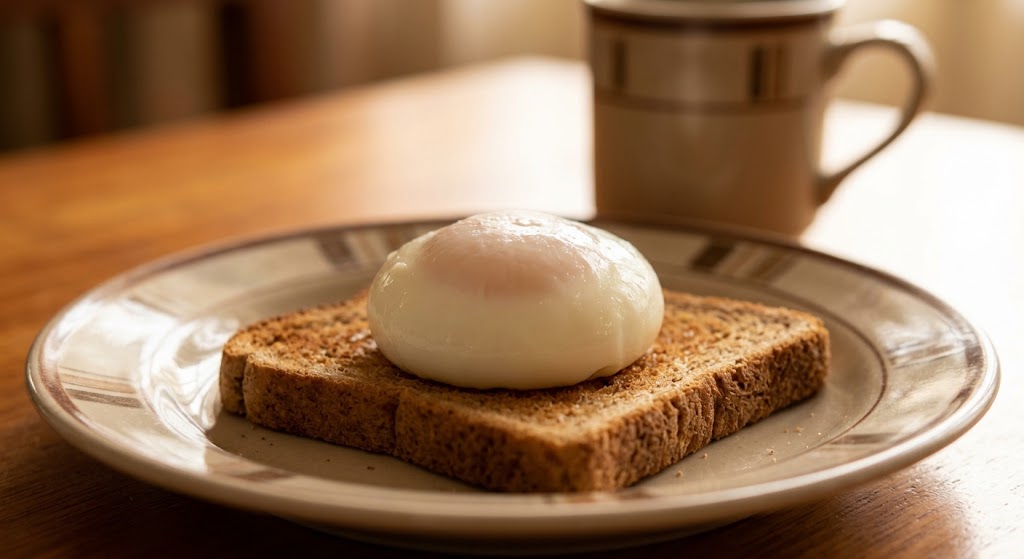
Poaching an egg at home often turns into a messy kitchen headache. The moment a fresh egg hits boiling water, thin strands of white usually split apart and float across the pot, leaving behind a ragged yolk.
Adding a small splash of white vinegar to the cooking water fixes this problem completely. Acid in the vinegar changes how egg whites react to heat, forcing them to hold together and wrap neatly around the yolk.
The science behind the vinegar trick
Raw egg white, or albumen, is made almost entirely of water and protein, mostly ovalbumin. In its raw state, these protein strands float loosely in liquid form.
Heat makes the strands unfold and tangle together, turning clear liquid into a solid white. In plain tap water, however, this reaction happens slowly.
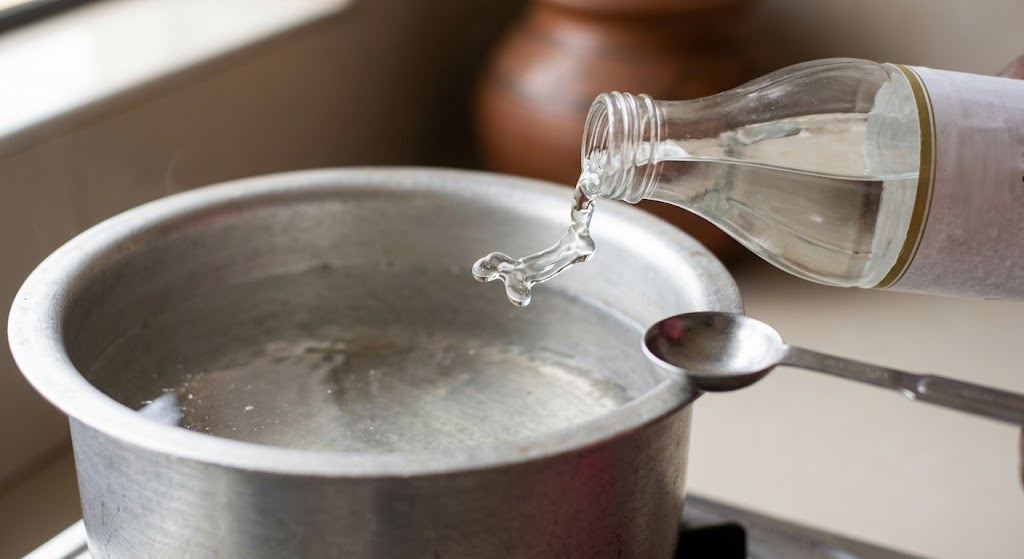
The liquid white spreads out across the pan long before it gets a chance to set.
Vinegar lowers the pH level of the cooking water, making it acidic. This sudden shift neutralises electrical charges on the proteins, making them clump together much faster.
In a study examining protein behaviour, researchers noted that “the pH and temperature-dependent protein unfolding forms the intermolecular linkage and causes aggregation.”
By speeding up this bonding process, acidic water forces the egg white to solidify immediately upon contact, sealing the yolk right in the centre.
How to poach eggs perfectly at home
Putting this science into practice takes only a quick tweak at the cooker. Stirring one to two tablespoons of ordinary white vinegar into a litre of water provides just enough acid without changing the taste of the egg.
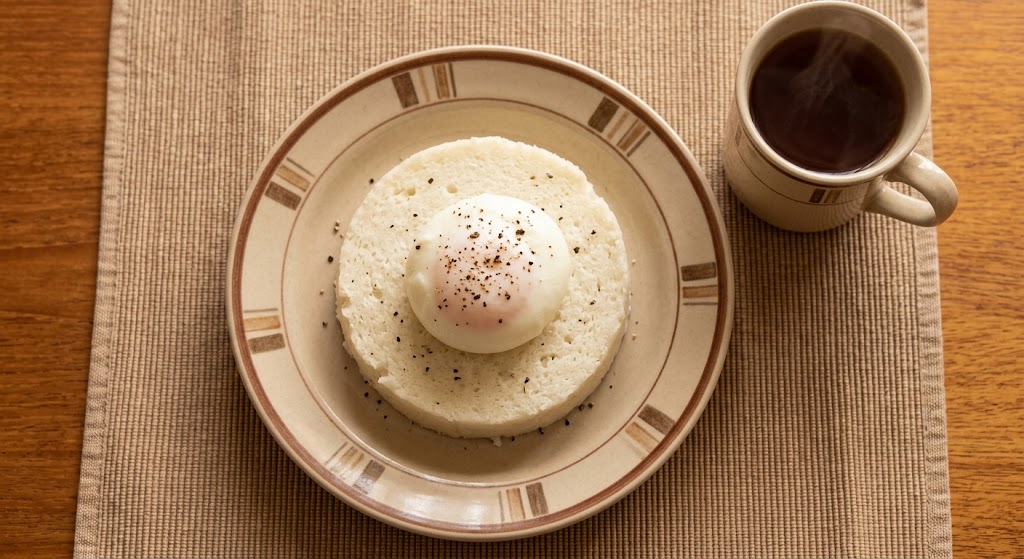
A standard bottle of white vinegar costs roughly Ksh150 in local supermarkets, making it a cheap kitchen solution.
For clean, rounded poached eggs, keep the water at a gentle simmer instead of a heavy boil. Strong bubbles tear delicate egg whites apart regardless of acidity.
Cracking the egg into a small cup first, then sliding it gently into the hot water, ensures a smooth shape every single time. A short cooking time of two to three minutes yields a firm white with a warm, runny yolk ready to serve.