Advertisement
How caramelisation happens when onions are slow-cooked
29th June, 2026 08:12 PM
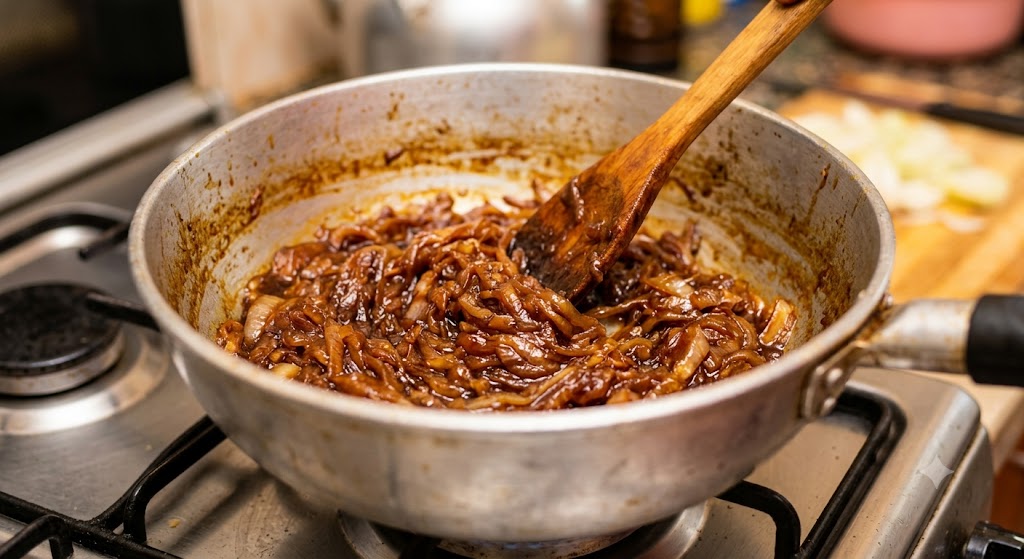
In almost every kitchen, a great stew, soup, or pilau starts exactly the same way: with onions in a hot sufuria. Yet, many cooks routinely rush this opening step.
It’s common to toss chopped onions into hot oil, stir them for five minutes until they look translucent, and quickly add the tomatoes. This haste builds the entire flavour structure of the dish on a broken foundation.
Turning a sharp, raw onion into a sweet, rich base is not a matter of luck; it requires a slow chemical shift that demands patience.
The thirty-minute timeline
Patience is necessary because a fresh onion is roughly 89 per cent water. Before any real browning can start, this moisture must evaporate from the plant cells. Rushing the process with high heat simply scorches the edges, creating a bitter taste instead of releasing natural sweetness.
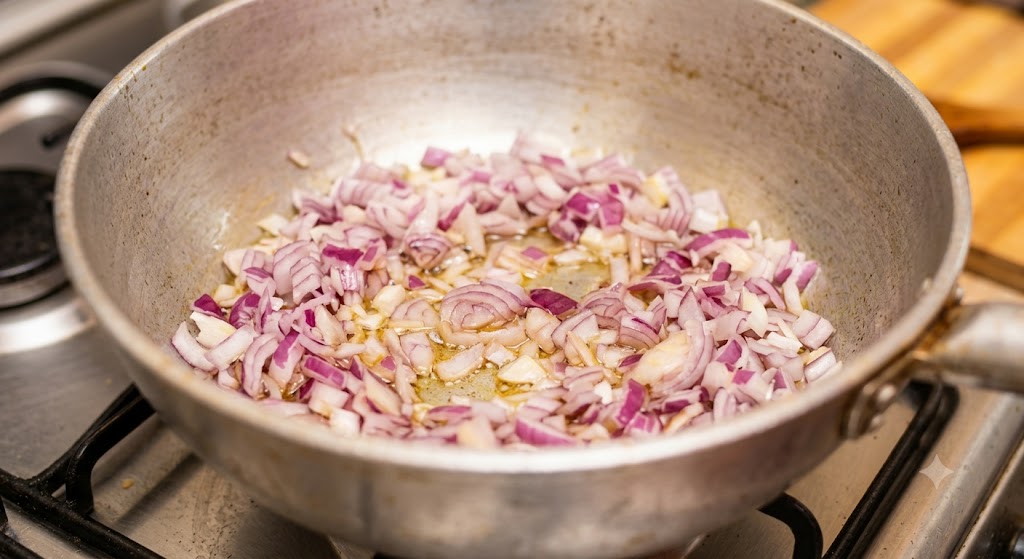
When cooked gently, the onion moves through stages. It first softens and turns clear, shifts to a pale yellow, and then slowly deepens into a rich, sticky amber glaze. This breakdown takes at least 30 to 45 minutes, a far cry from the five minutes allowed in rushed recipes.
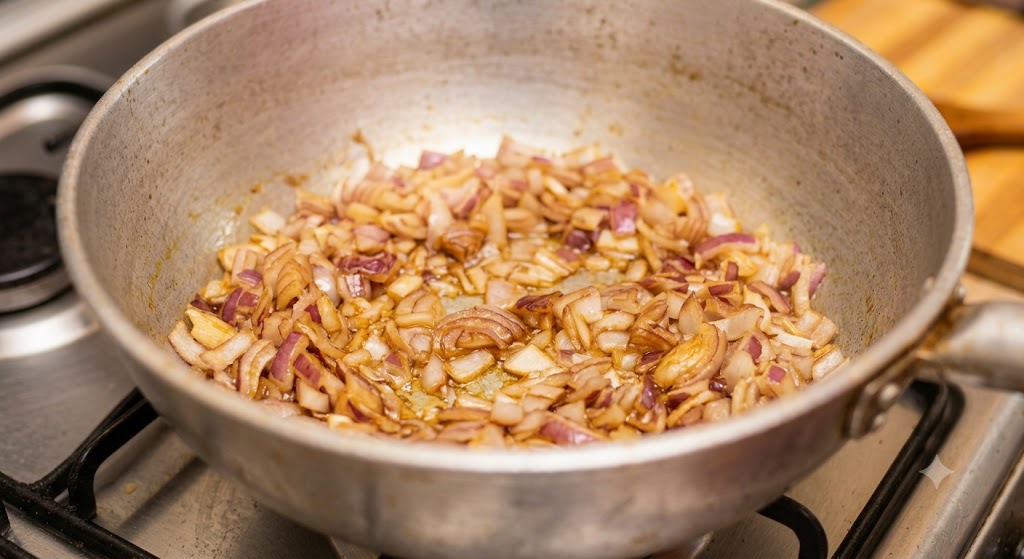
During this slow sweat, the harsh, pungent elements break down. A study in the Journal of Agricultural and Food Chemistry shows that “onion alliinase enzyme activity peaks at 140°F, generating sulfur volatiles that mellow only after 35+ minutes of sustained sub-boiling heat.” Rushing this phase leaves a sharp bite behind.
Science builds the flavour
Once the moisture leaves the pan, temperatures rise and the real transformation begins. First, natural amino acids and sugars combine to create deep, savoury depths. Soon after, true caramelisation takes over as the heat breaks down complex starches into simple sugars.
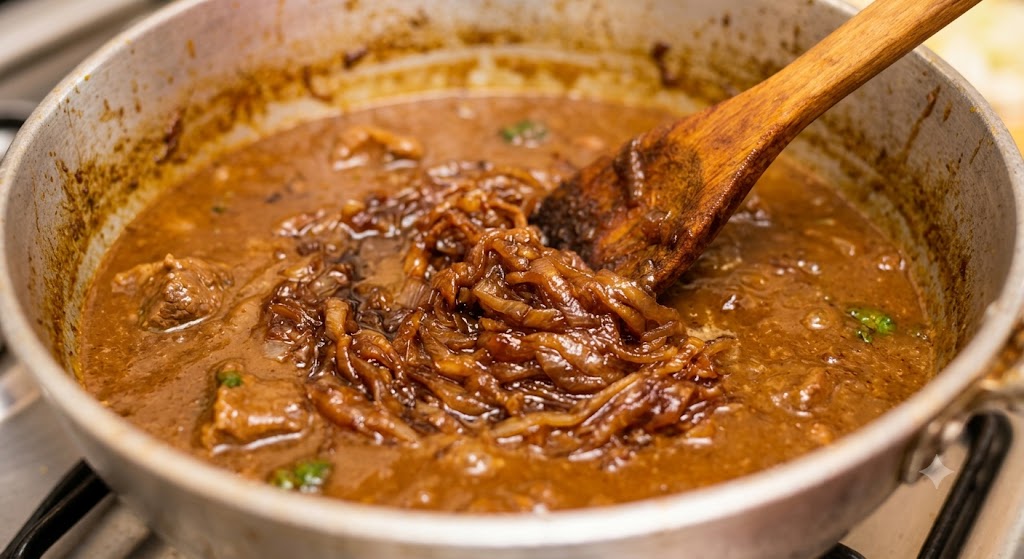
This chemistry reveals why properly cooked onions transform a meal. According to research in the Journal of Food Science, common cooking onions have a high fructan content that “hydrolyzes into fructose during long simmers, building foundational sweetness without added sugar.”
This melting sweetness dissolves beautifully into stews, coating meat and vegetables in a unified warmth. Spending those extra minutes at the start changes everything, turning a stew that tastes merely adequate into one that people ask you to make again.