Advertisement
Hidden uses of avocado seeds that most people don’t know about
23rd June, 2026 12:32 AM
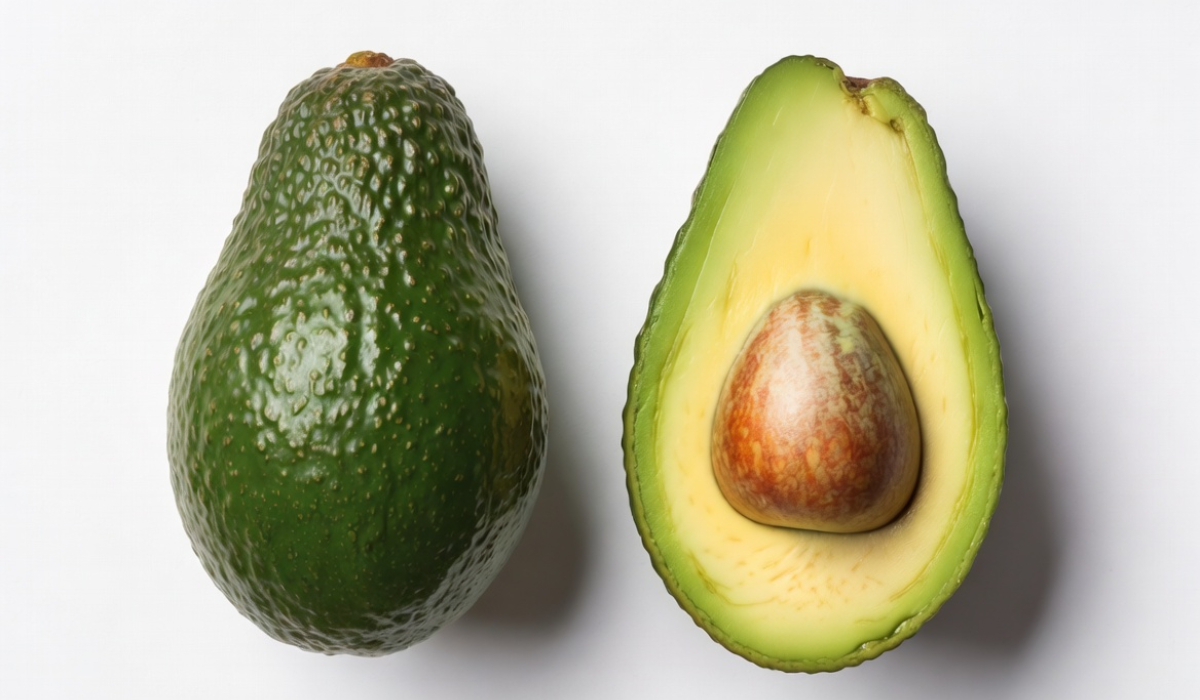
Avocado seeds are often thrown away during processing and home cooking, yet research shows they contain valuable nutrients and bioactive compounds.
While the industry discards them as waste, scientists are beginning to explore their potential health and environmental benefits. Studies suggest that these seeds may offer more than most people realise, from nutrition value to possible medical applications.
How avocado seeds can be prepared and used
Avocado seeds are very hard and must be processed before use. The first step usually involves drying them in an oven for several hours, often around 250°F (121°C) for about two hours.
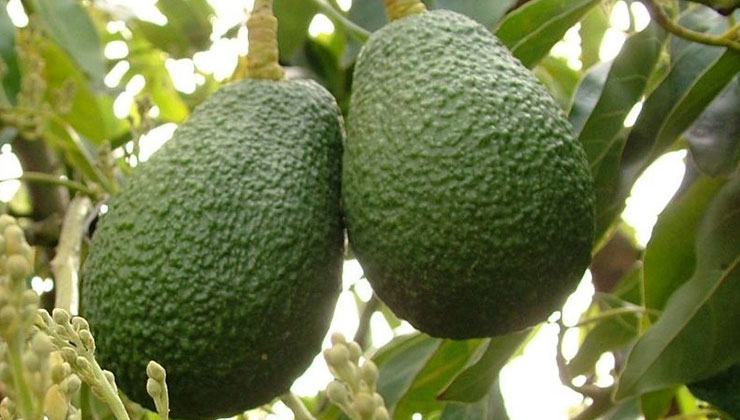
After drying, the seed becomes easier to break down. It can then be chopped and blended into a fine powder using a food processor or blender. This powder can be added to smoothies, teas, sauces, or dips as a nutritional supplement. However, experts note that heat drying may reduce certain antioxidant levels, potentially affecting the expected health benefits.
Rich source of nutrients and bioactive compounds
Avocado seeds contain a wide range of natural compounds, including polysaccharides, proteins, lipids, vitamins, minerals, and other plant-based bioactive substances. Researchers note that their nutritional and phytochemical composition has been widely studied, showing that the seed is not just waste material.
They are also reported to contain strong antioxidant properties, in some cases even higher than the avocado fruit itself. These antioxidants have attracted interest from scientists looking for natural ways to support health and prevent disease.
Possible role in obesity and disease research
Scientists have explored whether avocado seeds could help address obesity, a growing global health problem linked to conditions such as diabetes, heart disease, and cancer. Interest in plant-based solutions has increased as people search for natural health alternatives. A study funded by the NRF tested avocado seed powder on rats fed a high-fat diet.
Researchers used 16 male Sprague-Dawley rats because their metabolism closely resembles that of humans, making them suitable for obesity research. “Plant chemicals in the seed may help block fat storage and improve how the body burns fat,” the study explained. However, researchers also observed slight changes in liver enzymes, meaning more studies are needed to confirm safety, especially in humans. Despite this, the findings suggest potential in using avocado seeds as part of future obesity prevention research while also reducing food waste.
Traditional and emerging health uses
In some regions, avocado seed extracts are already used in traditional practices. For example, in Nigeria, they are used to help manage high blood pressure. Early research also suggests other possible benefits. Animal studies have shown that avocado seed flour may reduce total cholesterol and LDL (bad) cholesterol levels in mice.
Some studies also indicate that it may help reduce blood sugar levels in diabetic rats, in some cases showing effects similar to anti-diabetic medication. In addition, avocado seed extracts may help relax blood vessels, which could help lower blood pressure and reduce the risk of heart disease.
Although avocado seeds are still largely underused and not fully understood, research shows they may have promising nutritional and medicinal potential. From possible roles in cholesterol control and blood sugar regulation to obesity research and traditional use in managing blood pressure, the seed is gaining scientific attention.