Advertisement
Foods you should never store together in your fridge
20th June, 2026 03:18 PM
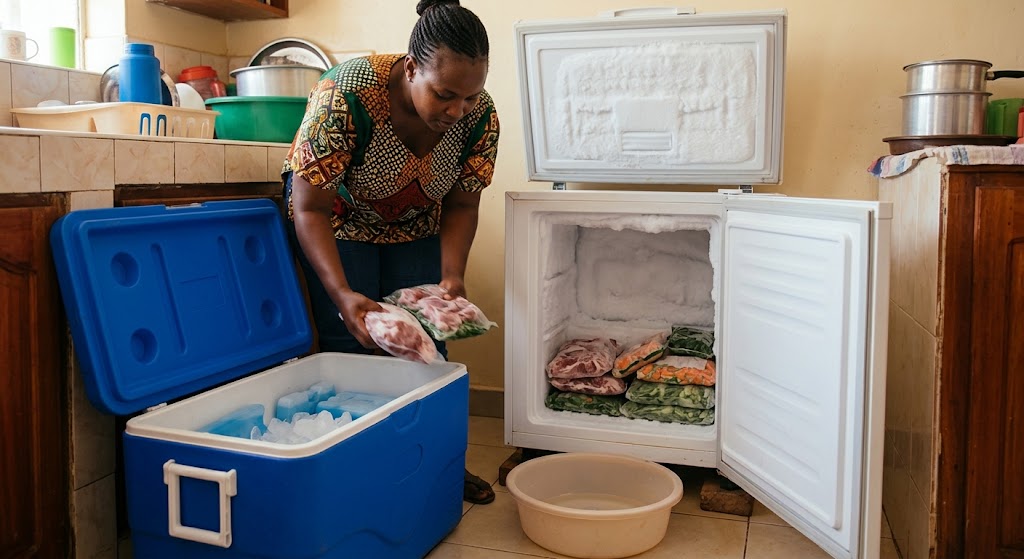
Many people place food in the fridge without thinking about where it should go or what it is stored next to.
While refrigeration helps food stay fresh for longer, some foods do not do well when stored together. Certain fruits release gases that can speed up ripening, while strong-smelling foods can affect the taste and smell of other items nearby.
Poor storage habits can lead to food spoilage, wasted money, and meals that do not taste as good as they should. Knowing which foods should be kept apart can help keep your groceries fresh for longer and reduce unnecessary waste.
Apples and leafy greens
Apples may seem harmless, but they release a natural gas called ethylene as they ripen. This gas can cause nearby fruits and vegetables to ripen and spoil more quickly. Leafy greens such as lettuce, spinach, and kale are especially sensitive to it.
When apples are stored next to leafy greens in the fridge, the greens may begin to wilt faster than expected. They can lose their crisp texture and become soft or yellow before their time. This means you may have to throw them away sooner.
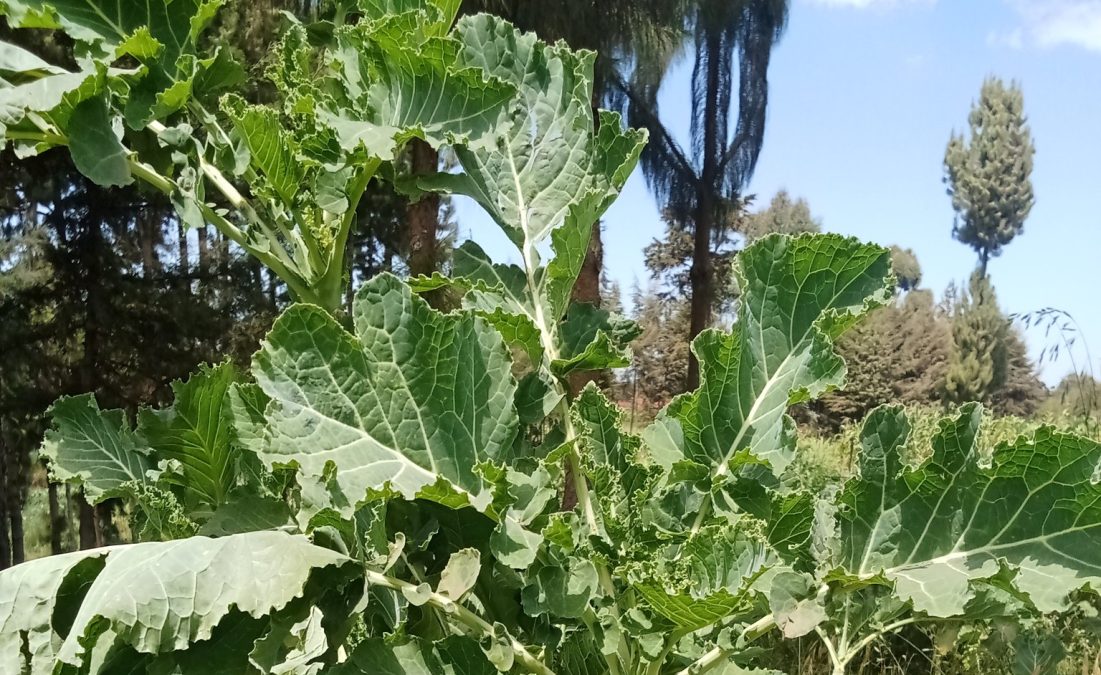
To keep both foods fresh, store apples in a separate drawer or section of the fridge away from delicate vegetables. This simple step can help extend the life of your greens and reduce food waste.
Onions and dairy products
Onions have a strong smell that can easily spread to other foods in the fridge. Dairy products such as milk, butter, cheese, and yoghurt can absorb those odours if they are not properly sealed.
Nobody wants butter that smells like onions or cheese that has picked up unwanted flavours. Even when the onion itself remains fresh, the smell can affect nearby foods and change their taste.
To avoid this problem, keep onions in a tightly sealed container if they must be refrigerated. Dairy products should also be stored in closed containers and kept on separate shelves whenever possible.
Raw meat and ready-to-eat foods
One of the most important food storage rules is to keep raw meat away from foods that are ready to eat. Raw chicken, beef, or fish can leak juices that contain harmful bacteria. If these juices come into contact with cooked food, fruits, or salads, contamination can occur.
This can increase the risk of foodborne illness and make people sick. Even a small drip from a package of raw meat can create a problem if it reaches other foods.
Store raw meat on the lowest shelf of the fridge in sealed containers or trays. This helps prevent leaks and keeps other foods safe for consumption.
A well-organised fridge does more than save space. It helps food stay fresh, taste better, and remain safe to eat. By keeping apples away from leafy greens, separating onions from dairy products, and storing raw meat far from ready-to-eat foods, you can avoid common storage mistakes. Small changes in how you arrange your fridge can make a big difference in the quality and safety of your food.