Advertisement
Myths some Kenyans follow religiously about fridges
23rd May, 2026 09:31 PM
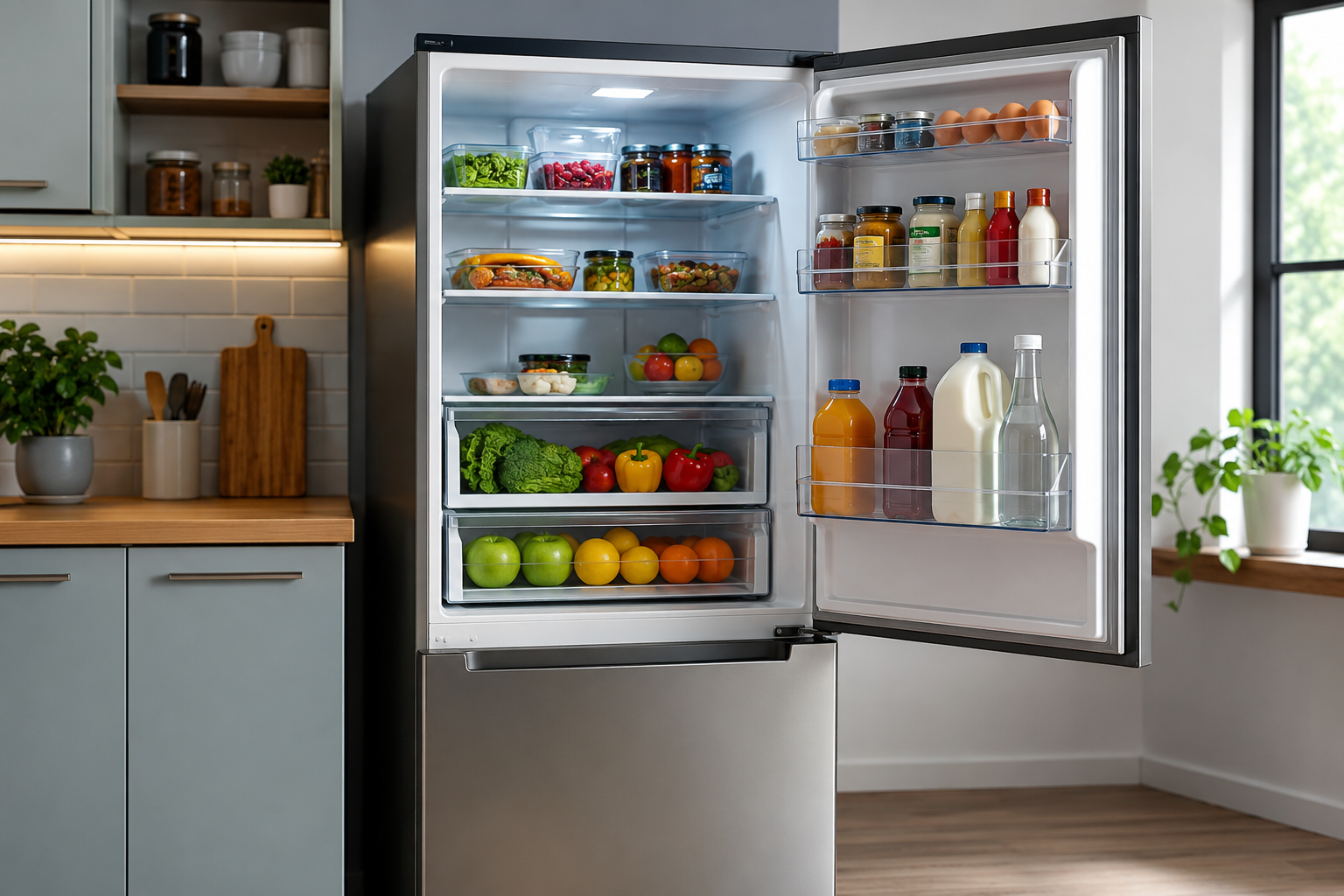
Refrigerators are among the most trusted home appliances in Kenyan households, yet they are also surrounded by beliefs that are not fully accurate.
Many of these ideas are passed on informally and treated as facts, even when modern refrigeration works differently.
Understanding the truth helps improve food safety, save electricity, and extend appliance lifespan.
Fridges consume too much electricity
Many people believe that fridges are the biggest cause of high power bills.
In reality, modern fridges are designed to be energy efficient and only use more power when cooling down warm items or when frequently opened.
Once they stabilise at the right temperature, they cycle on and off, using much less electricity than most assume.
Poor usage habits like leaving the door open or placing the fridge near heat sources increase consumption more than the appliance itself.
Food does not spoil in the fridge
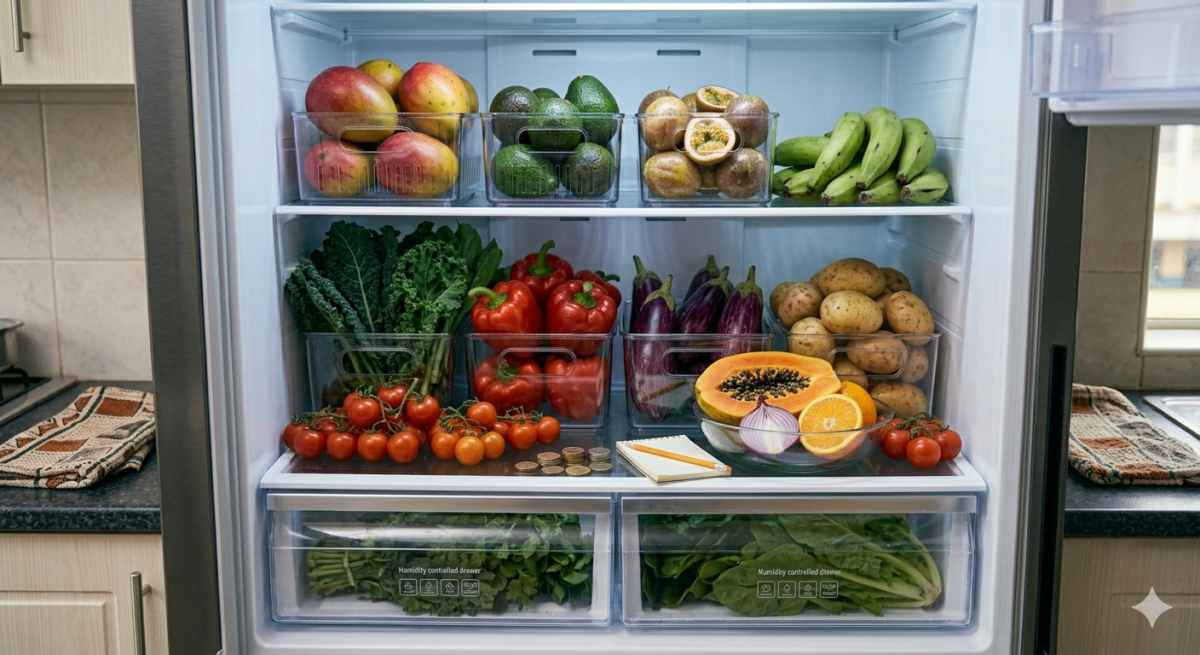
A common myth is that anything stored in a fridge cannot go bad. The truth is that refrigeration only slows bacterial growth, it does not stop it completely.
Foods like milk, cooked meals, and leftovers still have a limited safe period even when chilled.
Keeping food too long can still lead to spoilage or food poisoning if not monitored properly.
Putting hot food in the fridge destroys it
Some believe placing hot food directly in the fridge damages the appliance or ruins the food. Modern fridges are built to handle normal household use, including warm food. The main issue is efficiency, not damage
Hot food raises the internal temperature temporarily, making the fridge work harder to cool down again.
However, leaving food out for too long before refrigerating is actually more risky due to bacterial growth.
A full fridge uses more electricity than an empty one
There is a belief that a stocked fridge consumes more power. In fact, a moderately filled fridge maintains cold temperatures better because stored items help retain the cool air.

The problem comes when the fridge is overpacked, blocking air circulation and reducing efficiency. The key is balance rather than keeping it empty or overcrowded.
Fridges preserve food indefinitely
Some assume that refrigeration keeps food safe forever. This is not true. While cold temperatures slow down decay, food still has a shelf life.
Over time, texture, taste, and safety decline. Even refrigerated foods eventually become unsafe to eat, so proper labelling and timely consumption are important.
A fridge is a simple appliance, but a proper understanding of how it works helps households reduce waste, avoid illness, and manage electricity better.