Advertisement
How a fridge works to make food stuffs cold
10th May, 2026 11:21 PM
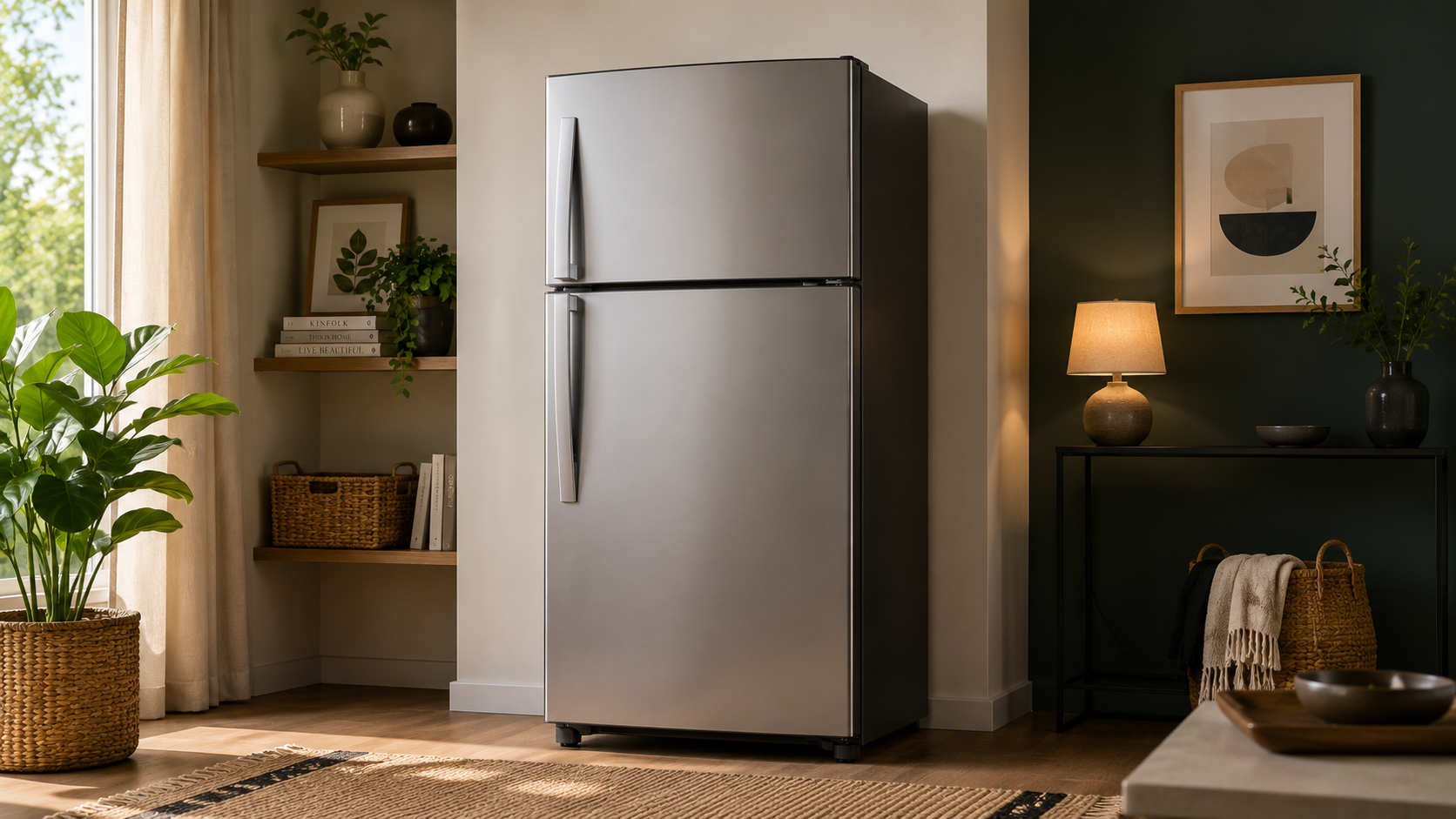
A refrigerator may look simple from the outside, but behind the closed door is a carefully synchronized movement of pressure, gas, heat, and air flowing continuously every second.
From the gentle hum at midnight to the cool breath released when the door opens, every component works together in silent rhythm to preserve food and slow spoilage.
Contrary to popular belief, a fridge does not manufacture coldness. It removes heat from inside the compartment and pushes that heat outside.
The cooling process moves in cycles, smooth and uninterrupted, almost like an invisible performance happening behind metal walls.
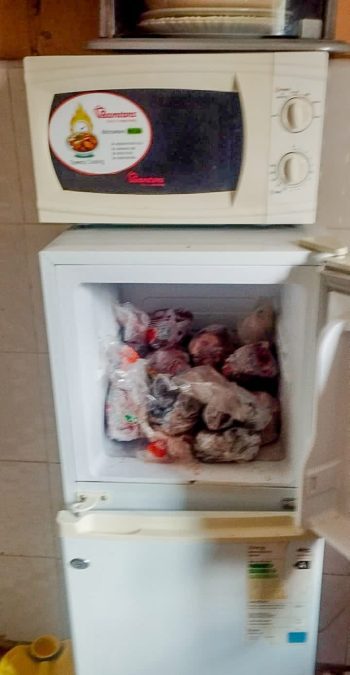
Step 1: Connect power supply
Everything begins the moment electricity flows into the refrigerator. Power awakens the internal system and activates the compressor, the central engine responsible for driving the entire cooling process.
Without electricity, the refrigerator becomes only a storage box.
With power, every hidden component begins moving in harmony.
Step 2: The compressor starts pumping refrigerant
The compressor, usually located at the back or bottom, acts like the beating heart of the refrigerator.
It squeezes a special chemical called refrigerant into a hot, high-pressure gas.
As pressure rises, temperature also increases. The refrigerant now carries heat energy gathered from previous cooling cycles and prepares to release it outside the fridge.
This movement never truly stops. It pulses steadily throughout the day, maintaining the balance needed to keep food fresh.
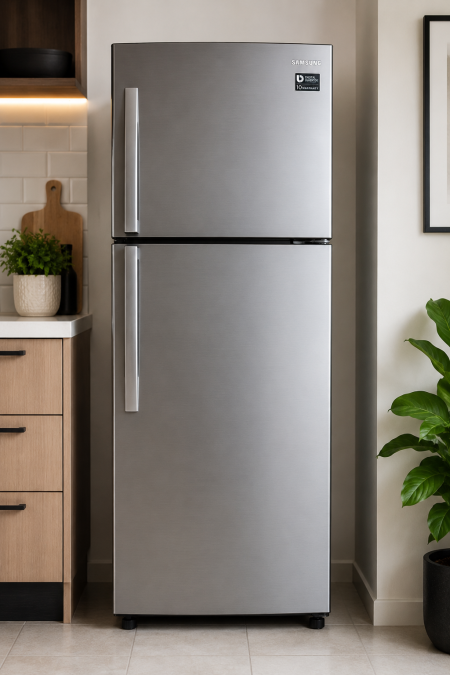
Step 3: Heat escapes through condenser coils
The hot refrigerant gas flows into condenser coils positioned behind or beneath the refrigerator.
Here, surrounding air absorbs the heat carried by the refrigerant.
This is why the back of a fridge often feels warm.
As heat leaves the coils, the refrigerant slowly transforms from hot gas into liquid form.
The process happens quietly, yet it is one of the most important stages in the cooling journey.
Warmth exits the refrigerator while coolness begins preparing its return.
Step 4: The refrigerant enters narrow tubes
After cooling into liquid form, the refrigerant passes through extremely narrow tubes known as expansion valves or capillary tubes.
Inside these tight pathways, pressure suddenly drops. The refrigerant expands rapidly and becomes extremely cold.
In just moments, the once-hot liquid changes character completely, flowing forward with freezing temperatures ready to absorb heat again.
Step 5: Cold refrigerant enters the evaporator coils
The cold refrigerant now travels through evaporator coils located inside the freezer or cooling compartment.
As warmer air from inside the fridge passes around these coils, heat gets absorbed into the refrigerant.
Fans help circulate the chilled air evenly across shelves, vegetables, drinks, and stored food.
This is the moment where the cooling effect becomes noticeable to users.
Fruits remain crisp, milk stays fresh, and leftovers survive another day because heat is continuously being removed.
The entire interior slowly settles into controlled calmness.
Step 6: The refrigerant returns to the compressor
After absorbing heat from inside the refrigerator, the refrigerant turns back into gas and returns once again to the compressor.
The cycle immediately repeats itself.
Compress, release heat, expand, absorb heat, and return again.
The process moves endlessly in flowing repetition, maintaining the delicate temperature balance needed for preservation.
Why opening the fridge too often affects cooling
Every time the refrigerator door opens, warm air rushes inside while cold air escapes.
The appliance must then work harder to remove the newly entered heat.
Frequent opening increases electricity consumption and forces the compressor to run more often.
This is why modern refrigerators are designed with tight rubber seals around doors to reduce temperature loss.
Why overloading a fridge reduces efficiency
Stuffing too many warm food items into the refrigerator at once introduces excess heat into the compartment.
Cold air also needs space to circulate freely. When airflow becomes blocked, some sections cool unevenly while the compressor struggles to maintain temperature.
Proper arrangement allows cooling air to move smoothly around stored items.
How modern refrigerators have improved
Modern refrigerators now use inverter compressors, digital sensors, and advanced insulation systems to improve energy efficiency.
Some models automatically adjust cooling depending on room temperature and usage patterns.
Others can maintain separate cooling zones for vegetables, beverages, and frozen products.
Despite these advancements, the basic principle remains unchanged.
A refrigerator survives on movement, pressure, and heat exchange flowing continuously in carefully timed cycles.
Behind every chilled bottle of water and every preserved meal is a silent system performing its work with remarkable precision day and night.