Foods that make you fart and why it’s totally normal
By Katemarthason Okudo, June 24, 2026Passing gas is one of the body’s most natural processes, yet it remains one of the least talked-about topics at the dining table. While it can sometimes feel embarrassing, farting is a normal sign that the digestive system is working as it should.
According to the National Health Service, certain foods are more likely to cause gas because they contain fibres, sugars or carbohydrates that are not fully broken down in the small intestine. Instead, they travel to the large intestine, where gut bacteria ferment them and produce gas.
Here are eight common foods that may leave you feeling a little windier than usual and the reasons behind it.
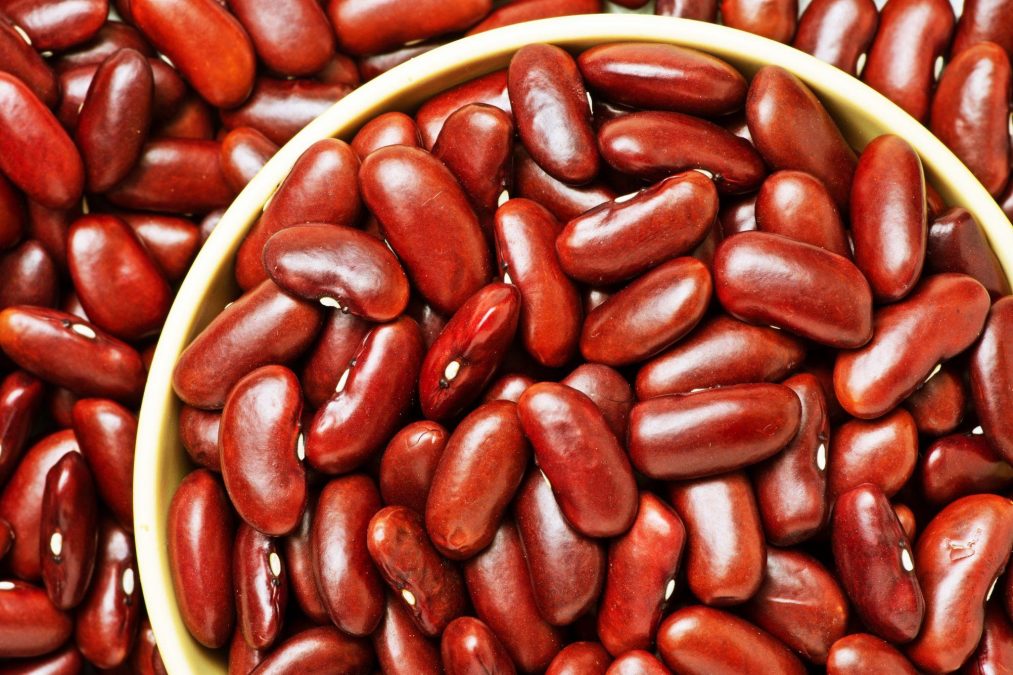
Beans
Beans are often the first food that comes to mind when talking about gas.
According to the Cleveland Clinic, beans contain a type of carbohydrate known as oligosaccharides, which the body struggles to digest completely. When these carbohydrates reach the large intestine, bacteria feed on them and release gas.
Despite their reputation, beans remain a nutritious source of protein, fibre and essential minerals.
Broccoli
Broccoli is packed with vitamins and antioxidants, making it a favourite in many healthy meals.
According to the Mayo Clinic, broccoli contains raffinose, a natural sugar that can be difficult to digest. As bacteria break it down in the gut, gas is produced, leading to bloating and flatulence in some people.
Cooking broccoli thoroughly may help reduce its gas-producing effects.
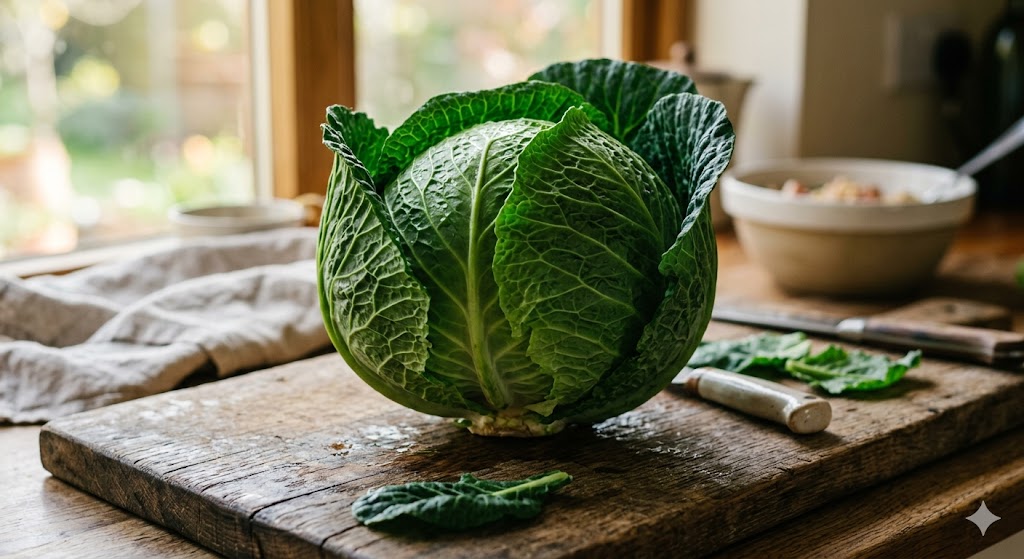
Cabbage
Whether served in salads, stir-fries or traditional dishes, cabbage is a nutritious vegetable.
Like broccoli, it belongs to the cruciferous vegetable family and contains raffinose. During digestion, this sugar ferments in the large intestine and may result in increased gas production.
Lentils
Lentils are widely valued for their protein and fibre content.
The same fibre that supports digestive health can also contribute to gas formation. Fibre-rich foods take longer to break down, giving gut bacteria more material to ferment.
For many people, the digestive system gradually adapts to lentils when they are eaten regularly.
Onions
Onions add flavour and aroma to countless meals, but they can also cause digestive discomfort for some people.
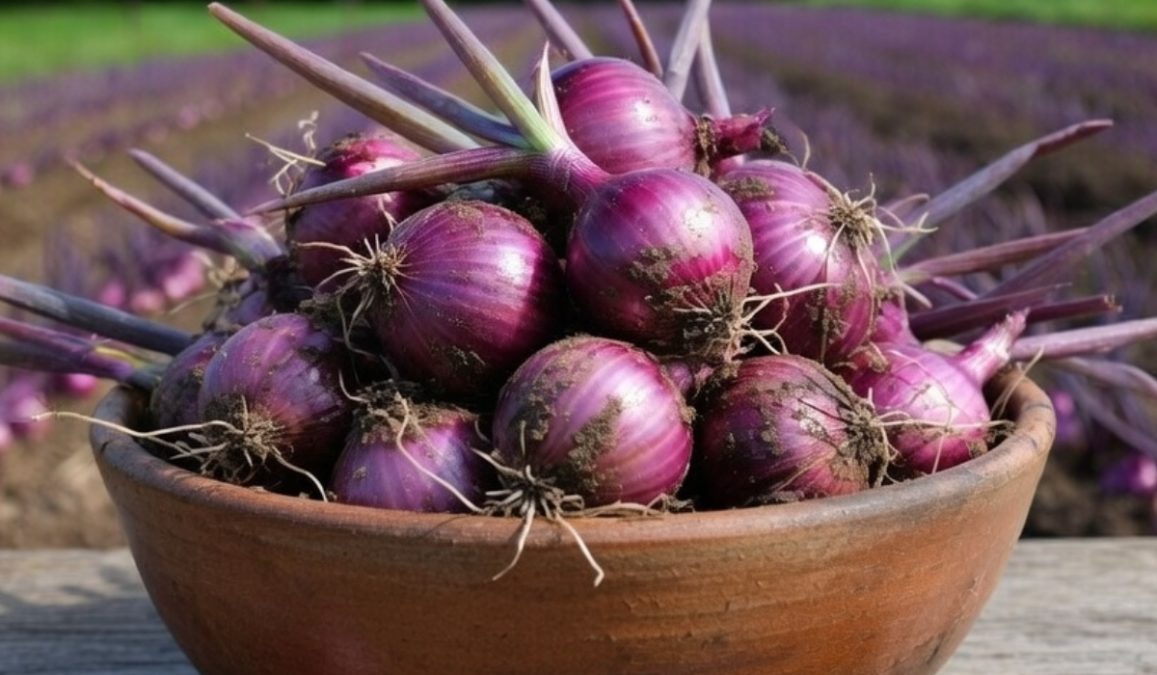
Onions contain fructans, a type of carbohydrate that may not be fully absorbed in the digestive tract. Once these compounds reach the colon, fermentation occurs, and gas is produced.
Apples
An apple a day may support overall health, but it can also contribute to flatulence.
According to the Mayo Clinic, apples contain natural sugars and soluble fibre that are fermented by bacteria in the large intestine. Some people are more sensitive to these compounds and may notice increased gas after eating them.
Milk and Dairy Products
Milk, cheese and yoghurt can trigger gas in individuals who have difficulty digesting lactose, the natural sugar found in dairy products. When lactose is not properly broken down, it passes into the colon where bacteria ferment it, producing gas, bloating and discomfort.
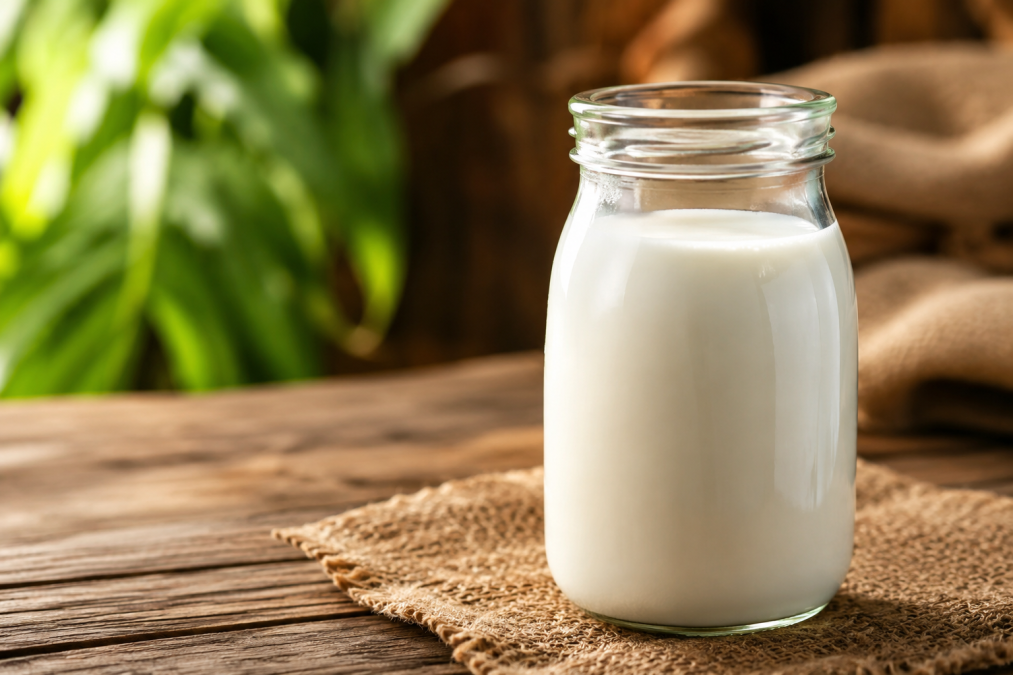
The effects vary from person to person depending on lactose tolerance.
Sweet Potatoes
Sweet potatoes are a popular staple thanks to their nutritional value and versatility.
Sweet potatoes contain fibre and certain carbohydrates that can be fermented in the digestive tract. While they support gut health, they may also increase gas production, particularly when eaten in large amounts.
Why Farting Is Completely Normal
Health experts note that most people pass gas several times a day. It is a natural result of swallowing air and digesting food.
According to health experts, gas is often a sign that beneficial gut bacteria are breaking down food in the digestive system. In many cases, this is a normal and healthy bodily function.
If gas becomes unusually painful, persistent or is accompanied by other symptoms such as unexplained weight loss or severe abdominal pain, medical advice may be necessary. Otherwise, occasional flatulence after eating foods such as beans, cabbage or lentils is generally nothing to be concerned about.
Rather than avoiding these foods altogether, moderation, proper preparation and a balanced diet can help minimise discomfort while still allowing the body to benefit from their nutritional value.