Advertisement
Difference between sun-dried and machine-dried foods – why it matters
20th July, 2026 11:15 AM
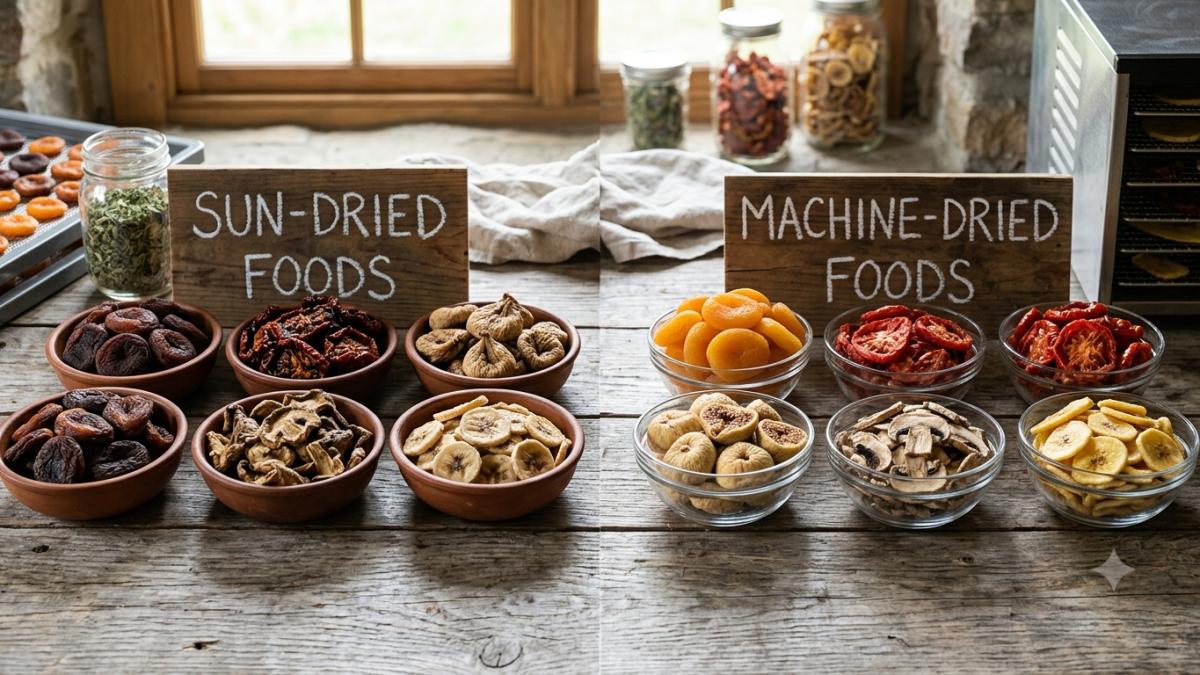
Drying food is one of the oldest methods of preserving food, allowing people to enjoy fruits, vegetables, herbs, and fish long after harvest. Today, food is mainly preserved through sun-drying or machine-drying. While both methods remove moisture to extend shelf life, they can affect flavour, texture and nutritional quality differently.
According to the Food and Agriculture Organization (FAO), drying slows the growth of bacteria, mould and yeast by reducing the amount of water available in food, making it safer to store for longer.
Sun-dried tomatoes: Packed with flavour and antioxidants
Sun-dried tomatoes are left under direct sunlight for several days, allowing water to evaporate naturally. This process gives them a richer, sweeter taste than fresh tomatoes because their natural sugars become more concentrated.
Machine-dried tomatoes are dried in controlled conditions using heated air, helping preserve a more even colour and texture while reducing the risk of contamination.
Tomatoes are rich in lycopene, an antioxidant that supports heart health and helps protect cells from damage. They also provide fibre and potassium, nutrients that contribute to healthy digestion and normal blood pressure.
Tomatoes and other colourful vegetables contain beneficial plant compounds that support overall health when eaten as part of a balanced diet.
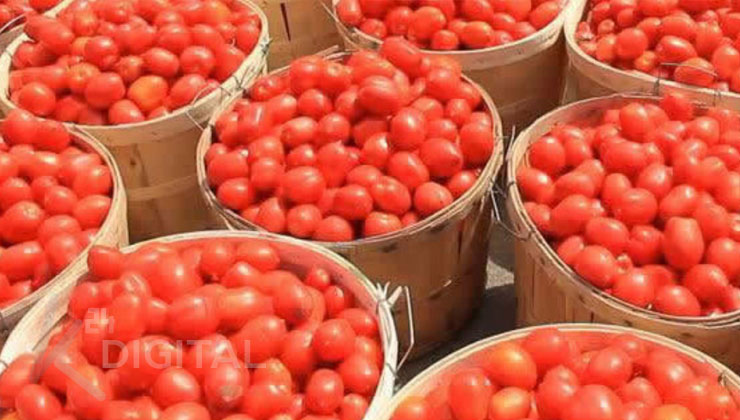
Dried mangoes: A naturally sweet source of vitamins
Mangoes are commonly dried using both methods. Sun-dried mangoes develop a deeper sweetness because of the slower drying process, while machine-dried mangoes often retain a brighter colour and softer texture due to carefully controlled temperatures.
Both types are good sources of vitamin A, which supports healthy eyesight and the immune system, as well as dietary fibre that promotes good digestion.
The World Health Organization (WHO) encourages eating fruits regularly because they provide essential vitamins, minerals, and antioxidants that help lower the risk of non-communicable diseases.
Dried herbs: Small ingredients with big benefits
Herbs such as rosemary, thyme, basil, and oregano can be dried naturally or using drying machines. Machine-drying helps preserve their green colour and aromatic oils, while properly sun-dried herbs still retain much of their flavour and nutritional value.
Besides enhancing the taste of meals without adding extra salt, dried herbs contain antioxidants and plant compounds that support overall wellbeing. Herbs and spices are useful additions to healthy eating because they add flavour while contributing beneficial plant nutrients.

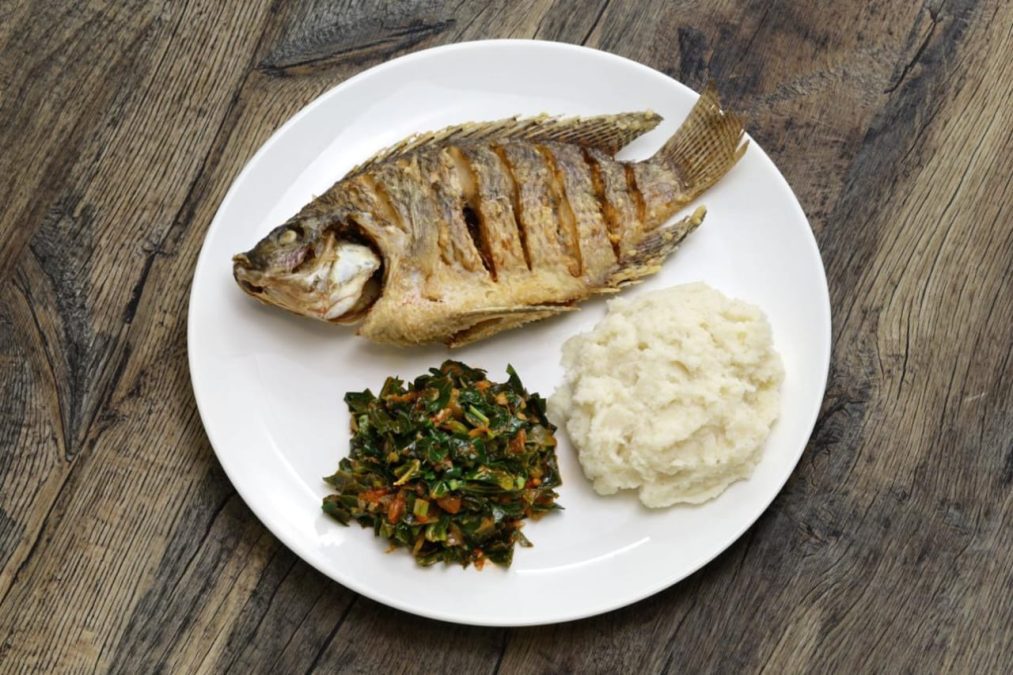
Dried fish: Long-lasting and rich in protein
Sun-dried fish remains a traditional food in many communities because it can be stored for long periods without refrigeration. Machine-dried fish is produced in enclosed facilities where temperature and airflow are carefully controlled, improving consistency and food safety.
Both provide high-quality protein, calcium and essential minerals that support strong bones and muscle growth.Proper drying and storage are important to reduce spoilage and maintain food quality throughout the storage period.
Dried bananas: A convenient energy boost
Bananas can also be preserved through sun-drying or machine-drying. Sun-dried bananas often have a chewier texture and more concentrated sweetness, while machine-dried bananas are usually more uniform in appearance.
They provide potassium, which supports normal muscle function, alongside fibre and natural carbohydrates that supply energy throughout the day.
The World Health Organization (WHO) recommends including fruits in everyday diets because they contribute essential nutrients needed for good health.
Choosing the right dried food
Both drying methods have their advantages. Sun-drying is affordable and environmentally friendly, while machine-drying offers greater control over hygiene, temperature and consistency.
Whichever option consumers choose, nutrition experts recommend selecting dried foods without excessive added sugar, salt or preservatives. When stored correctly in airtight containers away from moisture, dried foods can remain nutritious, convenient and enjoyable for months.