Advertisement
How to cook omena properly and avoid common mistakes
14th May, 2026 03:35 PM
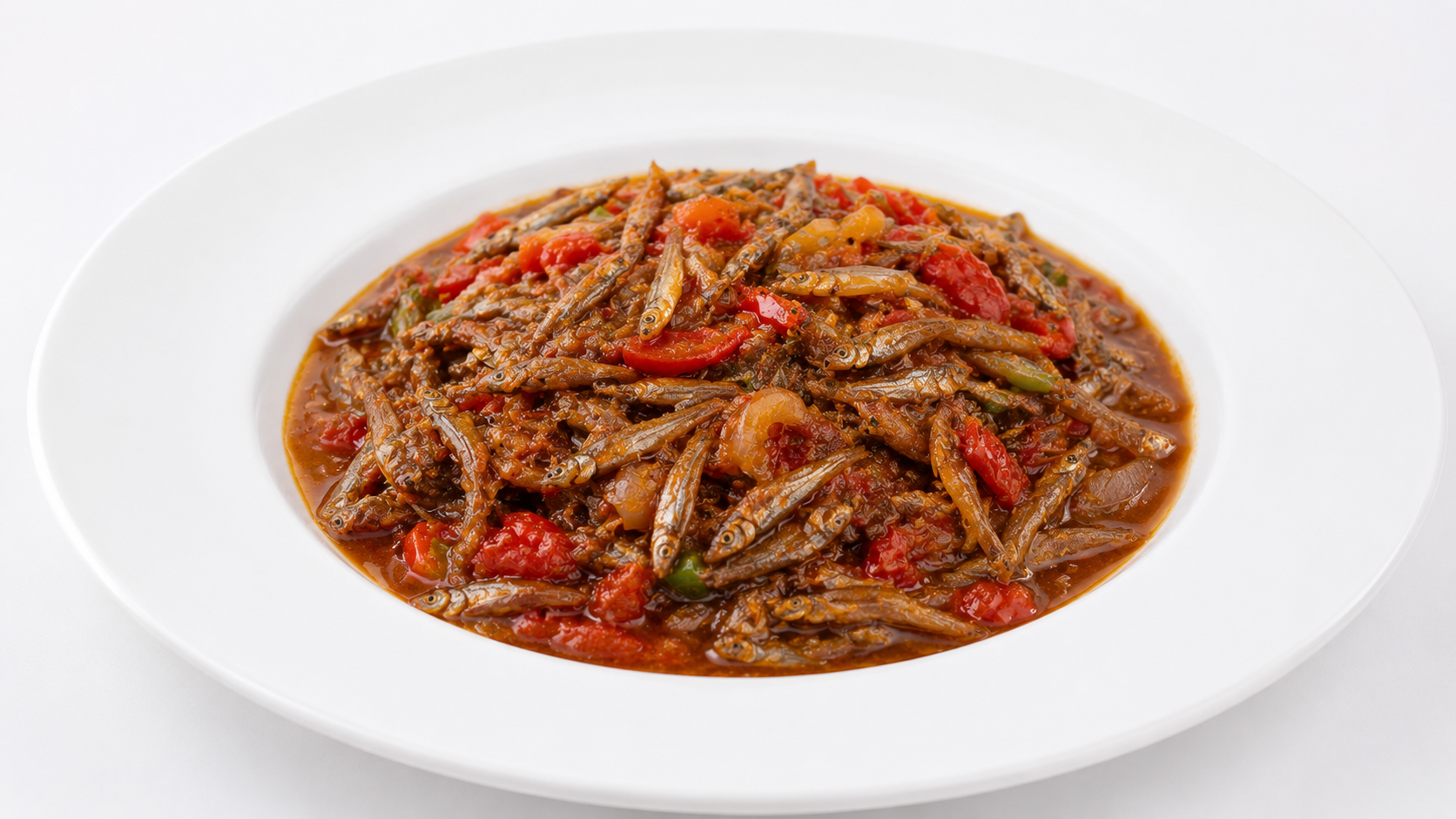
Omena is one of Kenya’s most loved traditional foods, especially around the Lake Victoria region.
When cooked properly, it can become incredibly sweet, aromatic, and enjoyable with ugali, rice, chapati, or vegetables.
But many people still avoid cooking omena because of bitterness, strong smell, or poor preparation methods.
The truth is that omena is very sensitive during preparation. Small mistakes can completely change its taste.
Many first time cooks end up making it bitter without knowing why.
Yet experienced cooks understand that sweet omena depends more on preparation than expensive ingredients.
Never wash omena with cold water
One of the biggest mistakes people make is rinsing omena with cold water directly from the tap.
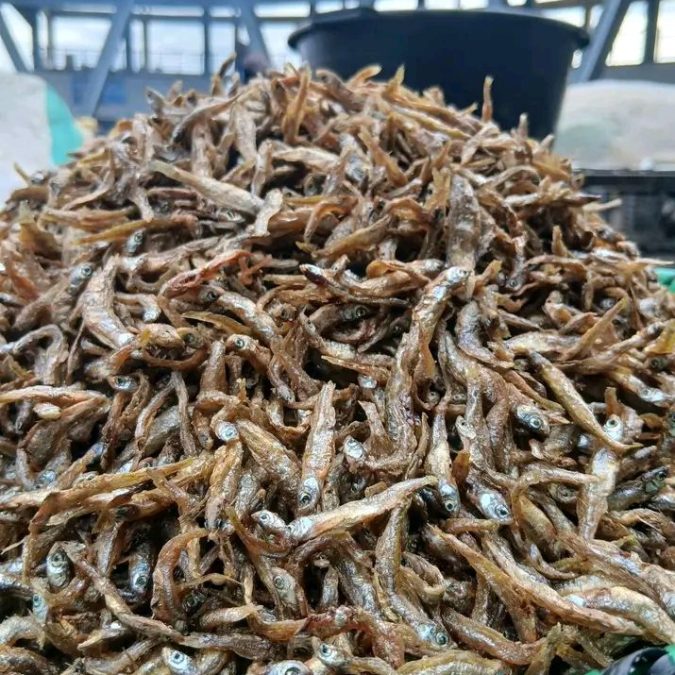
old water does not remove the oily residue, dust, or bitter compounds properly.
Most experienced cooks recommend soaking omena in warm or hot water for several minutes before cooking.
Warm water helps loosen dirt, excess oils, and the strong fishy smell much more effectively.
As the omena soaks, the water often becomes dirty and cloudy.
Many cooks repeat the rinsing process several times until the water becomes clearer.
Warm water also softens the omena slightly, making it easier to cook evenly without developing a harsh bitter taste later.
Some people even add a little lemon juice during soaking to reduce bitterness further.
Avoid boiling omena like beans
Another common mistake is trying to boil omena for a long time like beans or meat stew.
Overboiling can make omena break apart, develop a muddy texture, and sometimes increase bitterness instead of reducing it.
Omena cooks very quickly because the fish are small and delicate.
Many Kenyan cooks prefer lightly drying it on heat or allowing it to simmer briefly after washing rather than deep boiling it for long periods.
Some modern recipes mention brief boiling or blanching for only a few minutes to reduce bitterness, but excessive boiling can destroy the natural flavor and texture.
The secret is gentle cooking, not punishment.
Good omena should remain slightly firm, flavorful, and aromatic instead of becoming soggy and overly soft.
Never fry omena directly
Many people pour omena directly into hot oil immediately after washing. That mistake often creates bitterness, burnt smell, and uneven cooking.
Proper omena should first be cleaned, drained well, and sometimes lightly heated to remove excess moisture before frying with onions and tomatoes.
If wet omena hits very hot oil directly, the sudden frying can trap bitterness and create a stronger smell.
Experienced cooks usually fry onions first until golden brown before adding tomatoes and allowing them to form a rich sauce.
The omena is then added gradually into the mixture so it absorbs flavor instead of frying harshly alone.
Tomatoes, onions, garlic, and lemon help balance the strong fish flavor naturally.
This is why restaurant omena often tastes sweeter than homemade versions.
The preparation process is slower and more careful.
Always separate omena from chaff and dirt
Many people rush the cleaning process and cook omena together with tiny stones, scales, dust, broken particles, or chaff from storage sacks.
Proper sorting is extremely important.
Before washing, spread the omena on a tray or plate and remove unwanted particles carefully.
Some cooks even separate damaged fish or excess heads that may contribute to bitterness.