Advertisement
Common food storage mistakes that waste your groceries
17th July, 2026 06:50 PM
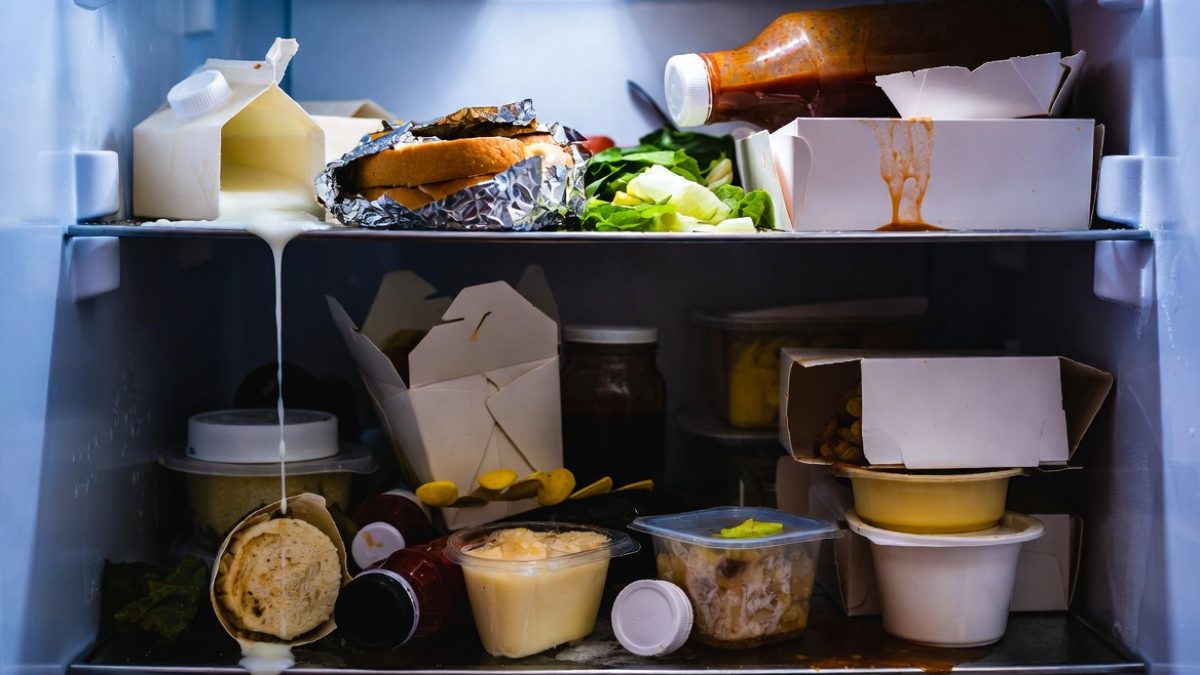
Proper food storage can make a big difference in how long groceries stay fresh.
However, many people unknowingly store food the wrong way, causing fruits, vegetables and other items to spoil much sooner than they should. This not only leads to unnecessary food waste but also means spending more money replacing groceries that could have lasted longer.
Here are three common food storage mistakes and how to avoid them.
1. Storing all fruits and vegetables together
It may seem convenient to keep all fresh produce in one place, but not every fruit and vegetable should be stored together. Some fruits, including apples, bananas and avocados, produce a natural gas called ethylene as they ripen. This gas speeds up the ripening process of nearby fruits and vegetables.
When vegetables such as broccoli, carrots, cucumbers and leafy greens are stored next to these fruits, they may spoil much faster. The same can happen to fruits that are sensitive to ethylene, causing them to become overripe within a short time.
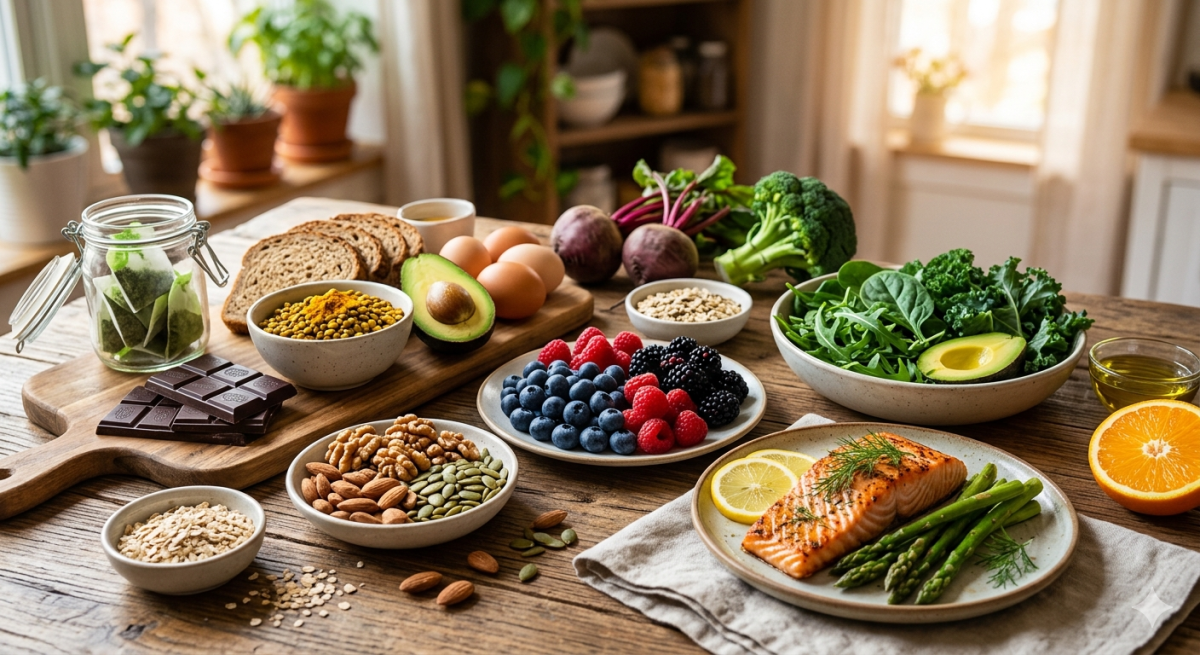
A better approach is to separate ethylene-producing fruits from vegetables and other delicate fruits. Keeping them in different containers or separate sections of the refrigerator can help extend their freshness and reduce waste.
2. Putting everything in the refrigerator
Many people believe the refrigerator is the best place for every type of food, but that is not always true. Some foods actually lose their flavour, texture or quality when stored in cold temperatures.
Items such as onions, potatoes, garlic and whole tomatoes are best kept in a cool, dry and well-ventilated place instead of the refrigerator. Potatoes can become grainy and develop an unpleasant taste, while tomatoes often lose their natural flavour and become soft.
Knowing which foods belong in the fridge and which should stay at room temperature can help groceries last longer and maintain their quality. Always check storage recommendations for foods that spoil quickly.
3. Leaving food uncovered
Food that is left uncovered or stored in torn packaging is exposed to air and moisture, which can cause it to dry out, lose freshness or spoil more quickly. This is especially common with cheese, cooked leftovers, fresh herbs and leafy vegetables.
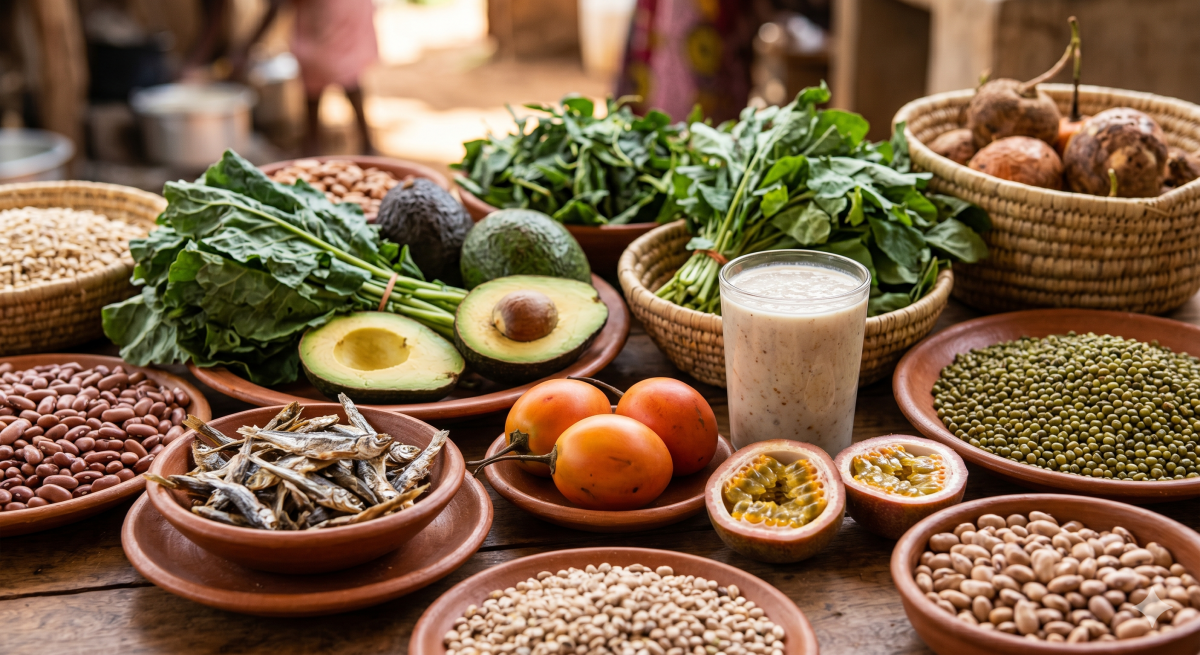
Leftovers should be transferred into clean, airtight containers as soon as they have cooled. Fresh produce can also stay fresher when stored in proper storage bags or containers designed to control moisture.
It is also important to check food packaging after shopping. If a package is damaged, move the food into a sealed container before storing it. This simple habit helps protect food from contamination and extends its shelf life.
Good food storage does not require expensive equipment or complicated methods. Small changes, such as separating certain fruits, storing foods in the right place and using airtight containers, can help groceries stay fresh for longer. These habits reduce food waste, save money and make it easier to enjoy fresh ingredients throughout the week.