Advertisement
Why some foods leave you bloated and others don’t
07th August, 2026 10:21 AM
Feeling uncomfortably full after a meal is something many people experience, yet the reason behind it is not always the same. While bloating can sometimes point to an underlying health condition, it is often linked to the foods on your plate and the way your digestive system processes them.
Some foods naturally produce more gas during digestion, while others are easier for the body to break down. Understanding the difference can help you make better food choices without giving up a balanced diet.
Why bloating happens
Bloating occurs when the digestive tract fills with excess gas or when food moves through the gut more slowly than usual. According to the National Health Service (NHS), swallowing air while eating, eating too quickly, constipation, and certain foods can all contribute to a swollen or tight feeling in the abdomen.
The digestive system relies on bacteria in the large intestine to break down foods that are not fully digested in the small intestine. During this process, gases such as hydrogen, methane, and carbon dioxide are produced. While this is a normal part of digestion, some foods create more gas than others.
According to the International Foundation for Gastrointestinal Disorders (IFFGD), people react differently because each person’s gut bacteria and digestive system are unique. A meal that causes bloating in one person may have little or no effect on someone else.
Foods that commonly cause bloating
Several everyday foods are known to trigger bloating, especially when eaten in large amounts.
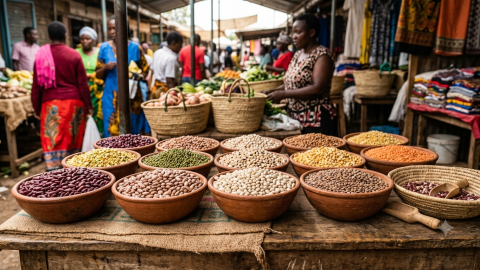
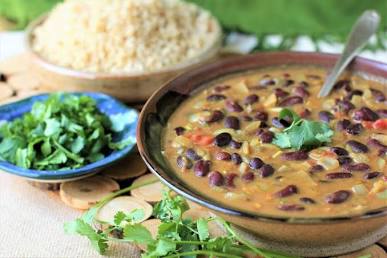
Beans, lentils and peas are among the most common examples because they contain complex carbohydrates called raffinose that are difficult for the body to digest. Instead, gut bacteria ferment them, producing gas.
Cruciferous vegetables such as broccoli, cabbage, cauliflower and Brussels sprouts can also cause bloating for the same reason. Although they are highly nutritious, they contain fibre and natural sugars that take longer to digest.

Dairy products may lead to bloating in people who are lactose intolerant. Without enough of the enzyme needed to digest lactose, milk, cheese and ice cream can cause gas, stomach discomfort and diarrhoea.
Carbonated drinks introduce extra gas into the digestive system, while chewing gum and drinking through a straw may increase the amount of air swallowed during eating and drinking.
Artificial sweeteners such as sorbitol, xylitol and mannitol, often found in sugar-free sweets and chewing gum, can also be difficult to digest and may lead to bloating in some people.
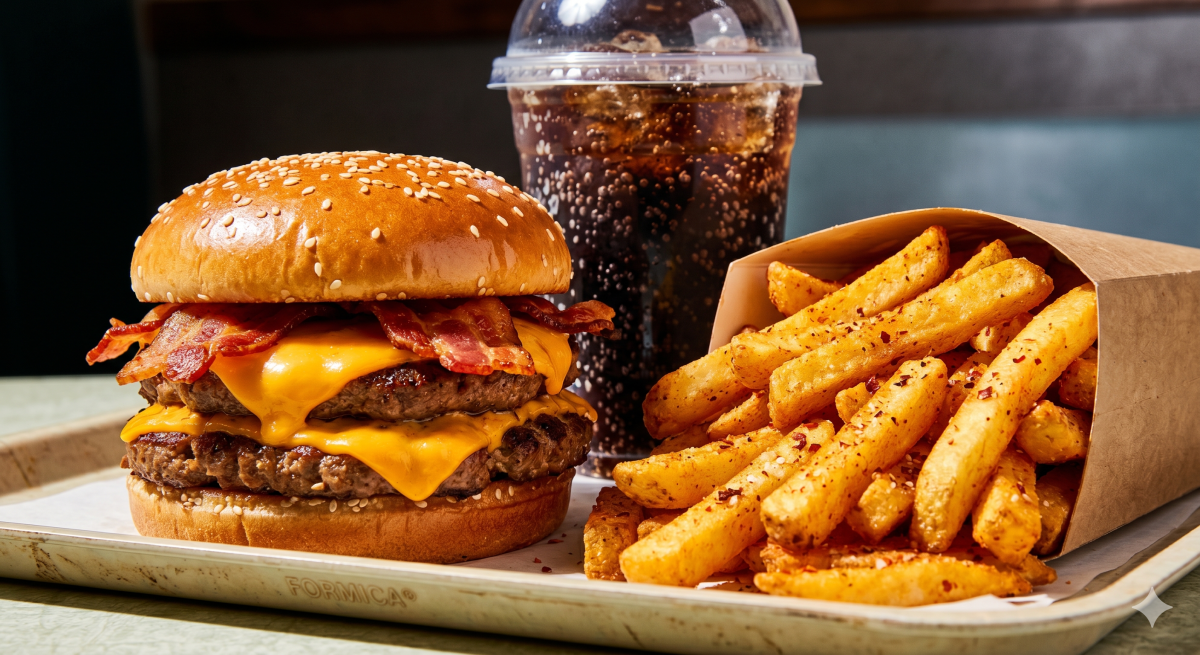
High-fat fried foods are another common trigger because they slow stomach emptying, leaving food in the stomach for longer and creating a feeling of fullness.
Foods that are less likely to cause bloating
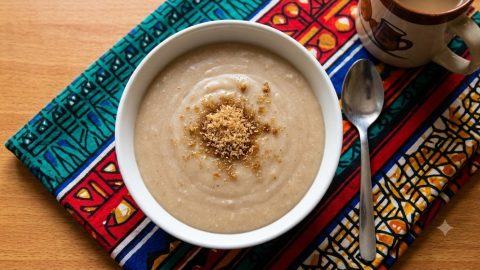
Not all healthy foods are likely to leave you feeling uncomfortable. Foods that are generally easier to digest include rice, oats, bananas, oranges, berries, carrots, cucumbers, spinach, potatoes and lean proteins such as chicken, fish and eggs.
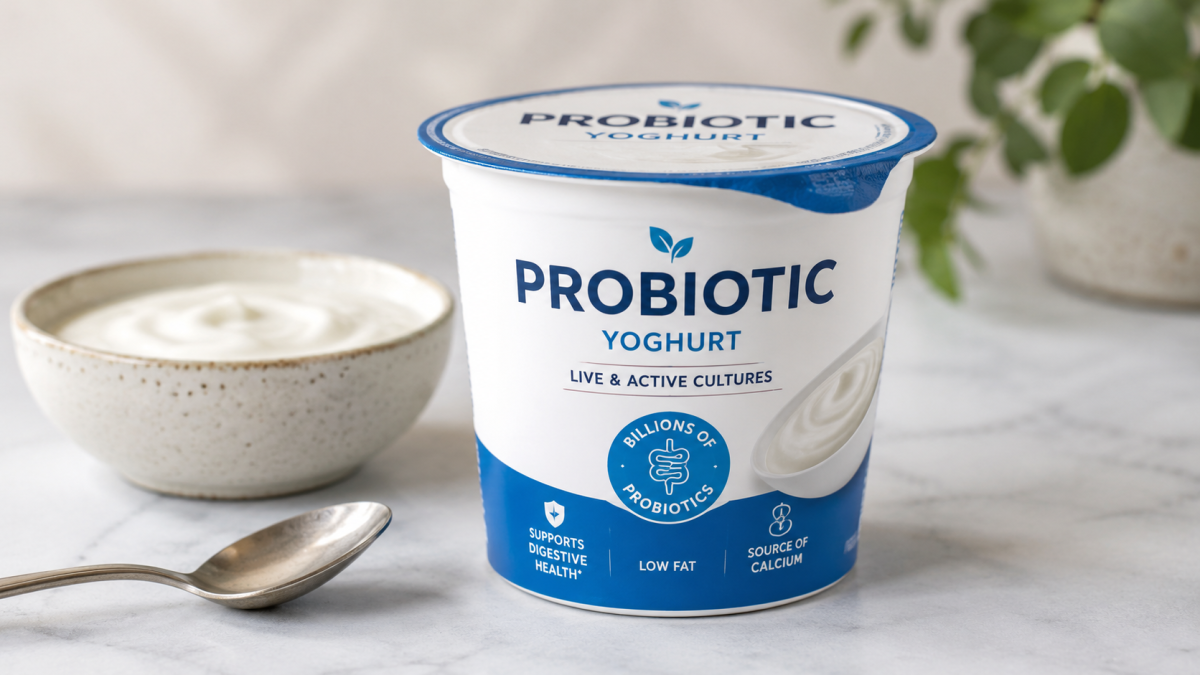
Yoghurt containing live cultures may also help support healthy gut bacteria, although this depends on whether an individual can tolerate dairy products. Drinking enough water and including moderate amounts of fibre in the diet can also help food move through the digestive system more efficiently.
Small eating habits make a big difference
The way food is eaten is just as important as the food itself. Eating slowly, chewing food thoroughly and avoiding oversized portions can reduce the amount of air swallowed and give the digestive system enough time to work efficiently.
Occasional bloating is usually nothing to worry about. However, persistent bloating, severe abdominal pain, unexplained weight loss or changes in bowel habits should be assessed by a healthcare professional, as they may indicate an underlying medical condition.