Advertisement
Basic dining etiquette: How to use fork, knife, spoon, and napkins properly while eating
31st May, 2026 12:38 PM

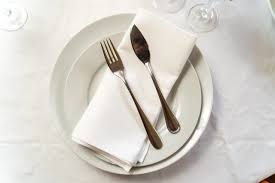
Dining etiquette may look formal, but it is mostly about comfort, awareness, and knowing what each tool on the table is meant for. The basic table setting places the fork on the left side of the plate, the knife on the right with the blade facing inward, and the spoon next to the knife if soup or dessert is served.
The general rule is simple: start from the outside and work your way in as each course is served. This helps avoid confusion when multiple utensils are arranged on the table. Formal dining settings are designed to guide rather than complicate the eating experience.
Manners are a sensitive awareness of the feelings of others. This includes how one handles cutlery quietly and respectfully during a shared meal.
Matching utensils to different foods
Different foods require different handling, and using the correct cutlery makes eating easier and more polite in shared settings. A fork and knife are mainly used together for foods such as meat, chicken, pizza slices, and grilled vegetables in formal settings. The knife is used to cut food into manageable pieces, while the fork brings the food to the mouth.
Rice dishes, soft stews, and pasta are eaten using only a fork or a spoon, depending on the texture. Soups are always taken with a spoon, sipped gently from the side rather than noisily. According to Debrett’s etiquette guide, it is considered proper to avoid switching hands excessively while eating, especially in formal dining.

Finger foods such as bread, fruit slices, and small pastries are generally eaten using hands where appropriate, though this depends on the formality of the setting. The key principle is balance, using utensils when needed and avoiding unnecessary handling of food.
Napkin etiquette and common mistakes
Napkins are an important part of table manners that are often overlooked. At the beginning of a meal, the napkin should be placed on the lap, not the collar, or tucked into clothing unless in very informal settings or for children. It is used to gently dab the mouth, not wipe it aggressively.
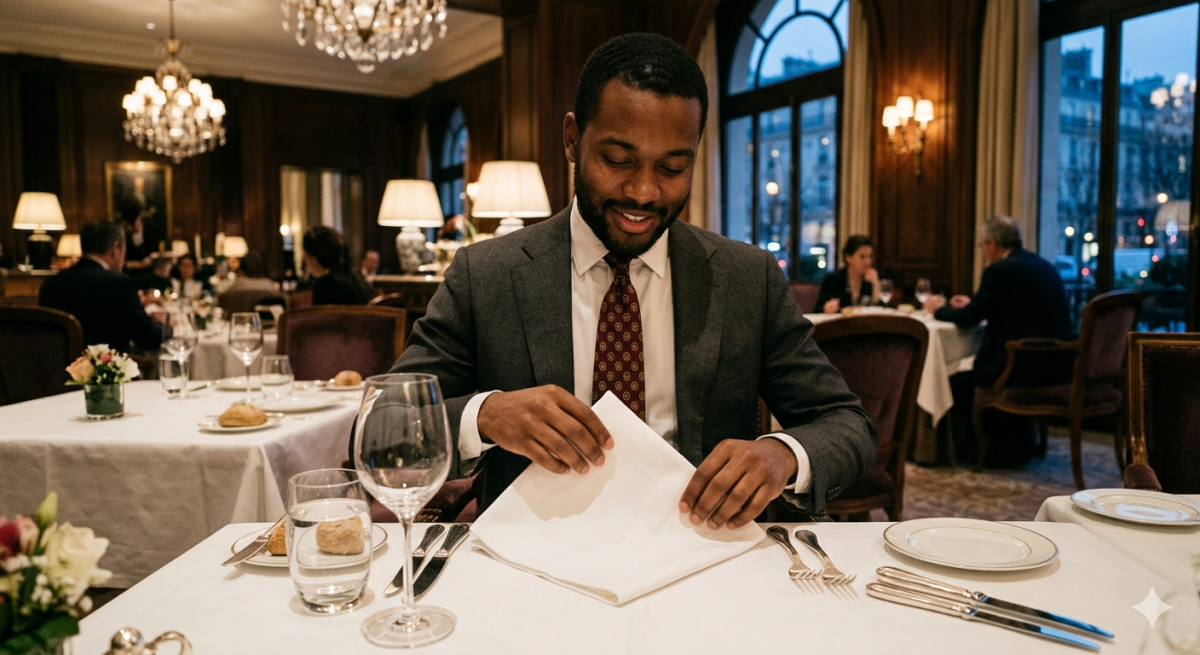
When leaving the table temporarily, the napkin should be loosely placed on the chair. At the end of the meal, it is placed neatly on the left side of the plate. Etiquette experts advised against folding the napkin back into perfect shape after use, as it is considered unnecessary formality.
Common mistakes include clinking cutlery loudly, speaking with food in the mouth, or resting elbows on the table during eating. Good table manners are less about strict rules and more about making shared meals pleasant for everyone.
Mastering fork, knife, spoon, and napkin use is not about perfection but awareness. Whether in a formal restaurant or a casual gathering, small habits at the table often reflect respect for both food and company.