Advertisement
Unwritten rules of visiting Kenyan home during mealtime
24th May, 2026 10:17 AM
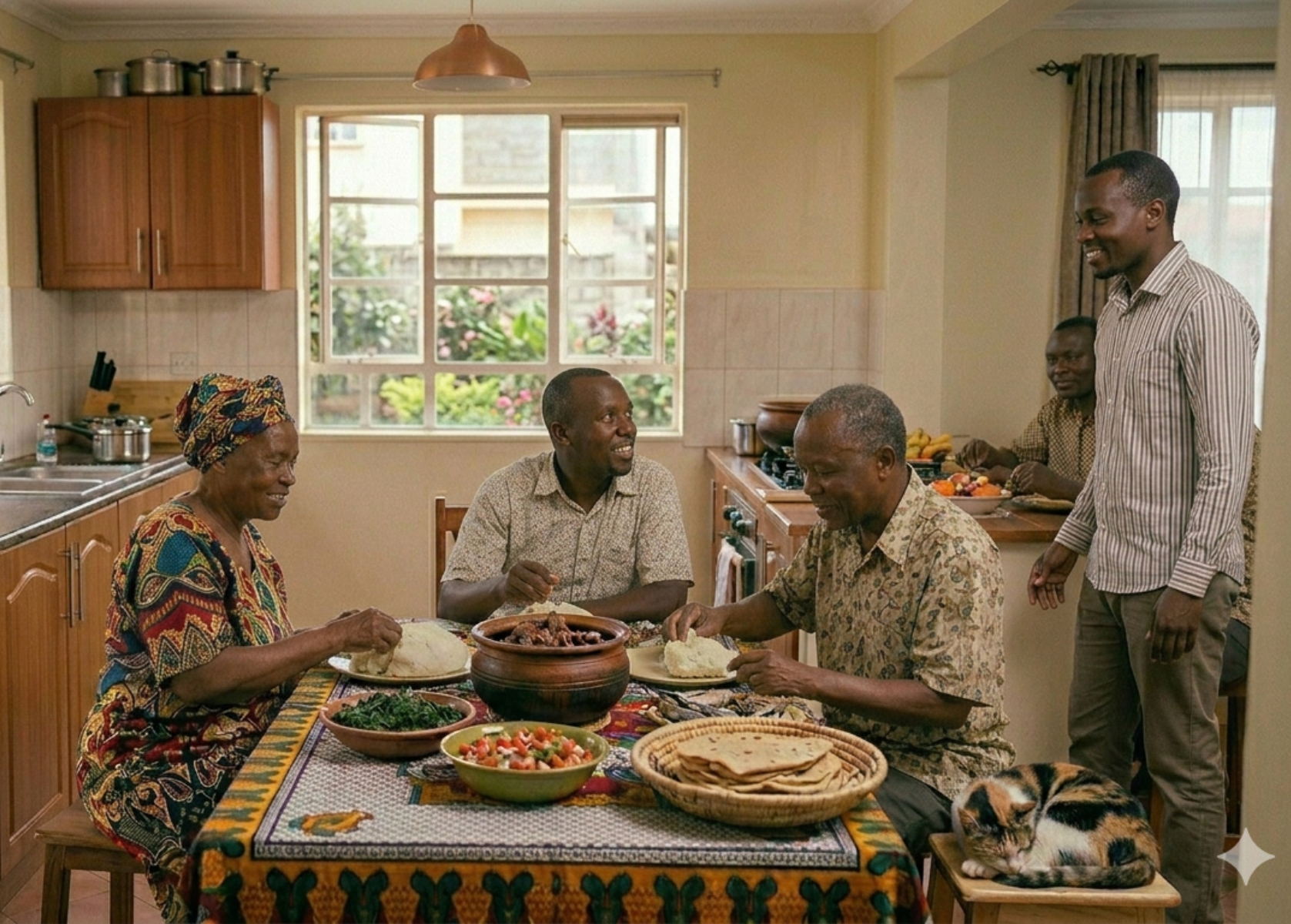
There are things no one really teaches you, but somehow every Kenyan just knows them.
One of those things is how to behave when you walk into someone’s home and food is involved. Because in Kenya, food is not just food, it is respect, hospitality, and sometimes even a test of manners.
If you have ever visited a Kenyan home around lunchtime or dinnertime, you know things can get interesting fast.
Here are the unwritten rules that quietly guide those moments.
- Refusing food the first time is almost mandatory
When someone offers you food, the polite Kenyan script starts:
“Unakula?” the host asks.
“No, niko sawa,” visitor replies
Then they insist.
“Uko sure hauhisi njaa? Kula ata kama ni kidogo,” the host adds.
Then you slowly accept.
In many homes, saying yes immediately can even confuse the host. The dance of refusal and insistence is part of the culture. It is not rejection, it’s tradition.

- If you’re offered, take a reasonable portion first
Do not act like you have not eaten since last week.
Even if the food is your favourite, start small. In Kenyan homes, it’s better to be offered more than to finish everything too fast and leave people worried about tomorrow’s lunch.
- Compliment the food but don’t exaggerate
A simple “hii chakula ni tamu sana” goes a long way.
You do not need to say it’s the best food in East Africa or that it has changed your life. Keep it honest. Kenyan parents can tell when you’re overdoing it.
- Don’t leave your plate looking like you were attacked
Finishing your food is fine, but scraping the plate until it shines like glass might send mixed signals.
Some hosts will think you are still hungry. Others will think you are too comfortable. Balance is key.
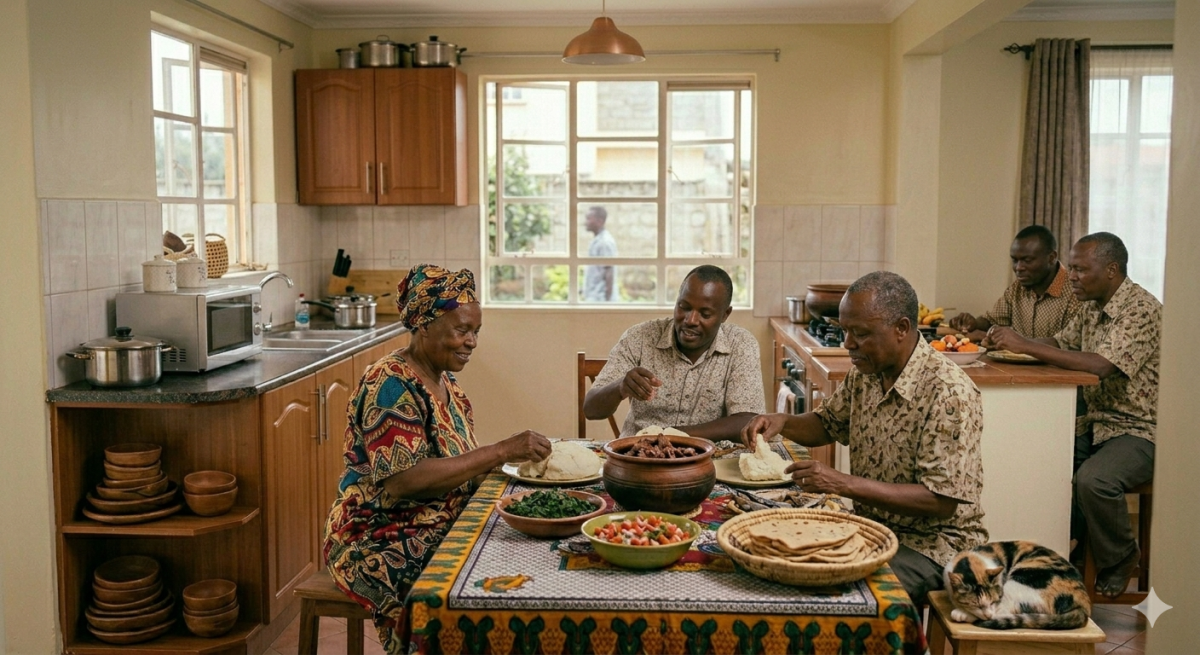
- Help where you can, even if you’re just visiting
If you are close enough to the kitchen, ask, “Nisaidie na kitu?” Even if they say no, the gesture matters.
In Kenyan homes, effort is part of respect.
- Time your exit wisely
After eating, do not just stand up and declare “I’m leaving.” That’s not how it works.
Expect a short conversation, maybe tea, maybe stories about relatives you’ve never met. Leaving too quickly can feel rude.
- And finally, remember, food carries meaning
In many Kenyan homes, sharing a meal is more than hospitality. It’s trust. It’s saying, “You belong here, at least for this moment.”
So the next time you find yourself visiting a Kenyan home during mealtime, do not overthink it.
Just read the room, respect the rhythm, and enjoy the food. Because honestly, you were probably meant to eat there anyway.