Advertisement
‘Chat, am I crazy?’: Inside Gen Z’s emotional bond with ChatGPT
12th May, 2026 11:55 AM

I found out my friends call ChatGPT ‘Chat.’
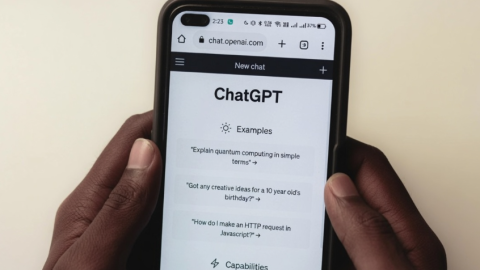
At first, it sounded ridiculous. Not the kind of ridiculous that makes you worried, but the kind that makes you laugh for a second before realising everyone around you is doing it too. Someone says, “Chat, am I overthinking?” after a breakup. Another asks, “Chat, help me write this text before I embarrass myself.” Suddenly, the chatbot is no longer just an app. It has become part of daily conversation, almost like an invisible friend sitting quietly inside everyone’s phone.
For many Gen Z users, ChatGPT is no longer only a tool for homework, emails or fixing grammar mistakes. It has become a therapist-lite, life coach, emotional support system, and late-night companion rolled into one glowing screen.
And while older generations may find the behaviour strange, researchers say the emotional attachment young people are developing toward AI is very real.
The generation that talks to screens naturally
Gen Z grew up communicating through technology. This is a generation that has spent years building friendships through Snapchat streaks, Discord servers, TikTok comments and group chats that somehow manage to discuss heartbreak, memes and conspiracy theories all at once.
For them, digital interaction does not feel artificial. It feels normal.
That is partly why speaking to ChatGPT feels surprisingly natural to many young people. The chatbot responds instantly, sounds conversational and never acts annoyed, no matter how many times someone asks, “Wait, explain it again.”
Unlike humans, AI does not disappear for five hours and return with “sorry I forgot to reply.” It does not interrupt your story halfway through to talk about itself. It simply listens, responds and stays available at all hours of the day.
In a world where many people feel emotionally exhausted, that consistency can become comforting very quickly.
Why so many young people are opening up to AI
There is something emotionally safer about talking to a machine that cannot judge you.
Friends may gossip. Social media can turn vulnerability into content. Family members sometimes misunderstand what you are trying to say. ChatGPT, however, feels calm and predictable. You can vent dramatically at 2 am about your entire life crisis, and the chatbot will still respond politely.
That emotional safety is one reason many Gen Z users are becoming attached to AI conversations.
Some ask ChatGPT for relationship advice. Others use it to process anxiety, prepare for difficult conversations or simply organise thoughts when life feels chaotic. Many users admit they tell the chatbot things they would never comfortably say out loud to another person.
Online forums are full of people joking that ChatGPT “knows too much” about their lives.
The humour sounds lighthearted, but the emotional dependence underneath it reflects a deeper issue: many young people are struggling with loneliness.
The loneliness behind memes
Gen Z is considered the most digitally connected generation in history, yet many studies show young people are experiencing rising levels of loneliness and emotional burnout.
Social media often creates pressure to appear constantly happy, productive and socially active. Behind the carefully edited posts and trending audios, many users quietly feel isolated, anxious or overwhelmed.
AI companionship enters that emotional gap almost perfectly.

ChatGPT offers attention without interruption. It replies immediately. It sounds supportive. It does not make users feel like a burden for talking too much. In many ways, the chatbot provides something modern life increasingly lacks: patience.
That is part of what makes emotional attachment to AI so understandable.
For some users, speaking to ChatGPT feels less intimidating than speaking to real people because there is no fear of embarrassment or rejection. The chatbot cannot laugh at you, expose your secrets or suddenly decide you are “too much.” Humans can.
TikTok turned “Chat” into internet culture
TikTok has played a huge role in normalising emotional attachment to ChatGPT.
Videos of users talking to AI now attract millions of views, especially when the chatbot gives unexpectedly thoughtful advice. Some creators post screenshots of emotional conversations with captions like, “ChatGPT healed me more than my ex ever did.”
Others joke about running to “Chat” after every mildly inconvenient life event.
The internet has essentially transformed AI interaction into a personality trait.
And the nickname itself matters more than people realise. Calling it “Chat” makes the technology sound personal, casual and familiar. It no longer feels like speaking to a robot. It feels like messaging someone who always answers.
That familiarity strengthens emotional connection.
Researchers studying chatbot interaction have found that people are more likely to emotionally bond with AI systems when the conversations feel human-like and emotionally responsive. The more natural the interaction sounds, the easier it becomes for users to treat the chatbot like a social presence instead of software.
Can AI actually replace human relationships?
Not entirely.
Experts say AI can imitate empathy very well, but it does not truly experience emotions. ChatGPT may sound understanding, but it does not actually feel sadness, joy, heartbreak or concern. It predicts supportive responses based on language patterns rather than lived experience.
Still, the emotional comfort users feel can be genuine.
That is why the conversation around AI attachment is complicated. On one hand, chatbots can help people organise thoughts, calm anxiety or feel less alone during stressful moments. On the other hand, experts worry that some users may begin depending on AI too heavily instead of building real-world support systems.
Human relationships are messy, unpredictable and emotionally demanding, but they also offer something AI cannot fully recreate: genuine connection.
Friends challenge you. Family members truly worry about you. Real people share experiences, memories and emotional growth together. AI can simulate companionship, but it cannot replace the depth of actual human care.
More than just a funny trend
At first glance, Gen Z calling ChatGPT “Chat” sounds like another harmless internet joke.
But underneath the memes is a bigger cultural story about loneliness, technology and the modern search for connection. Young people are living through an era where everyone is constantly connected online, yet many still feel emotionally unseen.
AI did not create that loneliness. It simply arrived, offering an easy, immediate response to it.
And maybe that is why so many people now instinctively open ChatGPT after a bad day, a breakup or a spiral of overthinking at midnight.
Not because they believe the machine is human.
But sometimes, being heard at all feels comforting enough.