Advertisement
Best vegetables to grow for weekly income in Kenya
22nd April, 2026 01:09 AM
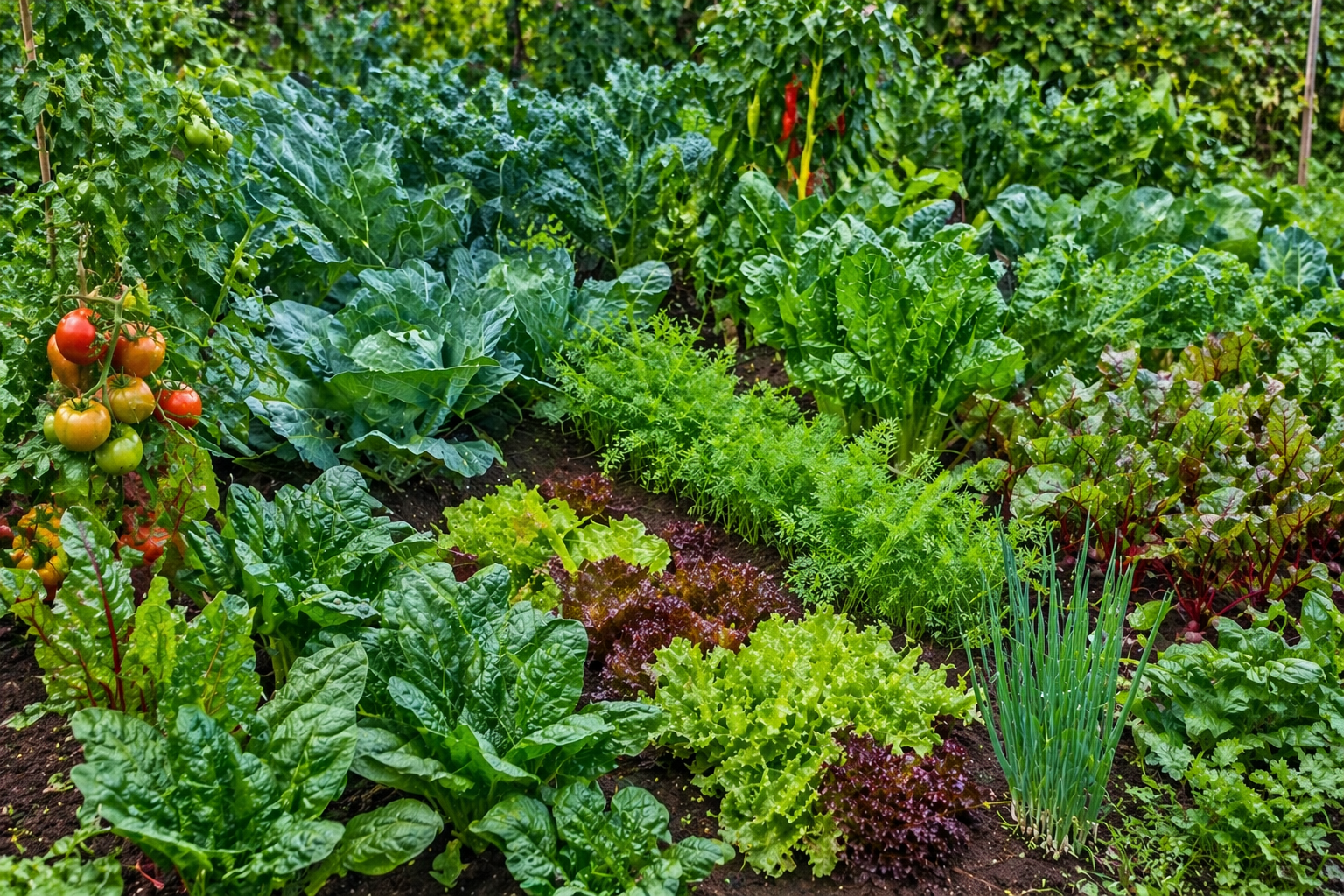
Many Kenyans think farming only makes sense if you own acres of land in the village or have a lot of money to invest. That is not always true.
Some of the people making steady cash every week are working with small plots, backyard spaces, rented gardens or even kitchen gardens near town.
The secret is choosing crops that people buy almost every day.
Vegetables stand out because they grow faster than many crops, need less space and have ready buyers in estates, markets, hotels, schools and roadside kiosks.
If your goal is a regular weekly income, these are among the best options to consider.
Sukuma wiki
Few crops are as dependable in Kenya as sukuma wiki.
It is cooked in homes across the country, from villages to estates in Nairobi. Demand stays strong because it is affordable and familiar.
According to the Kenya National Bureau of Statistics household consumption reports, vegetables such as kale remain common in daily household meals, showing steady demand across income groups.
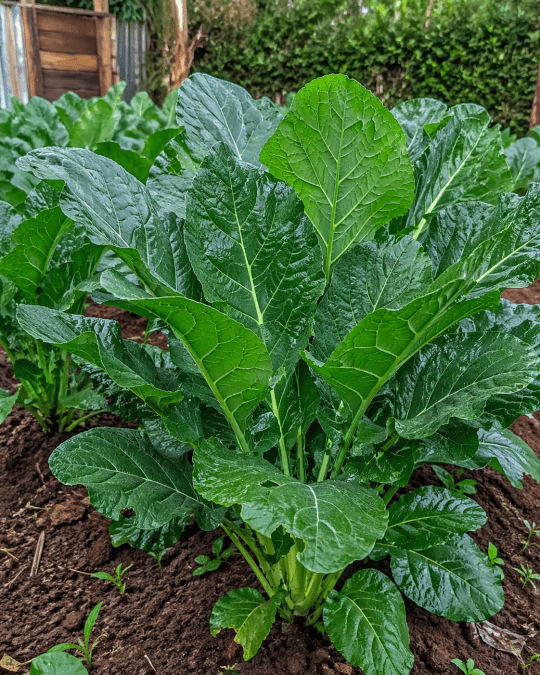
Many farmers like sukuma because you can harvest leaves gradually instead of uprooting everything at once.
Spinach
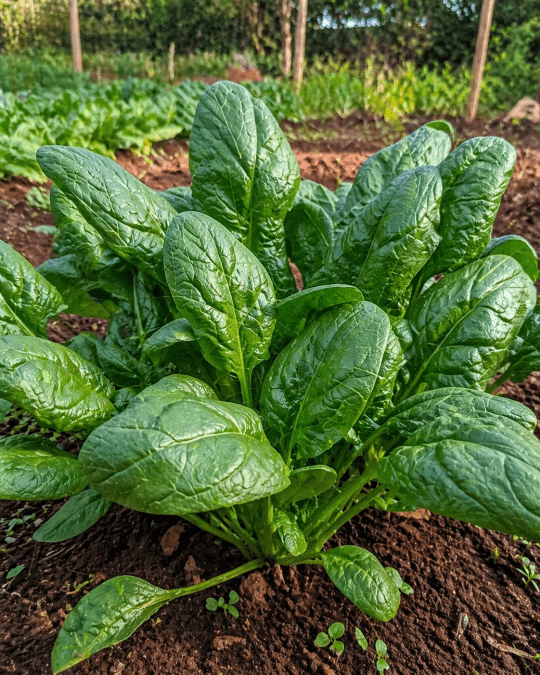
Spinach is another strong option, especially in urban areas where many buyers prefer softer vegetables.
It grows relatively fast and can be sold to homes, hotels and vegetable vendors.
The Agriculture and Food Authority has previously highlighted leafy vegetables among key horticulture products supporting domestic markets in Kenya.
With good watering and care, spinach can give quick returns.
Dhania
Dhania may look small, but it sells fast.
It is used in homes, butcheries, hotels, street food stalls and chapati businesses. Even a small bundle has a ready buyer in busy areas.
For farmers near towns, dhania can move quickly because transport is easier and freshness matters.
Many small-scale growers prefer it because it does not need huge land.
Tomatoes
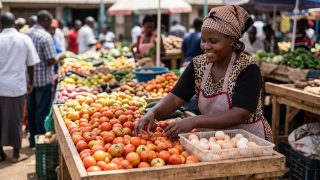
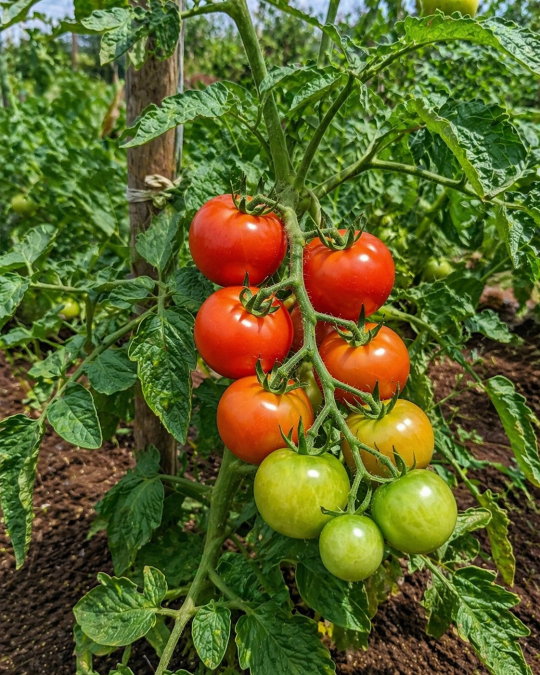
Tomatoes remain one of the biggest money crops in Kenya.
The Horticultural Crops Directorate has repeatedly listed tomatoes among the top vegetables produced and traded locally.
They are used daily in homes, restaurants and food businesses. When market prices are good, returns can be strong.
The challenge is that tomatoes need better planning because of pests, diseases and price drops during oversupply.
Onions
Onions are used in almost every kitchen.
Whether it is bulb onions or spring onions, demand is constant. Homes, hotels and food kiosks buy them daily.
Because onions are a basic ingredient, finding buyers is usually easier than with unfamiliar crops.
Lettuce
Lettuce has grown in demand, especially in towns.
Fast food outlets, supermarkets, hotels and health-conscious buyers now buy more lettuce than before.
It can do well if you are farming near urban centres where fresh delivery is possible.
What really brings profit
The crop matters, but management matters more.
Water, soil fertility, pest control, market timing and quality can decide whether you profit or struggle.
A small, well-managed plot can beat a large neglected farm.
The best vegetables for weekly income in Kenya are usually the ones people cook often and buy repeatedly.
Sukuma wiki, spinach, dhania, tomatoes, onions and lettuce remain smart choices depending on your area.
You may not need acres of land to start. Sometimes one productive piece of land is enough to begin building a steady income.