Advertisement
Beer spiking: Chemicals criminals use and how victims are affected
20th May, 2026 12:14 AM
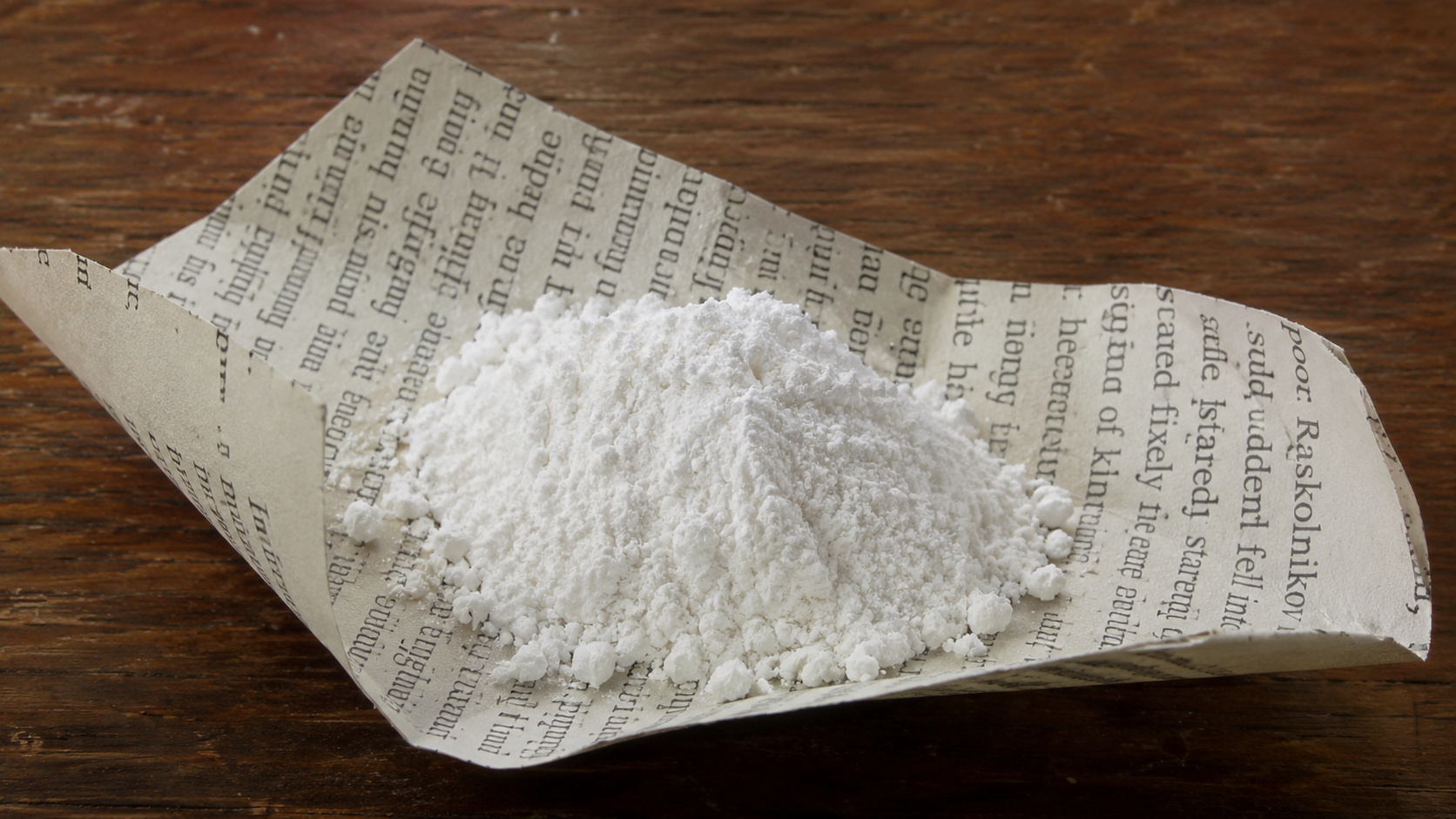
Drink spiking remains a growing concern in nightlife venues, parties and social gatherings, with victims often reporting sudden disorientation, memory loss and rapid intoxication that does not match the amount of alcohol consumed.
Medical professionals describe it as a form of covert drug intoxication where substances are introduced into drinks without consent to impair judgment and consciousness.
While the exact substances vary and are often difficult to confirm without toxicology testing, doctors and forensic experts generally group them into a few broad categories based on their effects on the central nervous system.

Sedative and depressant
One of the most commonly reported categories in suspected drink spiking cases involves sedative or depressant agents.
These substances slow brain activity, reduce alertness and can cause rapid drowsiness.
In clinical settings, victims often present with sudden fatigue, confusion, slurred speech and reduced coordination. In more severe cases, they may become semi conscious or completely unconscious within a short period.
The danger with this category is that it can combine with alcohol, intensifying its effects and making impairment far stronger than expected from drinking alone.
Anti anxiety and sleeping type
Another category linked to drink tampering cases involves compounds originally designed for anxiety or sleep disorders.
These affect memory formation and can cause what doctors describe as anterograde amnesia, where a person is awake but later cannot recall events.2

Victims frequently report “lost time,” confusion about how they moved between locations, and inability to recall conversations or actions.
This is one of the most reported symptoms in nightlife related assault cases because it delays recognition of what happened.
Dissociative type substances
Medical experts also describe a group of substances that can distort perception, time awareness and sense of reality.
In suspected spiking cases, victims may feel detached from their surroundings, experience hallucination like effects or become extremely disoriented.
These effects can be frightening and often lead to panic, poor decision making and vulnerability in unfamiliar environments.
Antihistamine and sedation enhancing agents
Some cases also involve substances that, while originally used for allergies or other medical conditions, can cause strong drowsiness and sedation at higher levels or when mixed with alcohol.
Victims often appear extremely intoxicated within a short time, sometimes far beyond what witnesses would expect based on alcohol intake alone.
Why drink spiking is difficult to confirm
One of the biggest challenges in these cases is detection.
Many of these substances metabolise quickly in the body, meaning they may not be easily traceable hours later unless specific toxicology tests are done immediately.
In Kenya, limited access to rapid forensic testing means many cases go unconfirmed, relying instead on victim accounts and clinical symptoms.
Common warning signs doctors look for
Medical professionals often suspect drink spiking when they see:
- sudden extreme intoxication not matching alcohol intake
- rapid loss of coordination or consciousness
- memory gaps or confusion about events
- unusually deep sedation
- vomiting combined with disorientation
What victims should do immediately
Health experts advise that anyone who suspects drink spiking should:
- seek medical attention immediately
- avoid showering or changing clothes if assault is suspected
- report to authorities as soon as possible
- stay with trusted companions
- request toxicology testing early where available