Advertisement
A hidden blood pump: How chewing more boosts your brain
17th May, 2026 01:02 PM
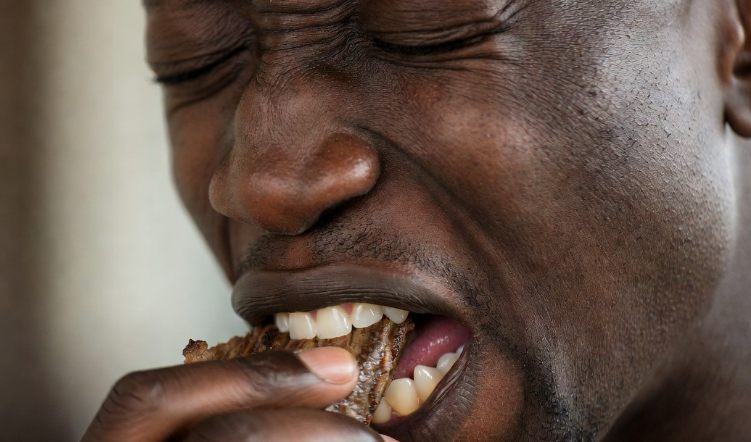
While it’s widely known that chewing more improves digestion, research suggests it can also boost our brains and even help fend off Alzheimer’s
For once, chewing a shallot 722 times before swallowing it, Horace Fletcher was dubbed “The Great Masticator”.
The American self-taught nutritionist believed food should be chewed until it is completely liquefied, and it practically swallows itself. Fletcher even estimated that vigorous chewing could have saved the US economy of the early 20th Century more than half a million dollars a day, because the average person would have ingested less food daily.
Fletcher’s doctrine may have been a little extreme, but in some aspects, he was actually right, says Mats Trulsson, professor in the department of dental health at the Karolinska Institutet in Sweden.
Chewing and overall health
Chewing more can provide a wide range of health benefits, from improving digestion and helping people consume fewer calories to alleviating stress and anxiety and improving cognition by solidifying memory skills and boosting attention span.
As there is a correlation between tooth health and Alzheimer’s disease and dementia, some experts argue that improving dental health could even help protect mental ageing.

The earliest hominins, who lived roughly six to seven million years ago, had teeth similar to apes today, suited for eating large, fleshy fruit.
As diets changed, humans evolved stronger jaws and larger molars to handle tougher foods like seeds and nuts. Today, due to cooking and food processing, humans spend far less time chewing compared to early ancestors and other primates.
Chewing and digestion
Chewing plays a key role in digestion as it breaks food into small particles and mixes it with saliva. This is the first phase of digestion. If food is not chewed properly, the gut is not fully prepared to process it, which may lead to bloating and discomfort.
Chewing also helps increase nutrient absorption. Studies show that more thorough chewing can improve energy extraction from food. It also increases feelings of fullness because it gives the body more time to release satiety hormones that signal when we are full.
Brain health and memory
Researchers have also linked chewing ability with brain health. This “bite–brain axis” suggests that chewing may influence memory and cognitive function.

Studies on older adults show that people with better chewing ability often perform better on memory and cognitive tests. Some researchers believe chewing increases blood flow to the brain, helping keep it active.
Chewing has also been shown to improve alertness and focus in some studies, though the effects are usually short-term. It may also reduce stress levels in certain situations, although research is still ongoing and findings are mixed.
Overall, chewing is more than just a mechanical step in eating. It plays a role in digestion, nutrition, brain health, and stress regulation. Experts, however, emphasise that there is no need for extreme chewing, just slow, mindful eating is enough to gain benefits.