Advertisement
10 Kenyan fruit and vegetable peels that are still edible
15th May, 2026 08:34 AM
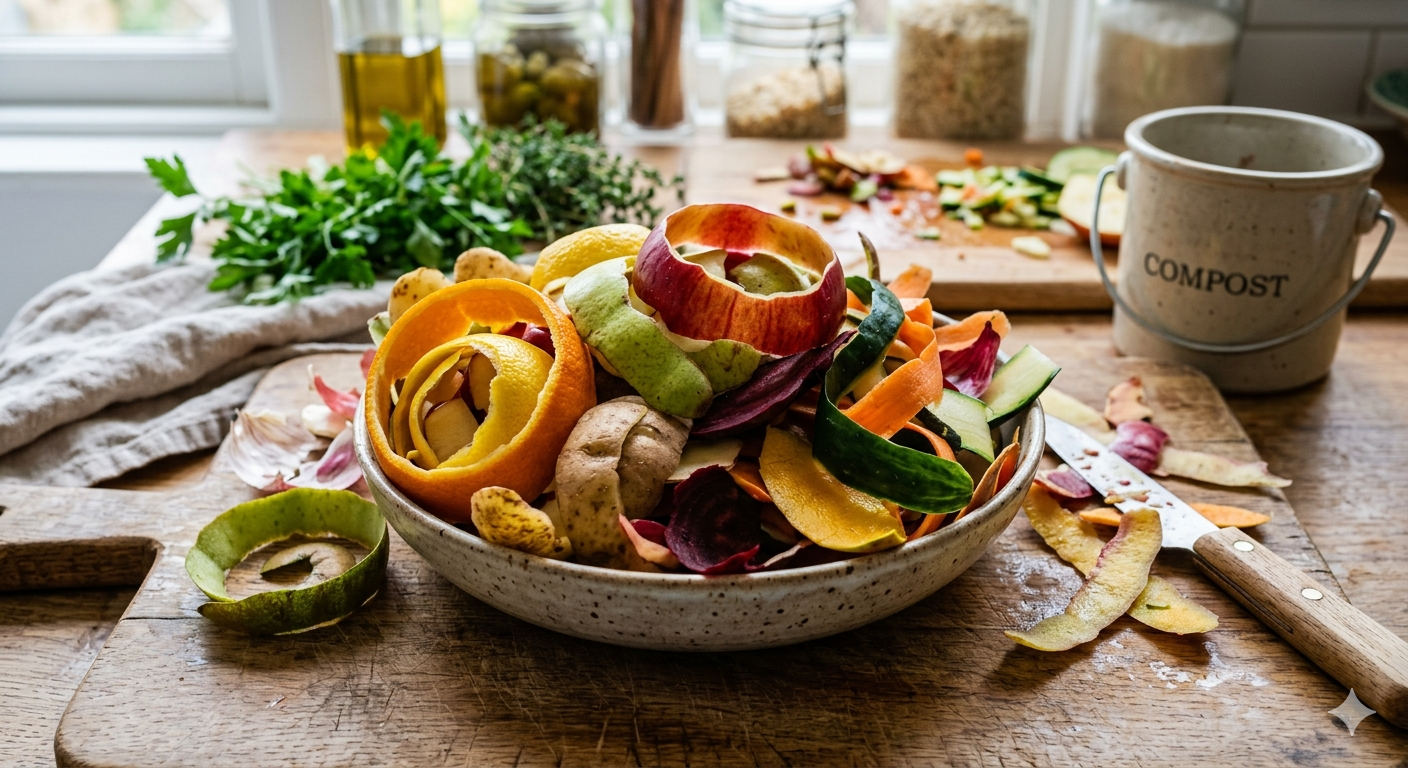
In many Kenyan homes, fruit peels and vegetable scraps often end up in the dustbin without a second thought. After peeling bananas for breakfast, preparing potatoes for dinner, or cutting up watermelons on a hot afternoon, most people assume the leftovers have no value.
But nutrition experts say some of the parts often considered waste are still packed with fibre, vitamins and useful nutrients. Across different cultures, many of these scraps are used in cooking, blended into drinks or added to meals for extra flavour and health benefits.
With the rising cost of food and growing conversations around sustainability, learning how to use every edible part of produce is becoming more practical.
Fruit peels can go beyond the bin
Banana peels, especially from ripe bananas, can be boiled until soft and blended into smoothies, added to porridge or cooked into stews. They contain fibre, potassium and antioxidants.
Similarly, mango peels, when properly washed, can be blended into fresh juice or used in homemade salsa. Their slightly bitter taste can balance the sweetness in recipes.
Watermelon rind, the pale green and white part often discarded, is also edible. It can be stir-fried, pickled or blended into juice. It contains hydration-supporting compounds and fibre.
Vegetable peels hold surprising value
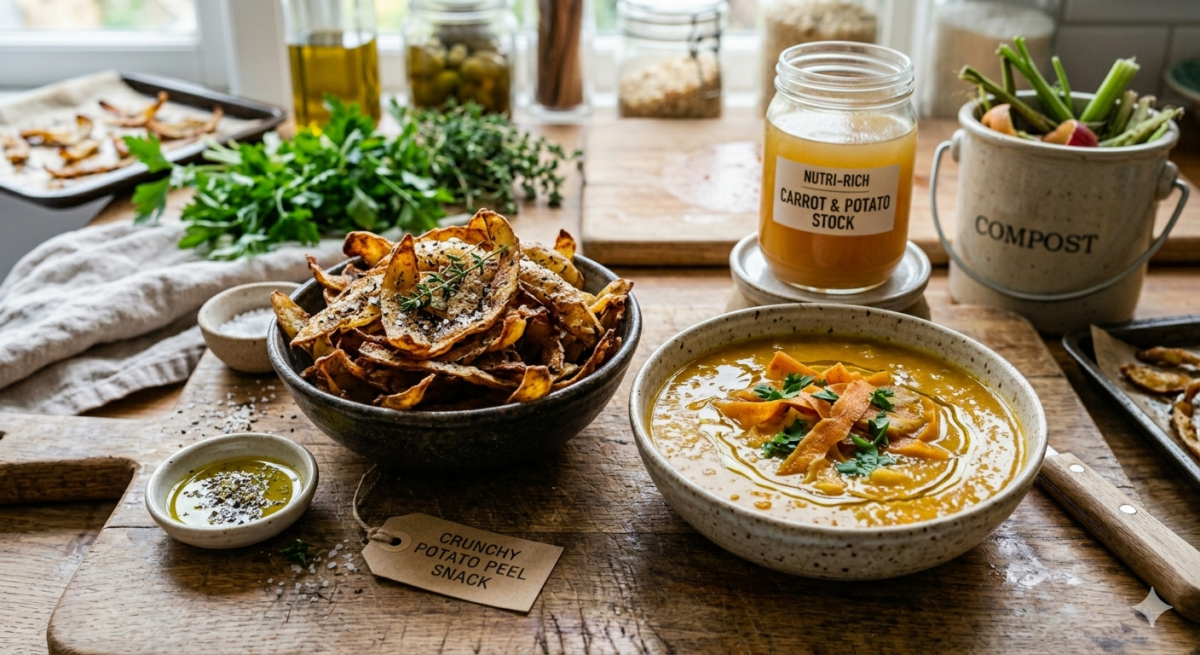
Potato peels are rich in fibre and minerals when washed thoroughly and baked until crisp. They can be turned into a crunchy snack with a little oil and seasoning. Carrot peels can be added to soups, vegetable stock, or blended into sauces. Since most of the nutrients in carrots sit close to the skin, peeling too deeply can remove valuable content.
Pumpkin skin, commonly thrown away in many homes, becomes soft when cooked and can be eaten in stews. It contains vitamin A and dietary fibre. Broccoli stalks and sukuma wiki stems are also often overlooked. Instead of tossing them out, they can be chopped finely and added to stir-fries, soups or blended into green smoothies.
Citrus peels bring flavour and function
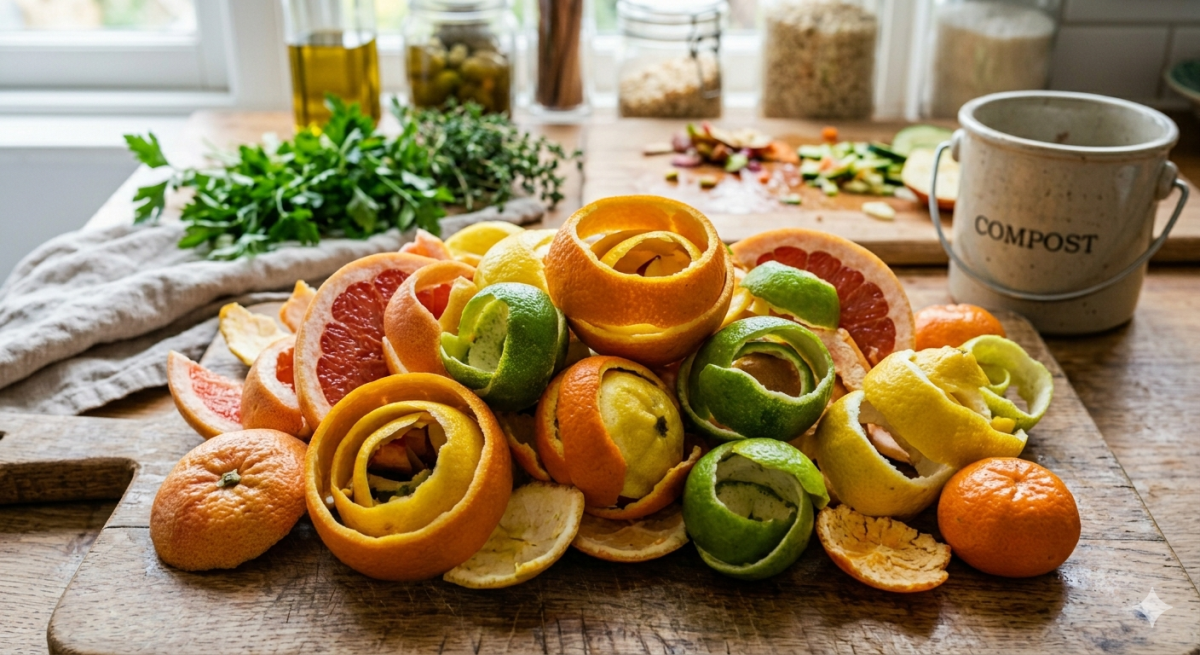
Orange and lemon peels can be dried and grated into tea, cakes or porridge. Their natural oils carry a strong flavour and contain plant compounds known for antioxidant properties.
Even avocado seeds, though less commonly used, can be dried, grated in small amounts, and added to smoothies. They contain antioxidants, though they should be consumed sparingly.
According to the Food and Agriculture Organization, reducing food waste at the household level plays a major role in improving food security and sustainability. The organisation notes that making full use of edible produce can help households stretch food budgets while reducing environmental waste.
The National Institute of Health also emphasises increasing fibre-rich food consumption for better digestion and overall health.