Advertisement
First international trip? 7 passport and travel checks to make before leaving Kenya
18th September, 2026 03:57 PM

If it is your first international trip, the excitement can easily overshadow the small details that determine whether your journey goes smoothly. From checking your passport to confirming entry requirements, a little preparation can save you from problems at the airport.
For Kenyan travellers, passport and immigration requirements should be checked before leaving for the airport. The Directorate of Immigration Services requires departing travellers to present a valid passport or acceptable travel document and a boarding pass, among other procedures.
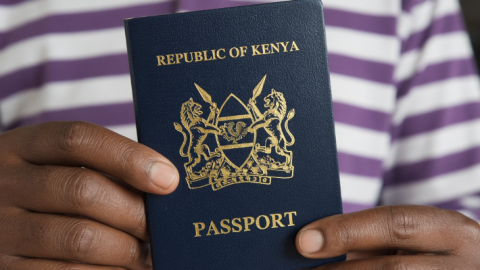
1. Check your passport’s validity
Do not wait until travel day to check your passport. Look at the expiry date and confirm that it meets your destination’s requirements.
Many countries require passports to have several months of validity remaining after the planned trip. Requirements vary by destination, so check the specific rules for the country you are visiting.
Also make sure the passport is in good condition and has enough blank pages if your destination requires entry or exit stamps.
Kenyan passports are issued as ePassports and are generally valid for 10 years.
2. Confirm whether you need a visa
Having a Kenyan passport does not automatically mean you can enter another country without a visa.
Before booking your flight, check whether your destination requires a visa, an electronic visa, a visa on arrival or another travel authorisation. Requirements can also depend on the purpose and length of your visit.
Do not rely solely on information from friends or old social media posts because entry rules can change.
The IATA Travel Centre provides current passport, visa and health requirement information drawn from official sources and used by airlines.
3. Check your flight details carefully
A small mistake in your booking can cause unnecessary stress at the airport.
Check your name, passport number where applicable, travel date, departure time, destination and connecting flights. Make sure the name on your ticket corresponds with your travel document.
If you have a connecting flight, check whether you need to meet any transit visa requirements for the country where you will change planes.
4. Keep important travel documents together
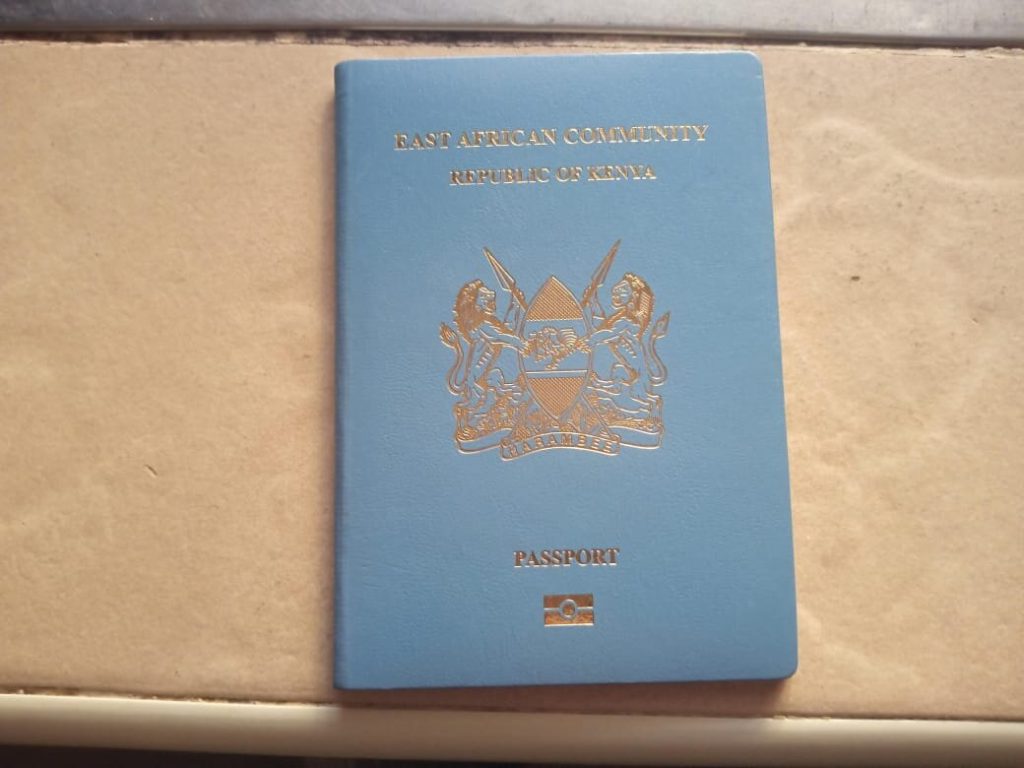
Your passport should not be the only document you have with you.
Depending on your destination and purpose of travel, you may need documents such as a visa approval, hotel reservation, return or onward ticket, travel insurance, invitation letter or proof of funds.
Keep digital copies of important documents on your phone and, where practical, have backup copies available separately.
Airlines are required to check passengers’ travel documentation before boarding, so missing documents can cause problems before you even leave Kenya.
5. Check health requirements
Some destinations have specific vaccination or health requirements for travellers.
Check the requirements for your destination well before the trip, especially if you need a vaccination certificate or other health documentation.
Do not assume that because another person travelled to the same country without a particular document, the same rules will apply to you. Requirements can depend on your recent travel history and other circumstances.
6. Check your baggage allowance
Before packing, look at the baggage allowance attached to your ticket.
Find out how many bags you can check in, the permitted weight and the rules for hand luggage. Also check which items are restricted or prohibited in cabin and checked baggage.
For a first-time traveller, arriving at the airport with an overweight bag can turn an exciting trip into an unexpected expense.
7. Have a plan for your arrival
Preparing for the journey does not end when the plane takes off.
Know where you will stay, how you will get from the airport to your accommodation and who you can contact in case something goes wrong.
Keep your passport and essential documents somewhere secure throughout the journey. It is also useful to have emergency contacts and your accommodation details easily accessible.
Most importantly, check the official requirements for your specific destination shortly before travelling. Immigration rules can change, and having a valid passport alone does not guarantee entry into another country.