Advertisement
A blinding parasitic eye disease affects mostly contact lens wearers. Here’s how to avoid it
11th January, 2026 02:56 PM
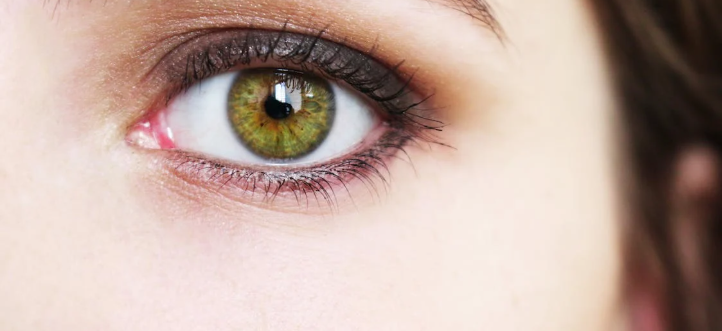
Teresa Sanchez was in Mexico for a medical procedure nearly four years ago when she kept feeling dry, prickling sensations in her right eye.
She chalked it up to a potential rip in her contact lens, the general dryness she had felt since she started wearing monthly contacts instead of dailies, or her body possibly fighting off an illness.
Acanthamoeba, a single-cell organism that doesn’t need a host to survive and is commonly found in water and soil sources, is one of many pathogens or microbes that can cause keratitis, said Jacob Lorenzo-Morales, professor of parasitology at the University of La Laguna in Spain, via email.
The hardy parasite is also highly attuned to threats and responds with formidable defence mechanisms, prolonging a treatment process that’s already months to years long and often fraught with other hurdles and pain.
Because of Acanthamoeba’s extraordinary resilience and the eye’s sensitivity, working closely with your eye professional and following their guidance is crucial.
A rough road to diagnosis
Diagnosing Acanthamoeba keratitis early on can be challenging for a few reasons.
The rarity of the condition means many optometrists don’t know about it, which likely explains why many contact lens wearers never hear about acanthamoeba keratitis until they contract it themselves or see viral social media posts on the condition, such as Sanchez’s TikTok video.
Many contact-wearing commenters on these posts say they are shocked that they had never been warned by optometrists or the fine print on contact lens packaging about not showering or swimming while wearing contacts.
The Contact Lens Society of America said via email that “contact lenses are medical devices, and care and hygiene instructions, including avoiding contact with water while swimming, showering, or sleeping, are an important part of routine contact lens care.” The CLSA is a network of members from the eye care field and the contact lens manufacturing and services industry.
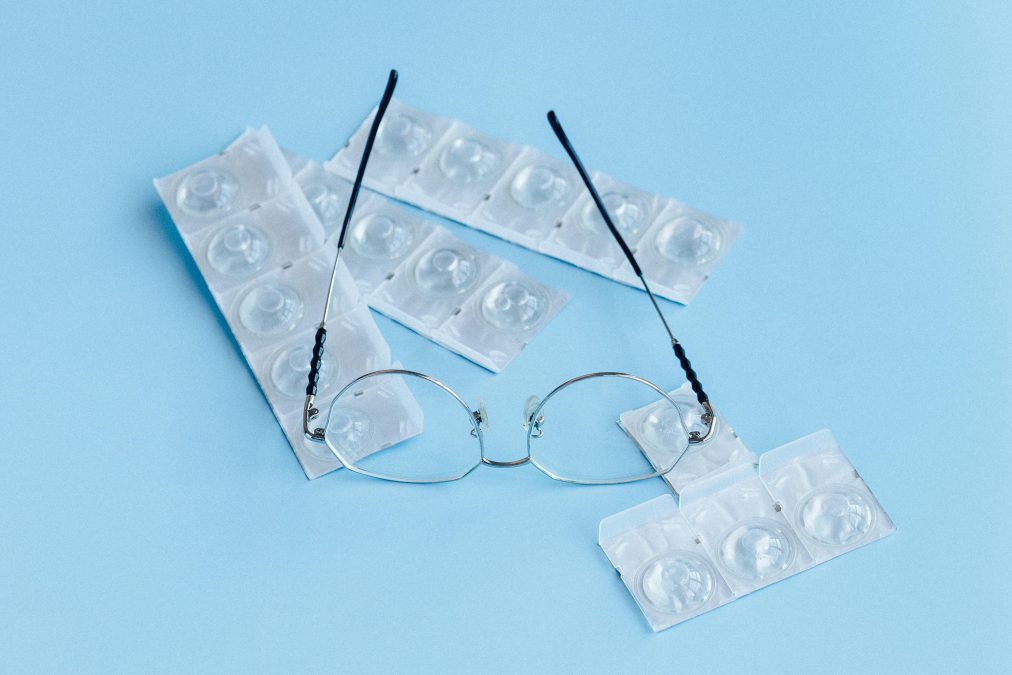
Grace Jamison, a 20-year-old woman in the western United States, had a similar experience. Jamison developed acanthamoeba keratitis in both eyes after wearing her contacts while showering in the Dominican Republic in May.
When she arrived back home several weeks later, her optometrist misdiagnosed her and prescribed steroid drops. After just another week, Jamison was blind, and she remained that way for about two months before she began proper treatment.
“A lot of the time, we don’t realise how good life is or how there are so many things that can go wrong,” Jamison said. “It’s so sad that we don’t appreciate what we have when we do have it. When I was completely blind in both of my eyes, I regretted not taking advantage of how I could see before.
“I regretted not being on screens less, just looking at how beautiful outside is, or looking at people that I know and love.”
The cause of Jamison’s clouded vision is damage from an inflammatory response to the pathogen.
Grace Jamison’s eye in the early stages of Acanthamoeba keratitis. Grace Jamison
In the same eye, the disease progresses to the point of scarring and clouded vision. Grace Jamison
“There are times when I get really sad, and I wish that my right eye didn’t look like it didn’t have a pupil,” Jamison said. “And occasionally I get people in public that are like, ‘What’s going on with your eye?’”
Using contacts safely
Want to reduce your chances of getting acanthamoeba keratitis? When cleaning and storing contacts, always use store-bought or prescription contact solution instead of water, experts said. The solution in your contacts case should also be changed every day.
Washing and drying your hands before applying contacts is important for preventing eye infections from various sources.
Never wear your lenses while asleep, either, since that can cause dryness, irritation, abrasions and entrapment of germs that can lead to serious infections. Using daily disposable contacts instead of monthlies can also lower the risk of infections.

If doing water-based activities without wearing contact lenses isn’t safe for you, you can try glasses or prescription goggles. But the concern may also be a good reason to discuss vision correction surgery with your doctor, said Ashley Brissette, an ophthalmologist at Kelly Vision, a LASIK and cataract surgery centre in New York City.
Such procedures include Smile, PRK (photorefractive keratectomy) or LASIK, all laser-based surgeries, and EVO ICL, which stands for “evolution implantable collamer lens,” Brissette said.
Each of those surgeries has its pros and cons, she added, and what works for one person may not for another, depending on one’s eye shape, health and prescription. Brissette underwent LASIK and found it “life-changing,” she said.
The keys to proper diagnosis
Accurately diagnosing acanthamoeba keratitis begins with taking a careful history of a patient’s recent contact-wearing and lens care habits, Barney said.
There are a few tests, including a corneal razor scraping, swabbing or biopsy that can be processed in a lab via culturing or a polymerase chain reaction (PCR) test, which diagnoses based on the organism’s genetic information, experts said.
A confocal microscope, an advanced imaging technique, allows professionals to see the amoeba in the cornea once it encapsulates itself as a cyst, Barney said.
In this form, the organism can lie dormant for months to years in response to harsh environments, including those created by the human host’s immune response or medications meant to kill the parasite.
However, these tests, especially the more advanced ones, aren’t readily available everywhere, and neither are the specialists who administer them, he added. Testing is usually found in university settings or conducted by cornea specialists, and there aren’t many of them.
Not getting accurately diagnosed until seeing a cornea specialist, as in Sanchez’s and Jamison’s cases, is a common experience for patients with Acanthamoeba keratitis.
If you’re experiencing any concerning symptoms and know you were recently engaging in a high-risk behaviour, see a cornea specialist as soon as possible, sources recommended.
“Early recognition can really help to improve your outcomes,” Brissette said.
The challenges of killing a parasite
Trying to kill an acanthamoeba while protecting the eye is complicated.
The first-line treatments are anti-amoebic eye drops such as chlorhexidine, propamidine isethionate, hexamidine or PHMB, which is unlicensed in some countries, including the United States, Lorenzo-Morales said. Some of these drops, especially the chlorhexidine, can cause intense pain due to toxic effects on the cornea, adding to the agony the parasite is already causing, hence a need for new treatments, Lorenzo-Morales added.
“The drops are so, so painful, but it’s not deep pain, it feels more surface level, like extremely raw and dry,” said Hannah, a 26-year-old woman who has had acanthamoeba keratitis since September 2024. Hannah asked that her last name not be used due to privacy concerns.
Acanthamoeba keratitis causes redness in Hannah’s eye. Courtesy Hannah
For people being treated for acanthamoeba keratitis, Sanchez’s “biggest advice is that they trust their doctors and to be patient and not compare their journey with everybody else’s journey.”
“I was angry at the fact that my doctors didn’t want to go the fast route and do the transplant sooner, do the cataract surgery sooner,” Sanchez said. “But I’m glad that I trusted them, because had I not, I don’t think that 20/20 vision would have been my outcome, even though it came to me three years later.”
Hannah and Sanchez also recommended joining an online support group, which can be helpful emotionally but also practically.
Members of their groups have suggested doctors to help expedite diagnosis and treatment plans or advised ways to cope with the effects of the condition.
“I know it’s tough, but hang in there. It’s going to get better,” Hannah said, though what’s “better” varies for every patient.
Author
William Muthama
William Muthama is a digital journalist with a focus on entertainment, human interest, and current affairs. Share stories: [email protected]/ [email protected]
View all posts by William Muthama