Advertisement
5 non-negotiables for your toothbrush
14th January, 2026 09:46 PM
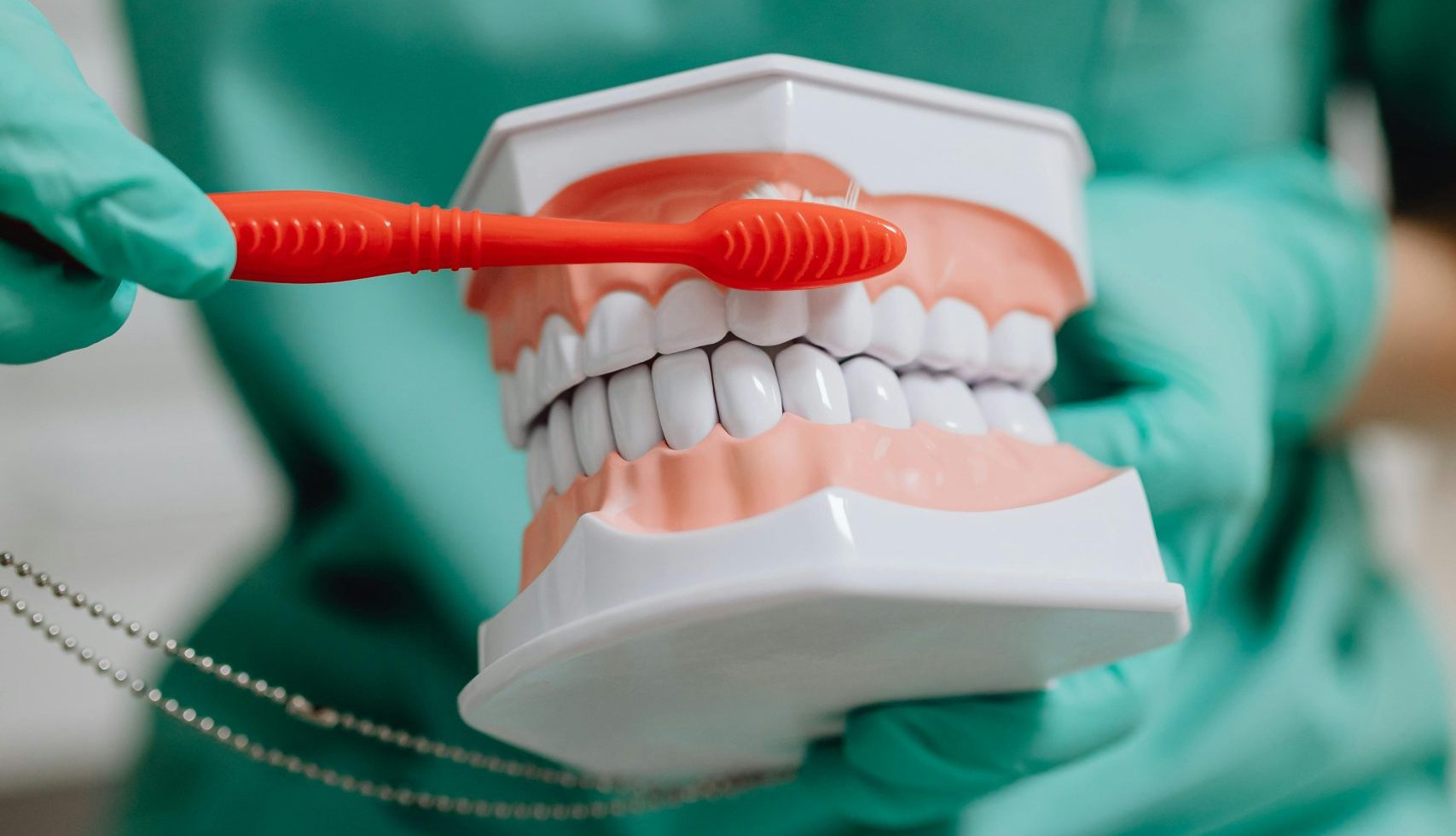
Many Kenyans focus on brushing twice a day but rarely consider the condition, storage, and lifespan of the toothbrush.
Dental experts warn that poor toothbrush hygiene can quietly undo all your oral care efforts.
Germs, moisture, and the wrong brushing tools can expose your mouth to repeated infections, gum disease, and tooth decay.
According to the World Dental Federation, a toothbrush is a medical hygiene tool and should be treated with the same seriousness as any other personal health item.
Below are expert-backed toothbrush rules every Kenyan should follow.
Replace your toothbrush every 3 months
Dentists worldwide agree that toothbrushes are not designed to last forever. Over time, bristles bend, fray, and lose effectiveness.
“After three months, toothbrush bristles become less effective at removing plaque and bacteria,” the American Dental Association states.
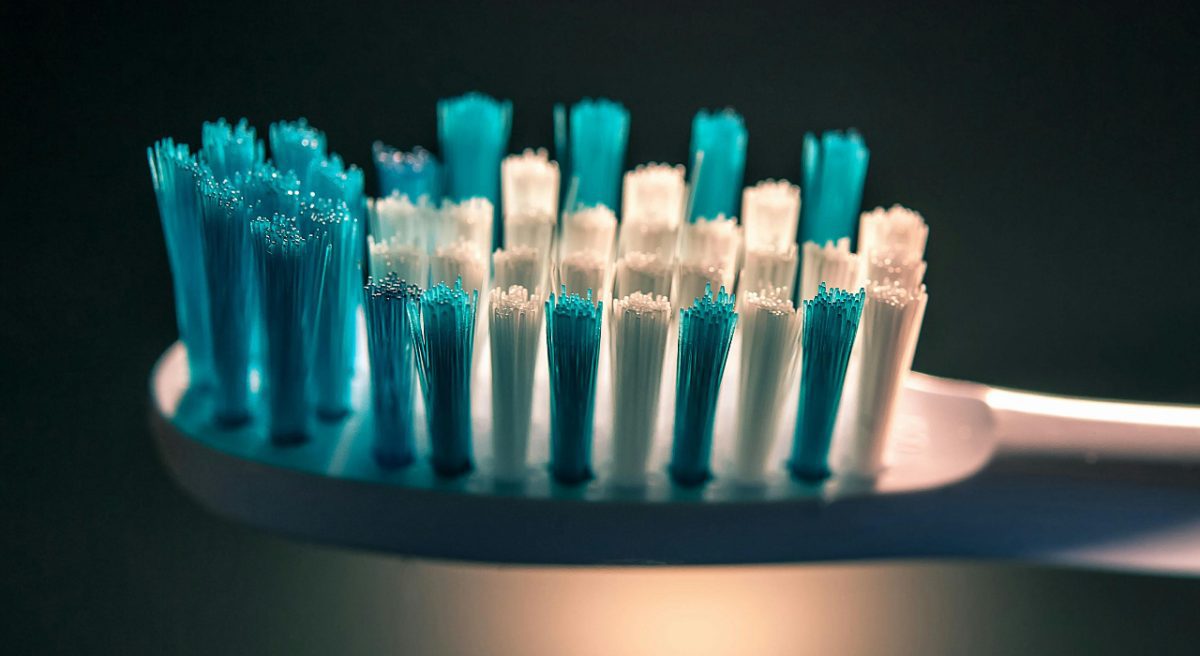
In Kenya’s warm and sometimes humid climate, bacteria can multiply faster on worn bristles.
Replacing your toothbrush every three months ensures proper cleaning and protects your gums from damage caused by rough, worn bristles.
Replace your toothbrush after illness
Many people continue using the same toothbrush even after recovering from the flu, sore throat, or mouth infections. This is risky.
“Bacteria and viruses can survive on toothbrushes and re-infect the user,” the Centers for Disease Control and Prevention warns.
Dental surgeons advise discarding your toothbrush after illnesses such as flu, tonsillitis, mouth sores or oral infections. This prevents the reintroduction of germs into your mouth and speeds up full recovery.
You need two toothbrushes, not one
Dental professionals recommend using separate toothbrushes for morning and night.
“A dry toothbrush is significantly cleaner than a damp one,” a study published in the Journal of Applied Microbiology explains.
Using two toothbrushes allows each to dry completely between uses. This reduces bacterial growth and lowers the risk of reinfection, especially for people prone to gum disease or mouth ulcers.
Medium bristles are not always the best choice
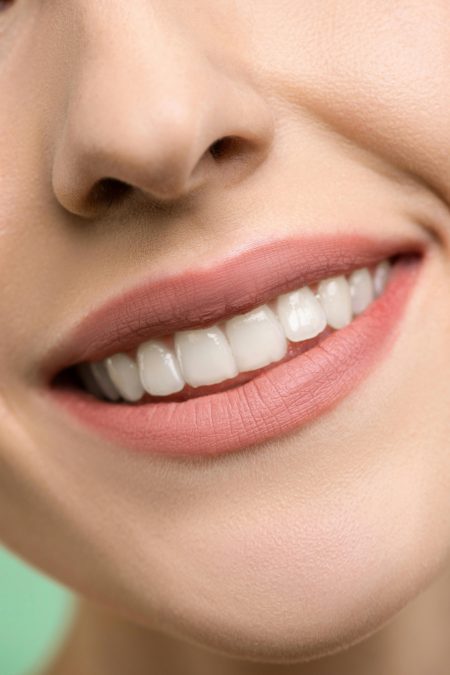
Many Kenyans believe medium bristles clean better. Dentists strongly disagree.
“Soft-bristle toothbrushes are the safest and most effective for removing plaque without damaging gums,” the American Dental Association says.
Medium or hard bristles can cause gum recession, enamel wear, and sensitivity over time. Soft bristles, when used correctly, clean just as effectively while protecting your teeth and gums.
Store your toothbrush upright and away from the toilet
Toothbrush storage is often ignored, yet it plays a major role in oral health.
“Flushing a toilet releases bacteria into the air, which can land on exposed toothbrushes,” a study published in the Journal of Advanced Dental Research found.
Dental experts advise storing toothbrushes upright, uncovered, and far from the toilet area. Avoid closed containers, as they trap moisture and encourage bacterial growth. Always allow your toothbrush to air dry naturally.
The bottom line for Kenyan households
Oral health is not only about toothpaste brands or brushing frequency. Simple habits such as timely replacement, proper storage, and choosing the right bristles can protect you from infections, medical costs, and long-term dental problems.
As Kenyan dental practitioners consistently advise, prevention is cheaper, safer, and more effective than treatment.
A clean toothbrush is not a luxury. It is a basic health necessity.