Advertisement
Your shower may be full of billions of bacteria; should you be concerned?
14th October, 2025 09:39 AM
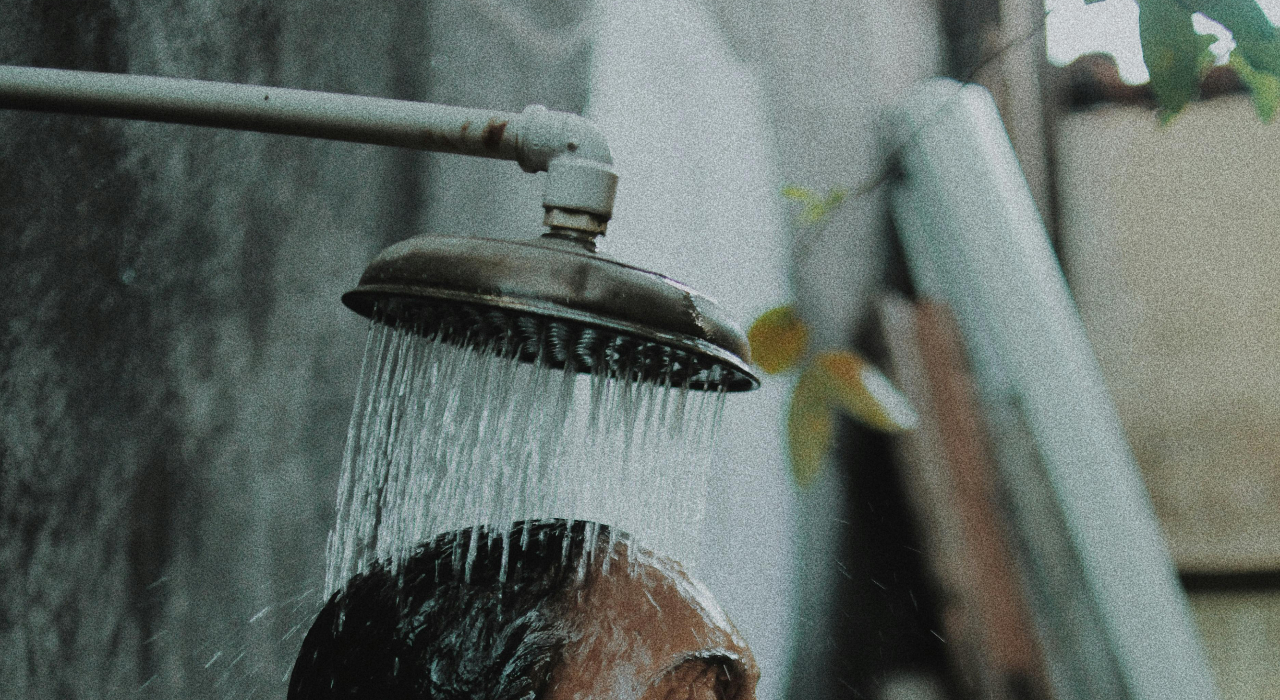
When most of us jump in the shower, we do so with the expectation of becoming clean. That seems reasonable – after all, hot water, steam, and soap should equal a fresh and sweet-smelling you. The last thing one expects is a plume of bacteria exploding onto your face.
Yet that is exactly what happens when you turn on the tap. Inside the last metre of your plumbing, a tiny ecosystem lurks, just waiting for you to switch on the hose. It means the first blast from a morning shower isn’t just water and steam. Overnight, a living film of bacteria builds up inside the shower hose and head.
Also Watch: Beer made from recycled shower water
Some of these microbes then hitchhike on the droplets that your shower creates. Most are ordinary and harmless. However, the exact microbial mix depends on the hose material and how often you shower – and that’s where the surprises begin.
Shower heads and hoses are prime real estate for bacteria. After you’ve showered, the hose remains warm, wet and undisturbed for hours at a time. Its long, narrow coil provides ample rough surface for microbes to colonise. Once there, bacteria feed on dissolved nutrients in the water, as well as tiny amounts of carbon that leach from the plastic shower hose.
Leave that system to stagnate overnight, and microbial communities will establish quickly. The bacteria form biofilms – gooey microscopic microbial “cities” that cling to almost any wet surface, from the hulls of ships to the plaque on your teeth. The biofilm fragments are then easily shaken into the spray when the tap is turned on.
So just how many bacteria are we talking about?
In tests conducted in laboratories and inside real homes, the number of bacteria on shower hoses can routinely reach millions to hundreds of millions of cells per square centimetre.
Most are harmless; however, groups including mycobacteria, a diverse group made up of microbes found in many places, including soil, as well as some pathogenic strains such as those responsible for tuberculosis and leprosy.
However, researchers who sampled household shower hoses in the UK also detected fungal DNA from genera such as Exophiala, Fusarium and Malassezia – organisms found on our skin and in soil, but that also, in some cases, can cause opportunistic infections.
But this cast of microbial characters is not static – it changes over time. In one study of 48 working shower units constructed in a laboratory, researchers in China found that the biofilm growing inside the shower pipe reached its peak at around four weeks of regular use. It then declined, largely because the biofilm was only loosely attached in the pipe, but then it rebounded after 22 weeks.
Somewhat concerningly, the researchers detected Legionella pneumophila, a bacterium that causes Legionnaire’s disease, in shower heads and hoses after just four weeks and when the biofilm resurged after a period of prolonged stagnation.
For most people, the risk of catching a bug from your shower head is low, particularly if you are using it frequently.
“Only showers contaminated with Legionella and other opportunistic pathogens pose a risk,” says Frederik Hammes, a drinking water microbiologist at the Swiss Federal Institute of Aquatic Science and Technology in Dübendorf, Switzerland.
“If a shower is contaminated with L. pneumophila specifically, the infection risk is relatively high, due to the proximity of the user to the point of aerosol formation.” But, he adds, the data suggest that the risk is highest among clinically vulnerable people.
This is why hospitals adopt stricter disinfection and shower head replacement routines. It can also depend on where you live. One US study also found that areas where showerheads contained more pathogenic mycobacteria also had higher rates of non-tuberculous mycobacteria (NTM) lung disease, a type of chronic lung infection.
Hotspots included Hawaii, Florida, southern California and the mid-Atlantic/northeast, including the New York City area. Some pockets of the upper Midwest also showed elevated levels.
Local climate and residual disinfectant in the water shape the shower microbiome – warmer locations and higher chlorine were associated with more of some pathogenic mycobacteria.
Regular maintenance is still the best approach
Regular cleaning by running very hot water through the shower, along with descaling your shower head or soaking it in lemon juice, can help to disrupt the microbes living there and control the size of biofilms.
If someone at home is clinically vulnerable, consider replacing shower hoses and heads annually rather than relying on expensive “antimicrobial” options.
For hospitals and care settings, where the stakes are far higher, guidance from both the NHS in the UK and the US Centres for Disease Control and Prevention emphasises the need for careful design choice and rigorous maintenance. Secondary disinfection of water supplies can also be important.
If the very idea of these microbial squatters in your shower bothers you, it might be better to think about it differently: your shower isn’t so much dirty as ecological. Think of it as a tiny community of bustling microbes waiting to greet you whenever you turn the taps. You’ll never get rid of them, or not for long. So it is better to learn how to live alongside them instead.