Advertisement
Why are women being forced to go abroad to help heal from a lifetime of trauma?
18th November, 2025 06:34 AM
Female genital mutilation (FGM) survivors in the UK have been told they have to wait for “more research into the effectiveness” of reconstruction surgery, forcing many to fund their own travel and treatment abroad.
The World Health Organisation-approved FGM reconstruction surgery is freely available on public health services in European countries like Switzerland.
Jasmine Abdulcadir, one of the world’s leading experts in FGM reconstruction surgery, sees up to 30 survivors a month at Geneva’s University Hospital.
“Not all of them will need or opt for surgery,” she told Sky News.
“There are several types of FGM, so the tissues involved might be diverse. It can be the labia, the clitoris, and the cutting might be more or less severe. So there are different types of surgeries.
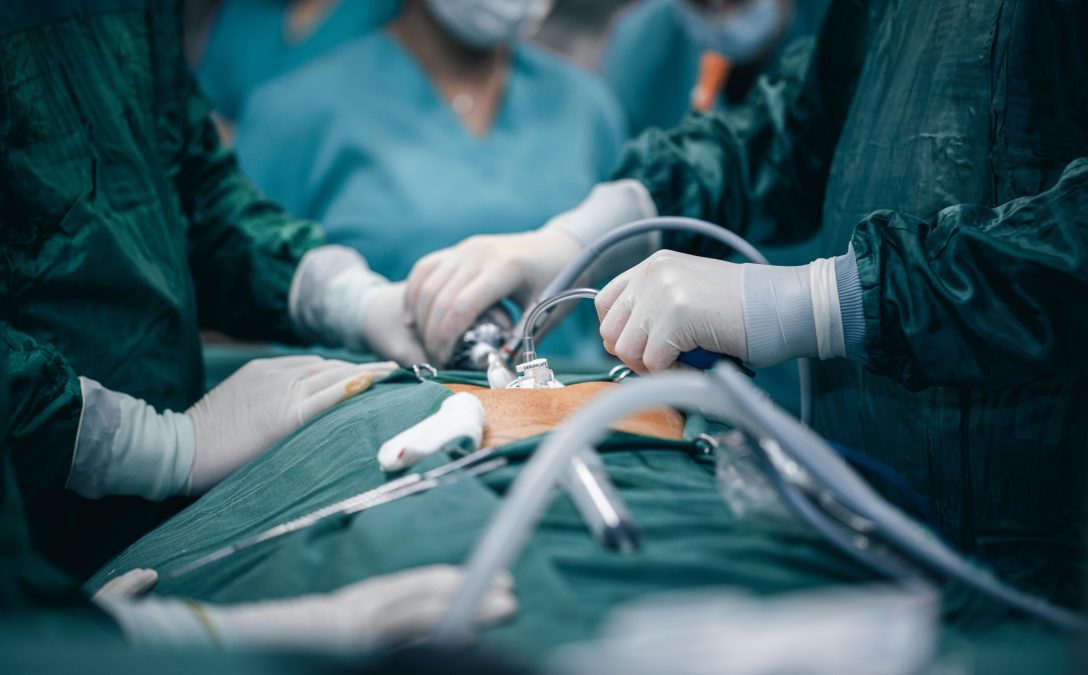
“If we talk about clitoral reconstruction, this is for patients that have been cut on the clitoris. And the surgery aims at removing the scar, and making the clitoris more accessible and more sensitive.”
In cases of infibulation, which is when a woman’s vulva has been closed, Abdulcadir described a procedure called deinfibulation, which allows surgeons to open up the scar.
“When the vulva is closed, there are major obstructive complications,” she explained. “It’s difficult to have penetrative sex, to deliver normally.
“Deinfibulation allows us to open the scar. We can also reconstruct the inner labia.”
All the girls were crying
Jamilla, not her real name, is one of Abdulcadir’s patients. She had FGM reconstruction surgery a little over a month ago.
Jamilla is still traumatised about what happened to her as a child in West Africa. Even now, more than 30 years later.
“Every girl who came in came out crying, screaming,” Jamilla told Sky News. “I didn’t want to go in, but they forced me, and when I went in, she cut me with a blade. I jumped from the pain. All the girls were crying. I didn’t want to, but they forced me.”
Trauma stays
Jamilla’s mother was against her daughter being cut, but was tricked by one of her father’s three wives. She was told she was going out to buy some sweets, but was instead forced into the cutter’s house, where she was brutalised.
“I was angry because I was just a child. She had already made the decision, but I was angry… furious with her. When I was growing up, she was always around, and I asked her this question: why? She said: ‘No, it’s our culture, we have to do that for the girls.’
“For me, honestly, it was exhausting. I didn’t want to have to heal from it. Afterwards, they said that after one or two weeks, they would have a celebration, but I wasn’t feeling well at all.
“Physically, mentally. I always think about it. It’s something that never leaves you. You think about it all the time.”