Advertisement
Smart recipe to follow in cooking the perfect pasta
08th November, 2025 02:00 PM
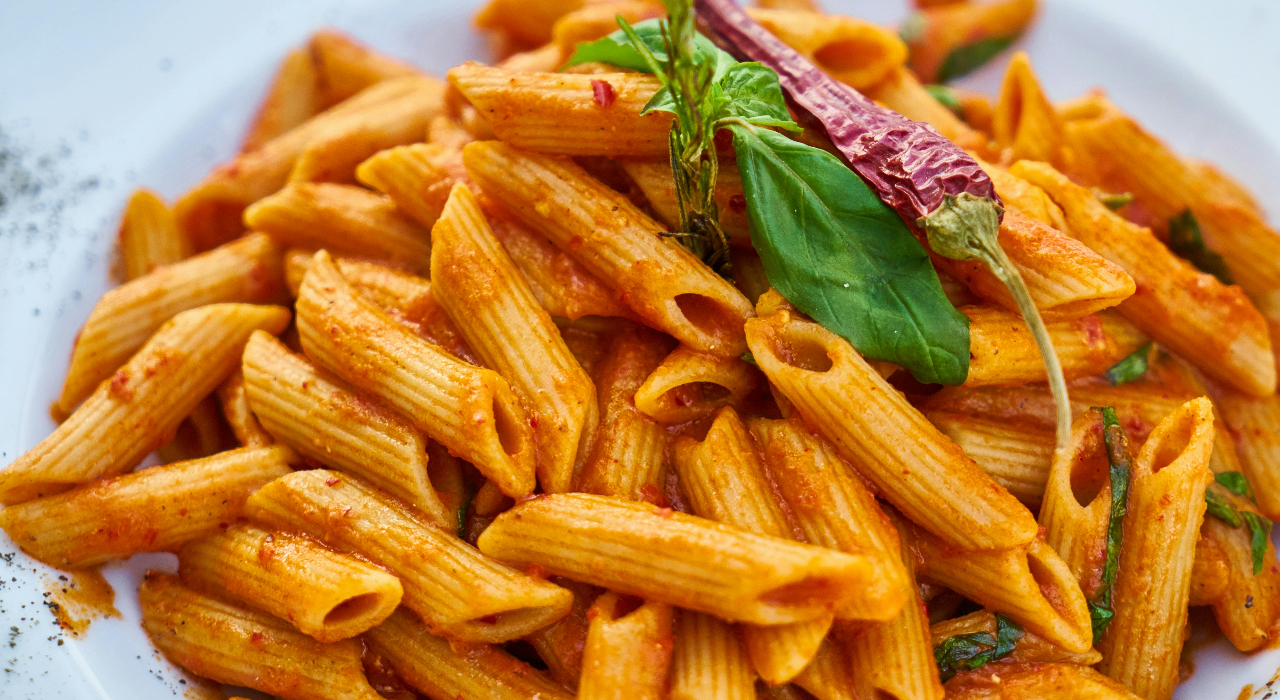
Whether you prefer your spaghetti al dente or soothingly soft, it can be difficult to achieve perfection at home.
Cooking the perfect pasta may seem simple, but it’s an art that requires just the right steps to achieve that ideal texture and flavour.
Whether you’re making a quick weekday meal or an elegant dinner, following a few smart techniques can make all the difference between soggy noodles and a perfectly al dente masterpiece.
So, how much water and salt do you really need, and how long do you cook it for if you want optimal results? What’s more, how should you amend your cooking process when using gluten-free pasta?
A recent study by Andrea Scotti, who is a Senior lecturer of Physical Chemistry at Lund University, provided answers by unveiling the physics behind the cooking process.
Also watch: What traditional Kenyan dish would you recommend every tourist try?
Power of gluten and salt
The study revealed that, in regular pasta, the gluten acts as a strong scaffold that holds starch granules in place even during boiling, giving the pasta its firmness and slow digestion rate.
Whereas in gluten-free pasta, the starch granules swell and collapse more easily, explaining the mushy texture and faster breakdown experienced when this kind of pasta is cooked in non-optimal conditions.
The researchers further probed into the effect of salt in the cooking water on the pasta structure and found that salt doesn’t just make pasta taste better; it also strongly affects the microstructure of the spaghetti.
When regular pasta is boiled in salted water, the gluten maintains its structure, and the starch granules are less deteriorated by the cooking process.
So how much salt should you add to preserve the pasta’s microscopic structure? The study revealed that the optimal salt level is seven grams per litre of water, with more water required for larger amounts of pasta.
Hence, the pasta should be cooked for ten or eleven minutes in the case of regular and gluten-free alternatives, respectively. In contrast, when the salt concentration was doubled, the internal order broke down more rapidly, and the structure within the starch granules was significantly altered by the cooking process.
Meanwhile, in gluten-free pasta, the story was different again due to the lack of protection of gluten. Even small amounts of salt couldn’t compensate for the absence of gluten.
The researchers further revealed that the artificial compounds of processed starches, used by companies to substitute the gluten, degrade fast. The most extreme example of this degradation occurred when the gluten-free spaghetti was cooked too long, for instance, for 13 instead of 11 minutes, and in very salty water.
The main finding was therefore that gluten-free pasta is structurally more fragile and less tolerant of being cooked both for too long and with the wrong amount of salt.