Advertisement
More than fat: Understanding man boobs
28th October, 2025 07:27 AM
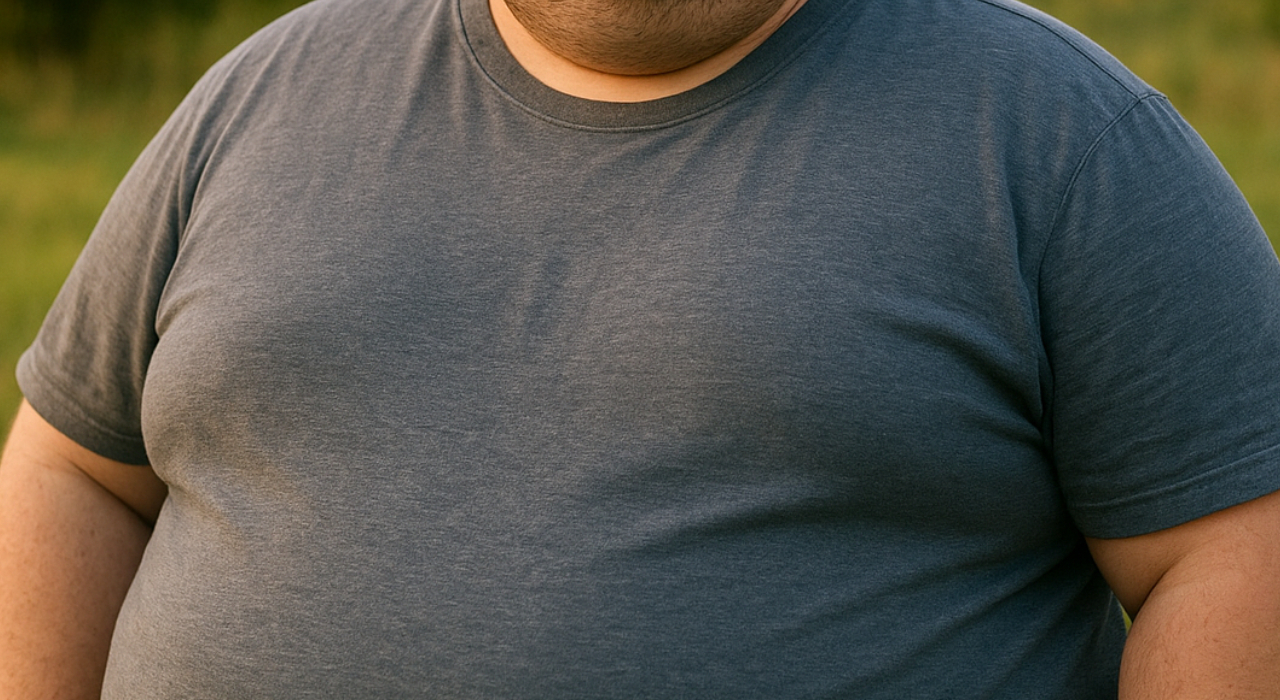
Breast changes in men are common. Sometimes it’s fat. Sometimes it’s breast tissue growth. Rarely, it’s cancer.
A concern male patients bring up in my office — sometimes joking, sometimes with embarrassment — is “man boobs.” For some men, chest enlargement is simply fat. For others, it’s gynecomastia, the medical term for breast tissue growth. In many cases, it’s both fat and tissue growth at the same time.
Gynecomastia is more common than many people realise. Research suggests that asymptomatic gynecomastia — growth without pain or tenderness — is present in 30 per cent to 50 per cent of healthy men. That means nearly half of men may experience some level of breast tissue enlargement at some point in their lives, even if they never notice it.
Breast anatomy and function
In both men and women, the breast is situated on top of the chest muscles and consists of two main components: fat and glandular tissue.
Fat gives the breast its size and shape; it’s soft and increases or decreases in response to weight changes. Glandular tissue — the part made of milk ducts and supportive structures — responds to hormones. In women, estrogen stimulates tissue growth during puberty and pregnancy. In men, testosterone maintains the tissue in a small and undeveloped state, but the structure remains intact: ducts, glands and a nipple.
This is why men can develop breast conditions, too, such as gynecomastia or, in rare cases, cancer. Understanding this mix of fat versus glandular tissue explains why “man boobs” can mean different things depending on what’s growing.
The fetus starts with a “female blueprint.” Nipples form before the Y chromosome signals the body to develop male features. By the time testosterone takes over, the nipples are already in place — a harmless evolutionary remnant indicating that males and females share the same breast structures, even though they stay mostly dormant in men.
It sounds like a myth, but under certain conditions, men can produce milk. Men have the same basic breast structures as women, including milk ducts and cells capable of producing milk. However, these cells are normally suppressed by testosterone and kept in check by the body’s overall hormone balance. Plus, men don’t have the hormonal surges of prolactin that stimulate milk production in women.
Certain medications that raise prolactin levels, pituitary disorders, chronic liver disease or hormone therapy for prostate cancer can occasionally turn those cells on. The result is galactorrhea, or unexpected milk production. It’s rare and usually harmless, but it’s worth having checked by your doctor if it happens, especially if the discharge is persistent or bloody.
Psychological effects
For many men, gynecomastia affects confidence, posture and even social behaviour. Some men avoid the gym or the beach altogether, wear baggy shirts year-round or feel anxious about intimacy. I remind patients that this condition is common and talking about it isn’t vanity — it’s healthy.
For teenagers, reassurance and patience are often best since most pubertal gynecomastia resolves naturally. For adults, the focus should be on understanding the cause, addressing it and finding the right mix of medical, surgical and lifestyle strategies.
When to see a doctor
About 1 per cent of all breast cancers occur in men. That’s why any new lump or change in the chest deserves medical attention. But the reality is, most men who notice breast changes aren’t dealing with cancer at all.
Most chest fullness in men is harmless, but certain warning signs should never be ignored. A hard lump that feels fixed in place, one-sided breast growth, nipple discharge or rapid enlargement all need to be checked by a physician to rule out breast cancer. Persistent or painful gynecomastia, or changes that cause significant distress, also warrant evaluation.
Treatment options
Treatment depends on the cause. If a new medication is to blame, switching drugs can sometimes help. If it’s related to substances, cutting back on alcohol, marijuana, or steroids may make a difference — although tissue that’s been there for years may not fully regress.
For men carrying extra weight, slimming down can help tremendously. Pseudogynecomastia often shrinks with fat loss. Even when true breast tissue is involved, lowering body fat reduces estrogen levels that can worsen the issue. Weight training to build chest muscle can also reshape the area and improve confidence.
Some men believe they can “work off” gynecomastia with pushups or bench presses. Building muscle helps burn fat and improve chest contour, but it doesn’t shrink glandular tissue. If the problem is true gynecomastia, no workout can make the growth disappear completely — and that’s when it’s worth seeing a doctor to take a deeper dive into the cause.
When breast tissue doesn’t go away, surgery is an option. Breast reduction — one of the most common cosmetic procedures for men — removes glandular tissue and contours the chest for a more masculine shape. Not everyone wants or needs surgery, though. Compression garments or shapewear can flatten the chest and boost confidence.
For men with confirmed low testosterone, hormone replacement therapy can sometimes help restore balance and reduce breast tenderness. But it’s not a universal solution. In men with normal testosterone levels, extra hormone therapy can worsen the problem by converting to estrogen, which stimulates breast tissue growth. That’s why testosterone replacement therapy should be used only under a doctor’s supervision after proper testing — not as a self-prescribed fix.