Advertisement
Why walking is becoming the new favourite workout for busy young professionals
13th August, 2026 12:46 AM
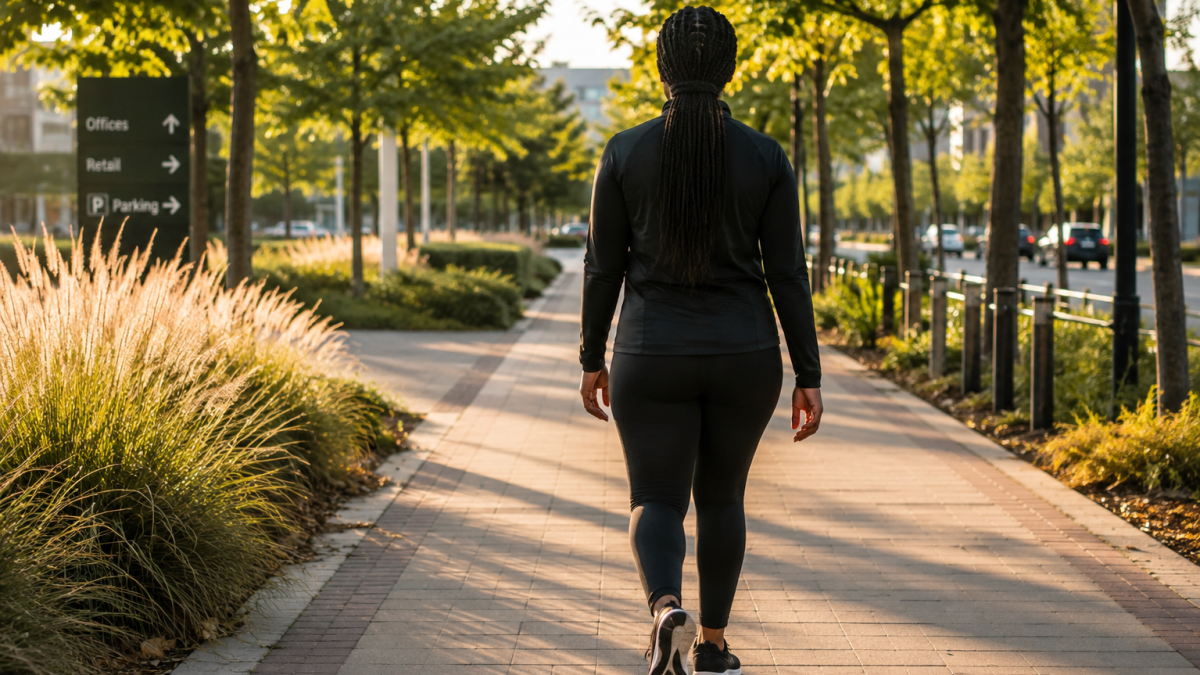
Forget the treadmill, the burpees and the guilt of paying for a gym membership you barely use. Walking is having its main-character moment. For busy young professionals juggling work, traffic, social plans and the occasional attempt at cooking, putting one foot in front of the other is proving to be one of the easiest ways to stay active.
Walking may look too ordinary to qualify as a fitness trend, but that is exactly its charm. It fits into everyday life, costs almost nothing and does not leave you negotiating with yourself for three days after leg day.
Desk jobs are pushing people to walk
For many young professionals, the workday has become a long relationship with a chair. Hours disappear between emails, meetings, spreadsheets and phone calls, with very little movement in between. Even people who consider themselves active can spend most of their working day sitting.
This is one reason walking has become an attractive form of exercise. It does not require a large block of free time or a complicated routine. A brisk walk before work, during lunch or after leaving the office can add movement to a day that would otherwise involve little more than moving between a desk, a car and the sofa.
Brisk walking also counts as moderate-intensity physical activity. Current US physical activity guidelines recommend between 150 and 300 minutes of moderate activity a week for adults, while emphasising that some physical activity is better than none.
That makes walking particularly appealing to professionals who struggle to squeeze traditional workouts into their schedules.
Step counting changes the game
The smartphone has done something rather funny to walking. It has taken an activity humans have been doing since, well, forever and turned it into a number that people check several times a day.
Step-counting apps and smartwatches now monitor how far people walk, how many steps they take, how active they have been and, in some cases, how their activity compares with friends.
A person who might never describe themselves as a fitness enthusiast can suddenly become very invested in reaching a particular number before bedtime.
The technology also gives people something visible to work towards. Instead of vaguely thinking, “I should exercise more,” they can see that they have walked 4,200 steps and decide to take another walk.
Sometimes a little number on a screen is all the motivation required.
Walking apps make exercise fun
The next stage of the walking trend has been gamification.
Fitness apps increasingly use challenges, rankings, badges, streaks and competitions to make physical activity more entertaining. Instead of simply recording steps, users can compete with friends, colleagues or strangers.
Research into walking competitions has found that these challenges can increase physical activity, with one large study reporting a 23 percent increase in activity among participants during competitions.
That competitive element can be surprisingly powerful. Nobody wants to discover that their colleague, who spent the entire day complaining about being busy, somehow managed to walk 13,000 steps.
Some apps have even attached financial incentives to walking, giving users another reason to get off the sofa and keep moving.
The walking app has therefore become more than a pedometer. It can act as a scoreboard, coach, reminder and occasionally a source of friendly workplace rivalry.
Forget the 10,000-step obsession
Walking culture has also been closely associated with the famous 10,000-step target. It has become almost a fitness superstition, with people treating the number as though something extraordinary happens when the counter moves from 9,999 to 10,000.
But reaching 10,000 steps is not a requirement for being healthy.
The more useful idea is simply to increase movement from your own starting point. Someone who normally takes 3,000 steps and begins taking 5,000 is becoming more active, even if their smartwatch never gets anywhere near five digits.
This is part of what makes walking attractive. It can be adjusted to different fitness levels without turning every session into a battle.
Walking is becoming social
Another reason walking is finding a new audience is that it does not always feel like exercise.
Friends can walk while catching up. Couples can go for evening walks instead of spending every date sitting across a restaurant table. Colleagues can walk while discussing work. Some people listen to podcasts, music or audiobooks while they move.
Walking therefore occupies an unusual space between fitness and leisure. It can be a workout, but it can also be the time when someone finally listens to the podcast they have been saving all week.
For young professionals, that flexibility matters. Exercise no longer has to mean setting aside an isolated hour and putting everything else on hold.